Read More





The Death of Late Night? What Colbert’s Final Bow on May 21 Means for TV
18-05-2026 21:09 HKT


ImmD crackdown targets moonlighting domestic helpers arresting 17
19-05-2026 17:52 HKT
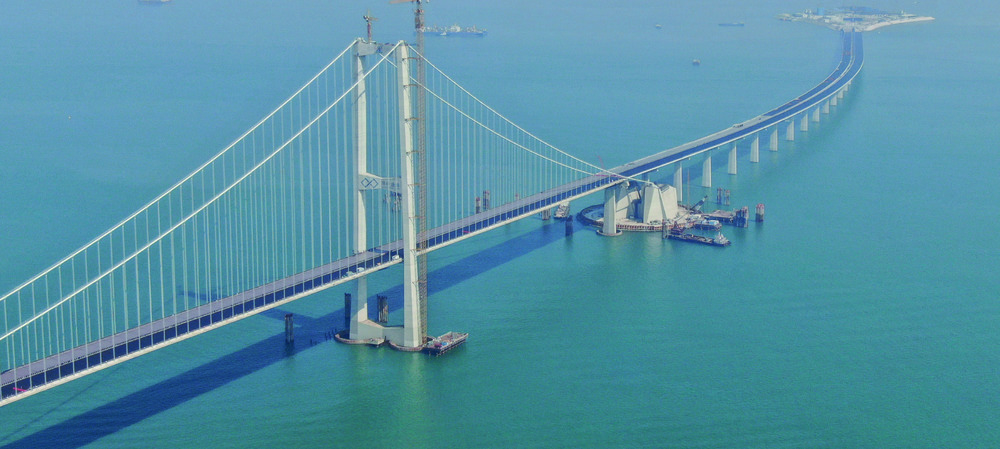
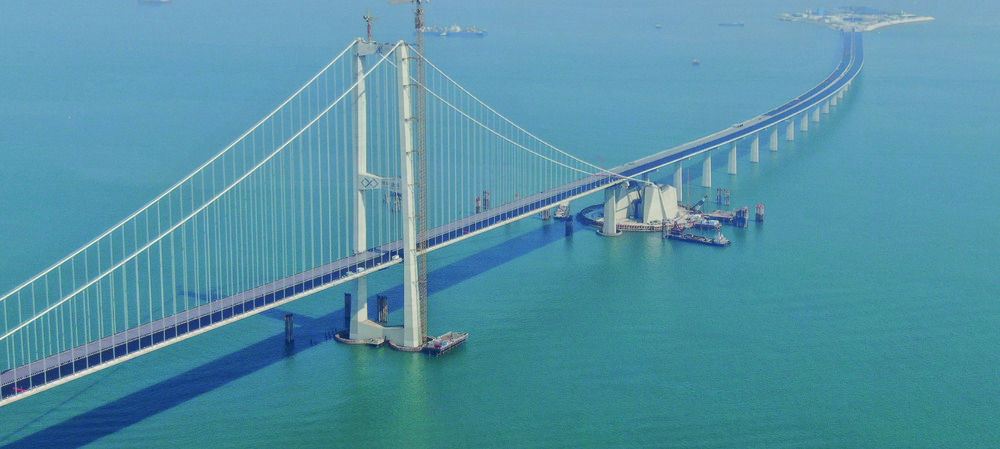
As the core of the transportation hub in the Guangdong-Hong Kong-Macao Greater Bay Area across the central part of the Pearl River Delta, the Shenzhen Zhongshan Corridor aims to relieve congestion on the Humen Bridge, presently the vital link from Shenzhen to northern Zhongshan.
It will be an important complement to the Hong Kong Zhuhai Macau Bridge and will significantly shorten journey times to various southwestern parts of the Greater Bay Area, especially for those travelling from Shenzhen airport onto Zhongshan, Nansha and Hengqin.
The 24-km crossing comprises the Lingdingyang Bridge, a suspension bridge which spans 1,666 meters, a 580m cable stay bridge and a 6,845m extra-wide immersed tube tunnel, which allows three separate river passages for vessels of up to 200,000 tonnes.
This crossing is essentially an eight-lane highway that has been designed to handle the huge volume of traffic generated from the fast-growing economy in the Greater Bay Area for the next decade.
The bridges and tunnel are world-class projects and push the limits of technology with their wide spans and long lengths.
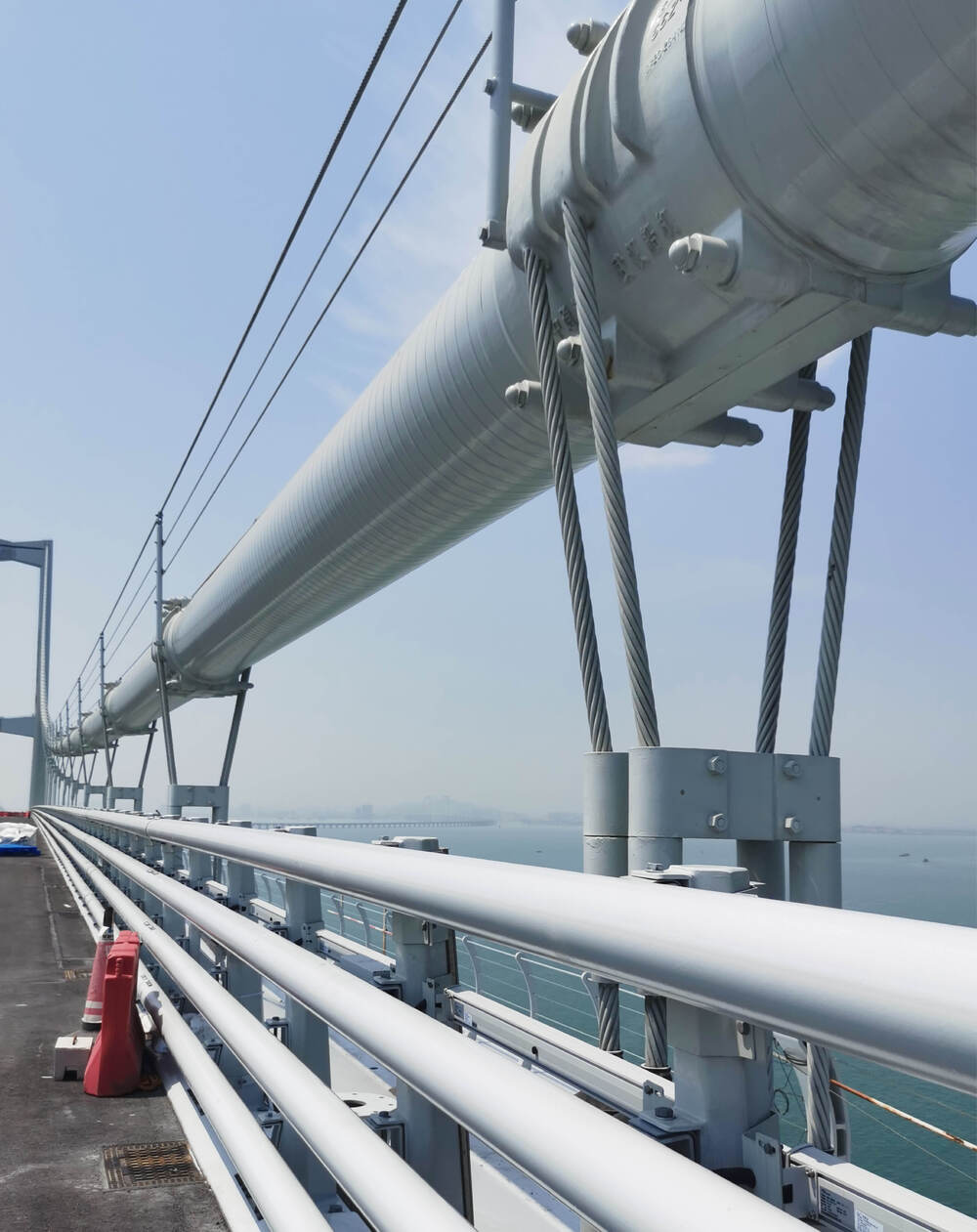
The main suspension cable of the Lingdingyang Bridge has more than 12,000 strands of steel wire and an overall diameter of over 1m.
A special wrapping layer will be applied to the cable to provide additional protection in case of fire, in anticipation of increased risks due to the increasing number of electric vehicles travelling on the bridge.
Fenders are constructed at sea level of the bridge tower to protect it from damage in the remote event of any collision from ships.
The immersed tube tunnel is of steel-cased concrete construction.
The steel casing provides the essential structural strength and the cover for the concrete materials for lowest total weight to save material costs and construction time.
WORLD FIRST
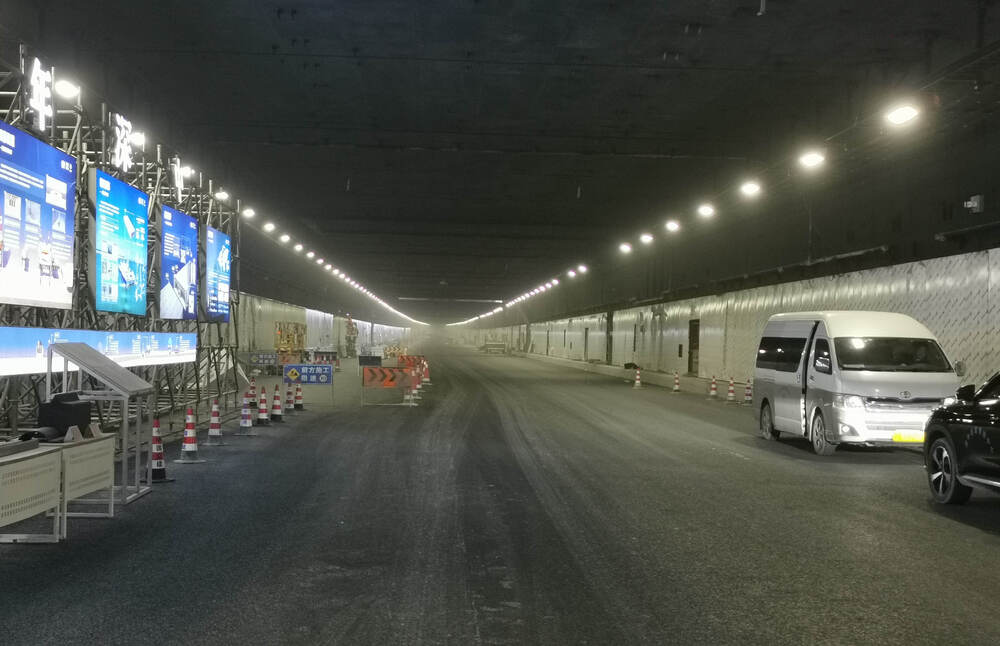
This application for immersed tube tunnel construction method is the first in the world, especially for tunnel spans with four lanes each way and a central utility duct with a total width of 46m for the main passage, expanded to 70m for the section with 12 lanes at the tunnel's exit.
The tunnel base rests on the riverbed at a depth of 38m to allow clear passage for river vessels with a draught of up to 23m.
Cathodic protection devices aim to eliminate corrosion of the steel's surface and maintain the robustness of the structure throughout its many, many years of service.
The 5.1m-high ceiling within the tunnel allows jet fans to be installed to provide longitudinal ventilation for normal operations.
In the unlikely event of a fire, transverse ducts fitted to the ceiling of the tunnel box at every 160m will allow effective smoke extraction into the central vent ducts.
The utility tunnel accommodates the power and signalling cables, besides acting as a safe evacuating pathway for passengers to the adjacent tunnel box in the event of a severe incident.
Purpose-designed barges, capable of lifting 3,200 tonnes, were built to launch the huge immersed tube sections in the prescribed alignment in the riverbed.
To avoid risks of subsidence of the soft river silt, deep cement mixing method provides a robust foundation to bear the weight of the tunnel together with the heavy traffic.
Other innovative technology includes the use of 3-D printing gravel laying machines to lay gravel to high accuracy of flatness for the riverbed foundation.
The project is nearing completion and should be ready for traffic later in the year, providing a vital link to the huge network of highways in the region. It will significantly alleviate traffic congestion occasionally seen on the Humen Bridge, and facilitate one-hour access to most places in the region.
Transport infrastructure is the main backbone for economic development for any region, and it is gratifying to see our mother country has the essential resources, both technical and financial, to effectively connect major nodes in the region.
Innovative technology not only helps speed up construction and reduce costs, it also ensures total safety to users for many years of use and enjoyment.