Digital nomads are on the rise.
In 1997, Digital Nomad was the title of a visionary book by Tsugio Makimoto and David Manners about how technology allows for a return by societies to a nomadic lifestyle and leads to a new community of itinerant remote workers.
Ordinarily the location of one's job determines where you live.
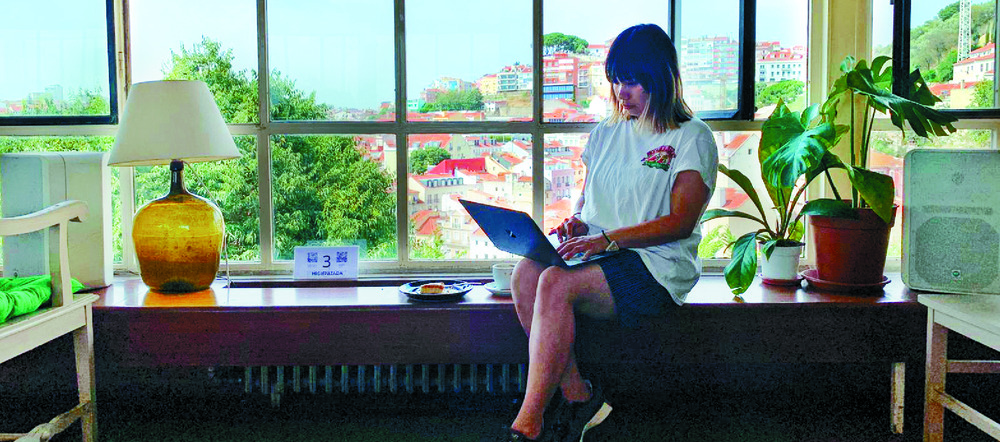
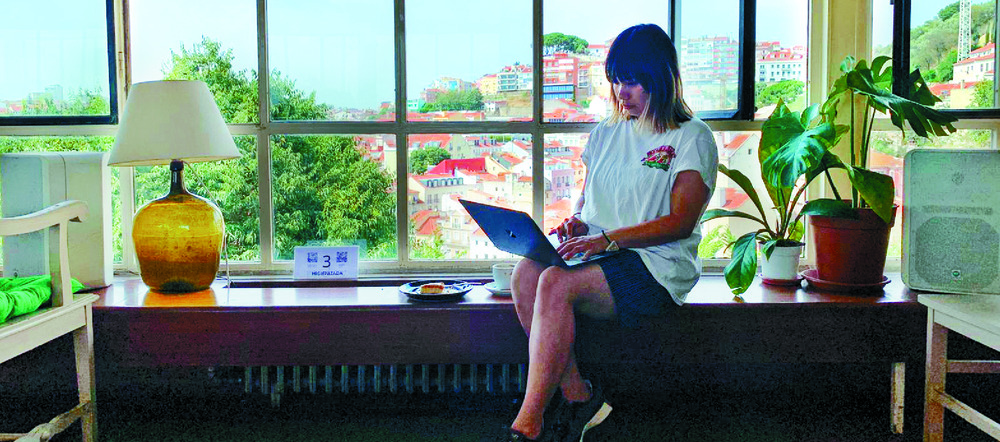
Digital nomads work flexibly from anywhere with reliable internet access through Wi-Fi or mobile hotspots.
The wandering lifestyle appeals particularly to young freelancers, entrepreneurs and remote workers seeking adventure, autonomy and a good work-life balance.
There are over 35 million globetrotters from various nationalities and they create considerable global economic value of more than US$787 billion (HK$6.13 trillion) in 2022, according to a study by A Brother Abroad, a platform for sharing travel stories and inspiring others to embark on their own adventures.
If the global digital nomad community were a country, it would rank 41st after Canada and Morocco in population size and be the 38th most prosperous country, after Portugal and Saudi Arabia, based on gross national income per capita.
There are three key reasons for why the number of digital nomads are on the rise.
First, a pursuit of work-life balance.
Millennials and Gen Zers prioritize balance and seek meaningful experiences beyond work, whether it's hiking a mountain, learning a new skill, or savoring an authentic local cuisine. They also look for flexibility, variety and freedom to travel while maintaining a career.
Digital nomads create their own flexible schedule and decide when to work, whether they be early birds or night owls.
They prefer contract assignments that bring new projects, new clients and often new locations, as freelancing embodies the saying that "variety is the spice of life."
They advocate the freedom to choose where they work by leveraging technology and setting up office anywhere.
Employers recognize that young employees want the opportunity to live anywhere, and some organizations are switching to permanent flexible work arrangements. For instance, companies like Airbnb and 3M are now adopting flexible work models and offering work-from-anywhere options to recruit and retain talents.
Second, an offer of digital nomad visas.
Many young people are passionate about exploring the world. The digital nomad lifestyle allows them to combine work with travel and adventure.
Living in different places exposes digital nomads to diverse cultures, languages and traditions. They relish the opportunity to fully immerse themselves in local life.
The interest in location-independent lifestyles has led to an increase in digital nomad visas. According to RemotePad, a hiring company, more than 50 countries around the world offer some form of a digital nomad visa as of this month.
For example, the Philippines, Thailand and Indonesia have implemented regulations that allow digital nomads to stay for extended periods. At the beginning of the year, Japan and South Korea joined their neighbors in releasing such a visa that allows visitors to stay for up to six months and two years respectively.
Third, a trend spurred by the pandemic.
Covid-19 has prompted more people to choose a location-independent, technology-enabled lifestyle that allows them to travel and work remotely.
Digital nomads want to be their own bosses, avoid office politics and reduce stress. They set their hours and spend time with people they enjoy or relish solitude.
Their families are also embracing the lifestyle because of the benefit of giving their children heightened cultural awareness along with a diverse range of learning experiences.
Digital nomadism with a surfboard under one arm and a laptop under the other is no longer a fantasy but a real trend, and its popularity can only continue to grow.
Dr Jolly Wong is a policy fellow at the Centre for Science and Policy, University of Cambridge