Read More









The Death of Late Night? What Colbert’s Final Bow on May 21 Means for TV
18-05-2026 21:09 HKT



HK movie producer Raymond Wong Pak-ming convicted of insider dealing
22-05-2026 17:10 HKT



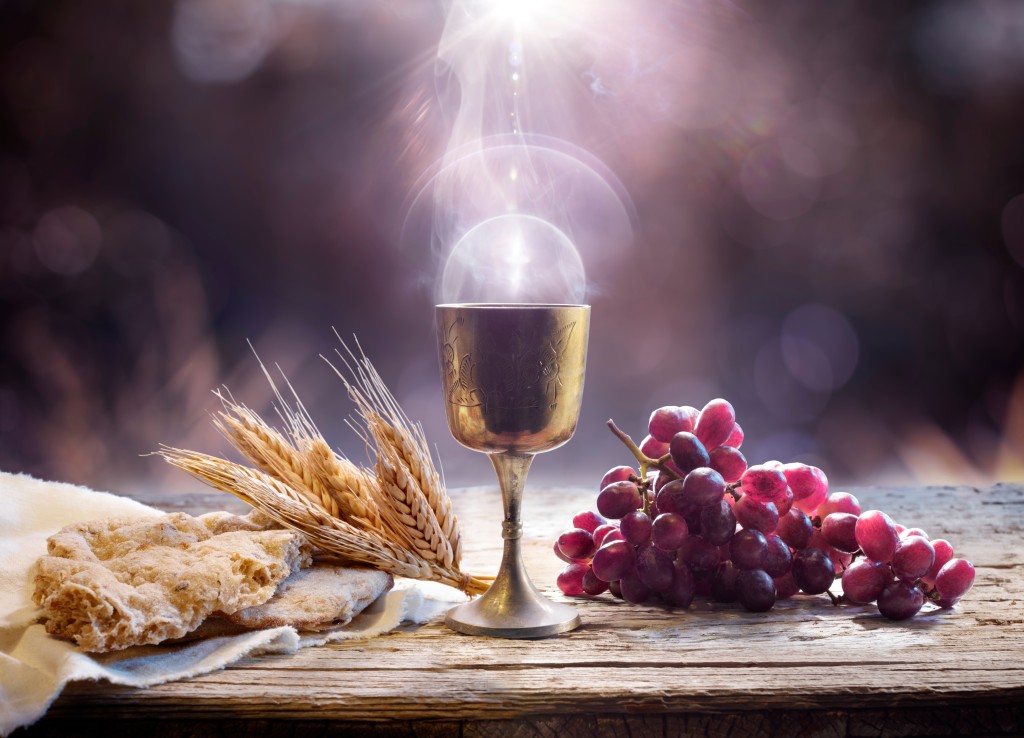
We often see wine pairing recommendations for holiday seasons such as Christmas, Lunar New Year, and Mid-Autumn Festival. Is there a “go-to wine” for Easter? With the relatively small selection of signature food items other than Easter Chocolate Eggs and the Italian Colomba di Pasqua, it is not common to identify a special wine for the Holy Week.
Here are some interesting options that suit the theme:
Prie Blanc: Prie Blanc is one of the oldest documented grape varieties in Valle d’Aosta of Northwest Italy. Prier means “to pray” in French, and the name refers to its usage in Sunday Mass. The white grape variety has a remarkable ability to withstand the Alpine cold and is grown in some of the highest vineyards in Europe – 800-1000 meters above sea level.
With its bright acidity, floral characters, and elegant herbal touches of thyme and mint, Prie Blanc is highly versatile and can be made as still white, sparkling, and also sweet wines. The best examples come from Ermes Pavese and Cave Mont Blanc de Morgex et La Salle.
Sagrantino: Also from Italy, Sagrantino is a black grape variety native to the central part of the country. The prefix “sagra” suggests a sweet wine drunk during festive occasions, while “sacrestia” refers to the room inside a church where priests prepare for Mass, including the wine served during the liturgical service.
Although the Umbrian grape is known to produce some of the most tannic red wines, Montefalco Sagrantino DOC was designated only for the sweet version when the denomination was established in 1977. The tannins of Sagrantino are sleek and polished, and allow the variety to generate very long-living wines.
Vinsanto/Vin Santo/Vino Santo: Even though they all literally translate to “Holy Wine,” this trio stands for three distinct sweet wines using different grape varieties from various regions.
The Greek Vinsanto is primarily made with the indigenous white grape Assyrtiko in Santorini, where the grapes are sun-dried for 1.5 to two weeks to concentrate sugar and flavor.
On the other hand, the Italian Tuscan Vin Santo can use a wide range of varieties, including Malvasia Bianca Lunga and Trebbiano Toscano. If more than 50 percent of the blend comes from Tuscany’s emblematic black grape Sangiovese, the wine earns the special name of Vin Santo Occhio di Pernice.
Finally, Trentino Vino Santo from Northern Italy requires a minimum of 85 percent of the white grape Nosiola and has the most stringent production protocols. The grapes first go through a lengthy five to six months of air-drying, which results in 50 percent of weight loss. The highly concentrated berries are then fermented for two to three years, until the alcohol level reaches 12 to 13 percent. Before release, the wine needs to be aged for at least three more years to render an unctuously sweet and complex wine with characters of tropical fruit jelly, almond paste, and candied pineapple.

Alice Wong is a certified wine educator based in Hong Kong