The dwellers of Mesopotamia journeyed from prehistoric epochs into the dawn of civilization in the twilight of the fourth millennium BC. It was then that mankind began to gaze upon this vast, wondrous cosmos, pondering the essence of this newfound life, its profound meanings, and its ultimate worth.
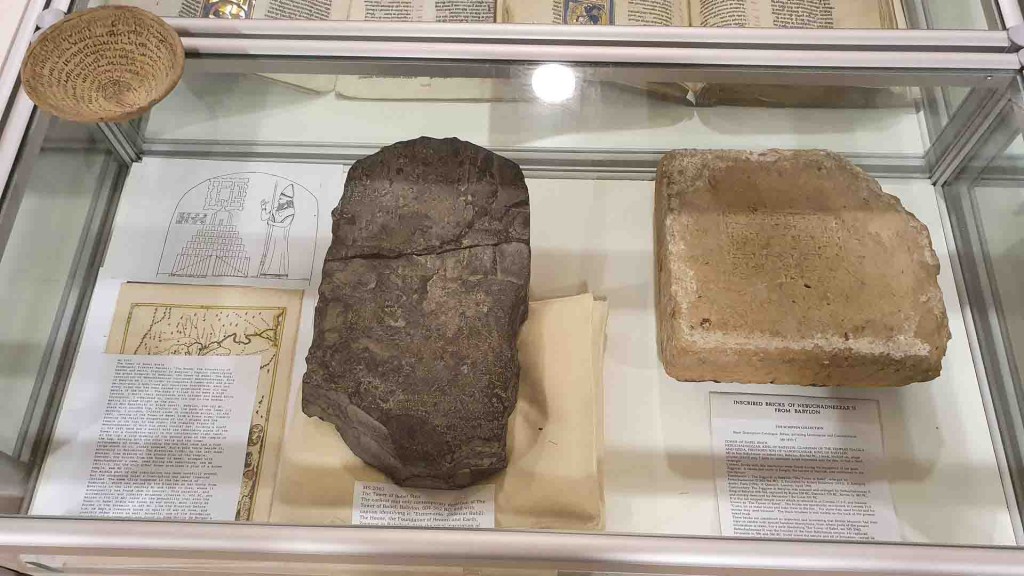
Scholars enshrine The Epic of Gilgamesh, often heralded as the Odyssey of ancient Iraq, among the most paramount masterpieces of global literature. It stands as the most ancient surviving heroic epic. Though inscribed 4,000 years ago in Akkadian cuneiform, with echoes originating from even older ages, it remains an immortal masterpiece.
The most complete rendition of this epic was etched upon 12 clay tablets dating back to the seventh century BC, unearthed in the grand library of King Ashurbanipal in the Assyrian capital of Nineveh. Here, across four weekly episodes, we present a recounting of this timeless saga.
The epic commences with Gilgamesh, the mighty sovereign of the great city of Uruk, whose valor surpassed all other kings: “Gilgamesh, who saw the Deep, the country’s foundation, who knew, was wise in all matters!” Yet, he wearied his people with ceaseless wars and endless toils that burdened his subjects. The oppressed populace raised their grievances to Uruk’s supreme deity, Anu. Heeding their laments, the mother goddess Aruru forged an equal to Gilgamesh in might: Enkidu. Molded from clay, he took the form of a wild beast cloaked in hair, with flowing tresses dancing like golden wheat.
Untamed and a stranger to men, Enkidu roamed with gazelles, grazing upon grass and jostling with wild predators at the watering holes.
One fateful day, a hunter laid eyes upon Enkidu by the water’s edge. Terrified, he recounted to his father the tale of this creature who robbed his catch by dismantling snares and liberating the beasts. The wise father counseled his son to seek King Gilgamesh for aid. To be continued.
Amjad Refai is the director of Arabic Programme at the University of Hong Kong.