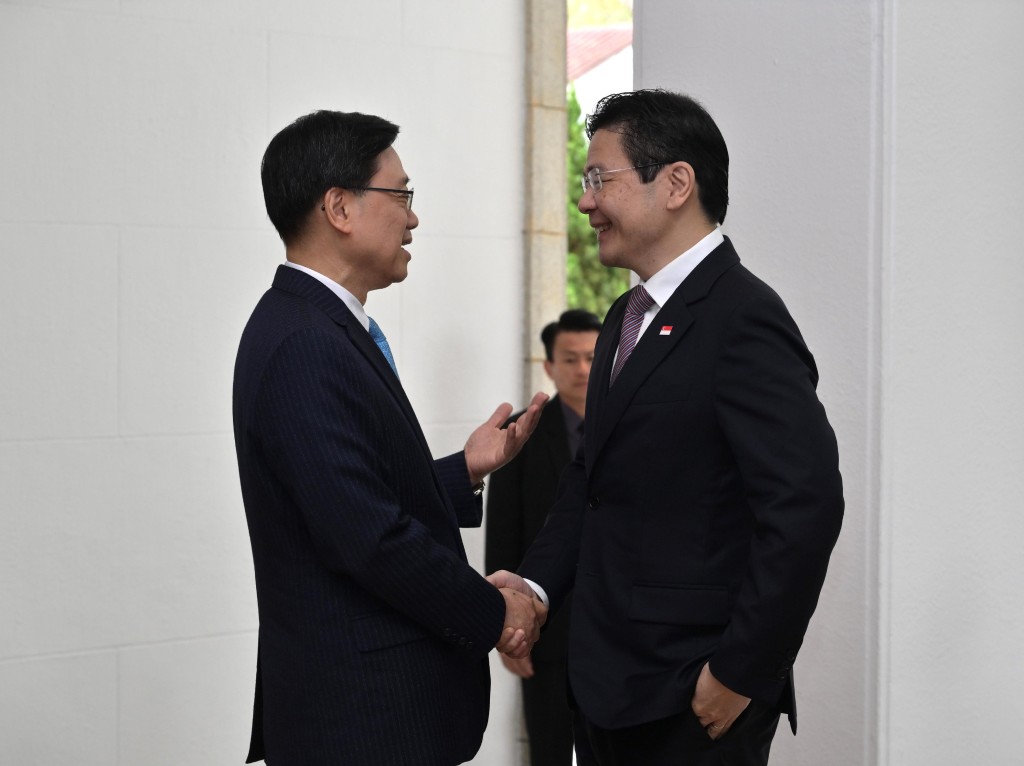
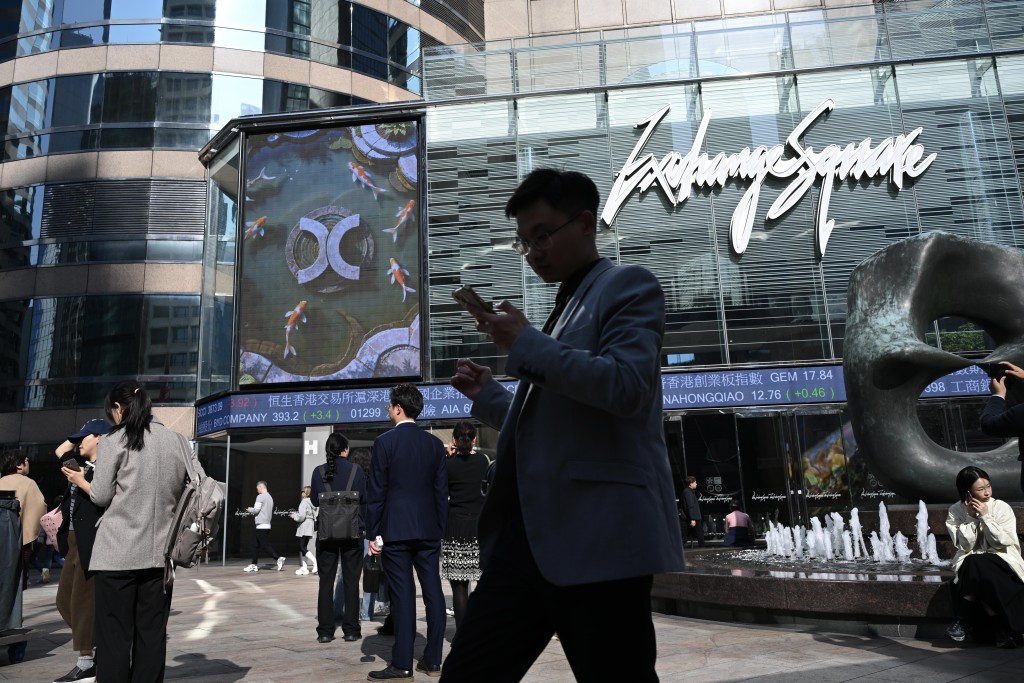
When Singapore Prime Minister Lawrence Wong visited Hong Kong from 26 to 28 March 2026, the optics were familiar. For decades, Singapore and Hong Kong SAR have been cast as rivals, two highly developed Asian hubs competing for capital, talent and global relevance.
The significance of this visit lies not in rivalry, but in recognition. Both Singapore and Hong Kong SAR are products of similar constraints, guided by comparable policy philosophies, and increasingly positioned within a shared regional future shaped by Asia’s continued rise.
Parallel systems shaped by necessity
Singapore and Hong Kong SAR have evolved under remarkably similar structural conditions. Both are small, land-scarce, trade-dependent economies without natural resources. Both rely on openness, connectivity and institutional strength to sustain growth.
These shared constraints have led to closely aligned policy approaches.
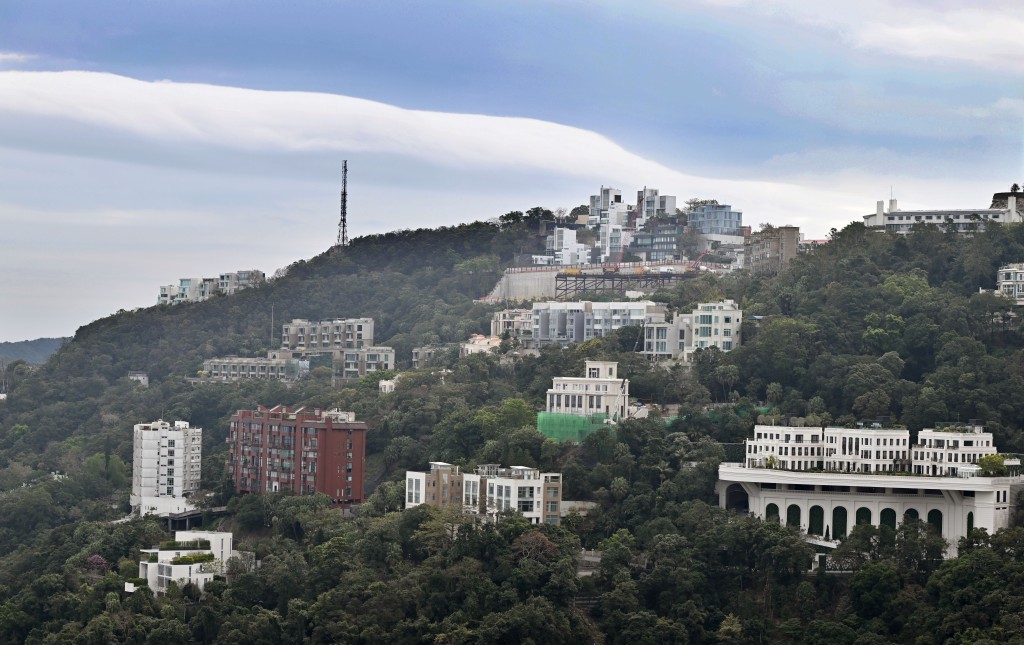
Housing policy illustrates this clearly. Singapore’s Housing & Development Board has delivered large-scale, high-density public housing, anchoring social stability through widespread home ownership. Hong Kong SAR’s Hong Kong Housing Authority plays a parallel role, managing extensive public housing programmes that support a significant proportion of residents.
Transport systems reveal similar priorities. Singapore’s Mass Rapid Transit and Hong Kong SAR’s MTR are among the most efficient and reliable urban rail networks globally. Both are designed as integrated systems that underpin economic productivity and urban mobility. Singapore’s continued expansion of its MRT network has further enhanced connectivity, achieving a level of coverage and integration comparable with leading global benchmarks.
These similarities are not coincidental. They reflect a shared commitment to long-term planning, strong institutions and policy continuity. Both governments have consistently prioritised infrastructure, housing and governance as foundational pillars of development.
Competition as a source of strength
Competition between Singapore and Hong Kong SAR has long been a defining feature of their relationship. Yet this competition has rarely been destructive. Instead, it has functioned as a source of discipline and improvement.
Each city has observed and learned from the other. Policy refinements in finance, urban planning and regulatory governance have often emerged through this process of comparison. The result has been a steady elevation of standards in both jurisdictions.
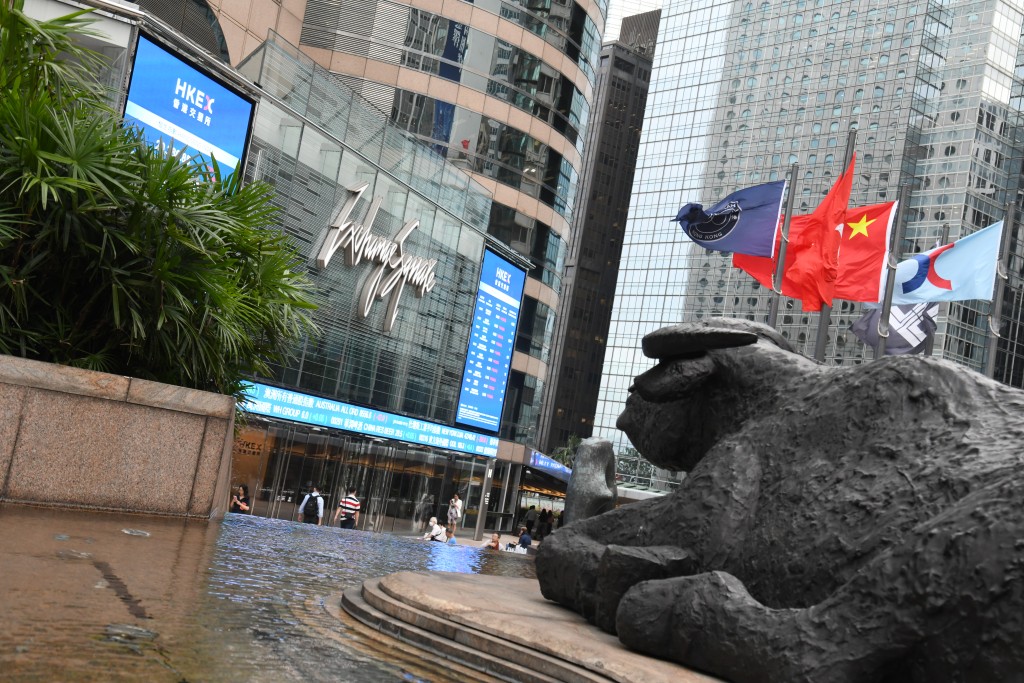
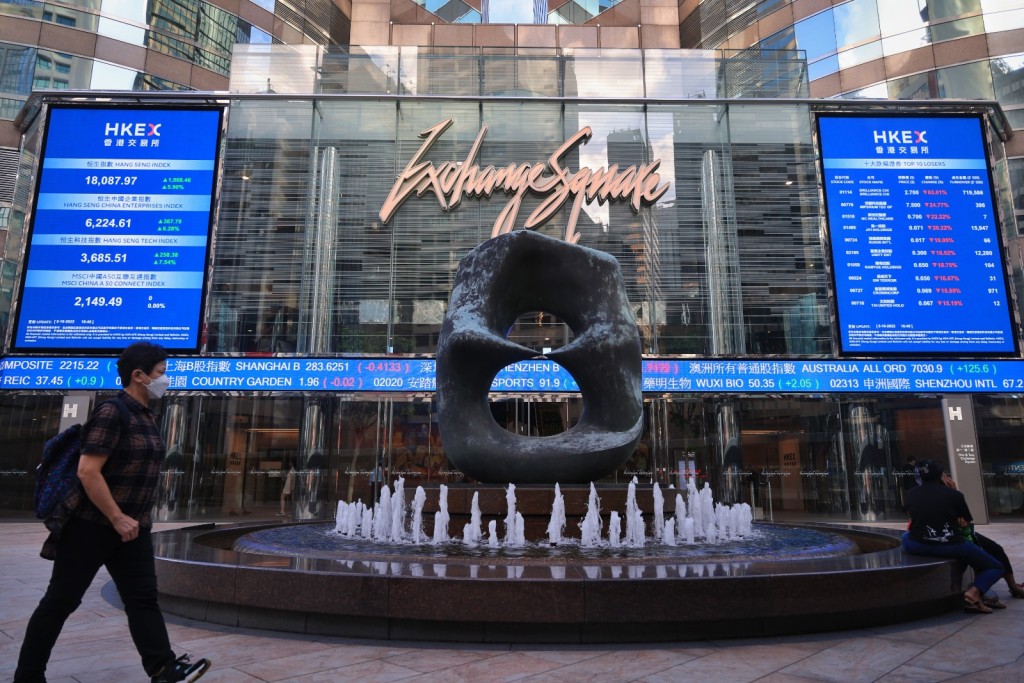
Financial systems in both Singapore and Hong Kong SAR remain trusted and globally connected. Legal and regulatory frameworks continue to provide predictability and confidence. Public infrastructure remains among the best in the world.
This form of competition, grounded in mutual respect and policy learning, has strengthened both cities. It has ensured that neither becomes complacent, while allowing both to maintain a high level of institutional quality.
Complementary roles within China and Asia
The broader significance of the visit lies in how it reflects the evolving regional context. Asia’s growth is increasingly shaped by interconnected networks, with China playing a central role in the global economy.
Within this framework, Hong Kong SAR occupies a unique position. Under the “one country, two systems” principle, it serves as a vital bridge between mainland China and global markets. Its financial system, legal infrastructure and international connectivity continue to facilitate cross-border flows of capital, expertise and opportunity.
Singapore, in turn, plays a complementary role. It is deeply integrated with Southeast Asia and serves as a key gateway to ASEAN economies. Its position enables global businesses to access one of the most dynamic growth regions in the world.
Together, these roles form a coherent regional architecture. Hong Kong SAR connects global capital to China. Singapore connects global capital to Southeast Asia. Both operate within a broader Asian ecosystem that is becoming more interconnected and more influential.
PM Wong’s visit reflects a clear appreciation of this landscape. Engagement between Singapore and Hong Kong SAR is not about redefining competition, but about recognising how each contributes to Asia’s continued development.
Shared challenges, aligned responses
Singapore and Hong Kong SAR also face similar challenges as they look ahead.
Both must manage high-density urban environments while maintaining quality of life. Both are adapting to demographic changes, including ageing populations. Both are strengthening their positions in emerging sectors such as financial technology, digital innovation and green finance.
Their responses continue to reflect familiar principles. Policymaking remains pragmatic and forward-looking. Institutional stability is preserved while allowing for gradual adaptation. Infrastructure investment remains central to long-term strategy.
These shared approaches have enabled both cities to remain resilient amid global uncertainty. They have navigated economic cycles, technological shifts and geopolitical changes while maintaining confidence among investors and citizens alike.
A shared model of governance and development
At a deeper level, Singapore and Hong Kong SAR are linked by a common philosophy of governance.
Both have demonstrated the effectiveness of a model that combines openness with stability, market dynamism with strategic state involvement, and adaptability with institutional continuity. This model has allowed both to achieve sustained growth while maintaining social order and economic competitiveness.
Hong Kong SAR’s development under China’s sovereign framework continues to reflect its distinctive role as an international financial centre. Singapore’s trajectory similarly reflects a consistent emphasis on good governance, rule of law and long-term planning.
These are not identical systems, but they are closely aligned in spirit. Both emphasise pragmatism, competence and resilience.
Beyond rivalry, towards shared relevance
It is natural for observers to compare Singapore and Hong Kong SAR. Both are leading global cities, and both have achieved remarkable success under conditions of constraint.
Yet the more important question today is not which city leads. It is whether both can remain relevant in a rapidly changing world.
Asia’s future will not be defined by a single hub. It will be shaped by a network of interconnected cities, each contributing distinct strengths. Within this network, Singapore and Hong Kong SAR are well positioned as complementary pillars.
Their similarities, once seen primarily through the lens of competition, now underscore a deeper alignment. Both understand the importance of openness, connectivity and adaptability. Both continue to refine their systems in response to new challenges. Both remain committed to long-term development grounded in strong institutions.
PM Wong’s visit is therefore best understood as a reaffirmation of continuity. It reflects an enduring relationship built on shared principles, mutual respect and a common interest in Asia’s continued progress.
Ben Chester Cheong is a law lecturer and MOE-Start scholar at the Singapore University of Social Sciences. He is also an associate academic fellow at the NUS Asia-Pacific Centre for Environmental Law.