We often say the future for our next generation will be in the Greater Bay Area, but seeing is believing.
I joined a delegation of young mechanical engineers to visit companies in Shenzhen to see how it has developed into a world-class modern city with the latest technology and came back most impressed.
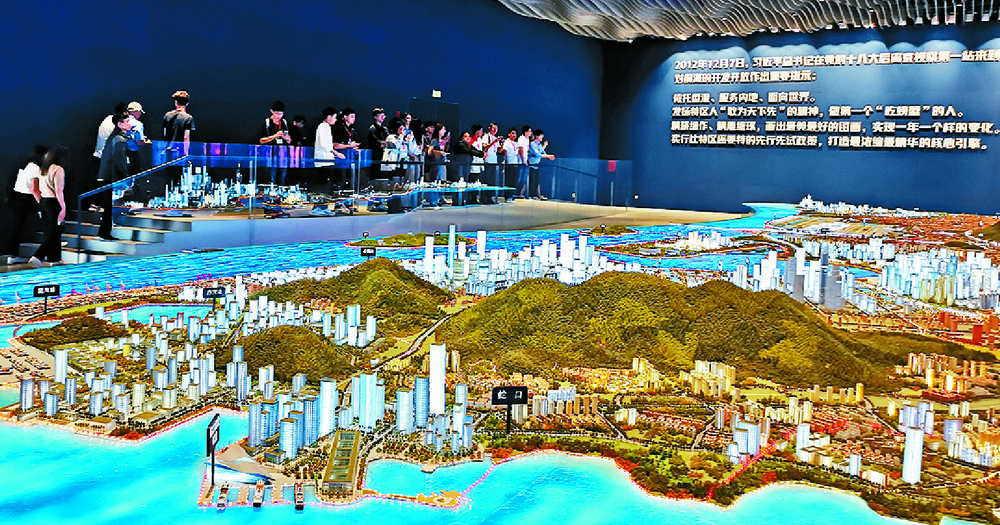
One such organization was Qianhai Shenzhen - Hong Kong Youth Innovation and Entrepreneur Hub.
E Hub offers one-stop support for start-ups with free accommodation and financial support to enable entrepreneurs to proceed with incubation projects.
A range of other conveniences include financial and entrepreneurial advice, logistical and everyday living support.
The easiness and the ability to rub shoulders with like-minded people facilitates a cross-pollination of ideas and filling up the gaps in their knowledge.
The Qianhai site's close proximity also enables quick and easy travel.
Next up was Tencent's headquarters.
Its young new recruits' passion and enthusiasm impressed us immensely.
We also learned Tencent was not just a world leader in artificial intelligence but also in e-payments and video games.
We were deeply impressed with the many functions of WeChat app, which we use for payments and communications.
We also understand Tencent is developing a lot of innovative systems and eagerly await what comes of its research.
Next was Ling Ao Nuclear Power Plant, which is near its Daya Bay counterpart that supplies 20 percent of Hong Kong's total power.
Ling Ao is a newer generation station that again uses the proven and safe pressurized water reactor. It will use an improved PWR version that was indigenously developed in its second phase.
Within the two stations' compound is a nuclear engineering museum.
It is most educational in providing technical information and charting the growth and development of the nuclear role in Chinese power generation.
Presently, total power generated from non-fossil fuels is at 770 MW. This does not even count the hydropower output.
From inadequate power supply and low technology in the 1990s China has now become self-sufficient supplywise, employing the latest technology with a huge expansion in green power.
We also visited Dapeng LNG Station, the first and largest such terminal with a designed capacity of 6.8 million tonnes a year that supplies Guangzhou, Shenzhen, Huizhou, Dongguan, Foshan and Hong Kong through a pipeline network.
There were many other firms that we toured over our three days, notably China Construction Science & Industry Corp that has erected steel structures for many prestigious skyscrapers and bridge structures in China and abroad.
A senior professor, the head of its design department, showed us around many models of steel structures and how they are designed to withstand quakes.
This visit was an eye-opener not only for young engineers but even for a veteran engineer like me. The rapid development of these organizations in our neighboring city is a wake-up call to us.
The future is right at our doorsteps, and we must grasp the opportunities now or left behind. The old fable of the tortoise and the hare is truer than ever!
Veteran engineer Edmund Leung Kwong-ho casts an expert eye over features of modern life
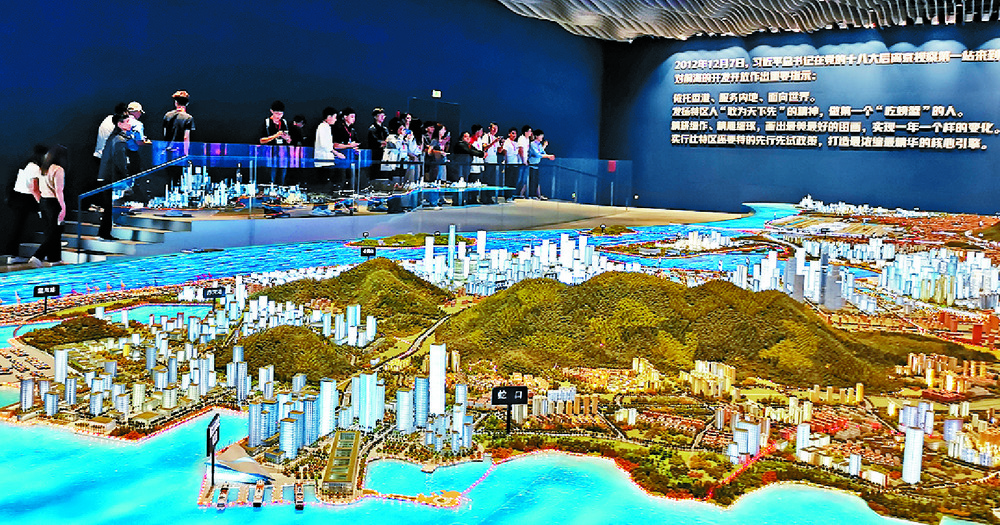
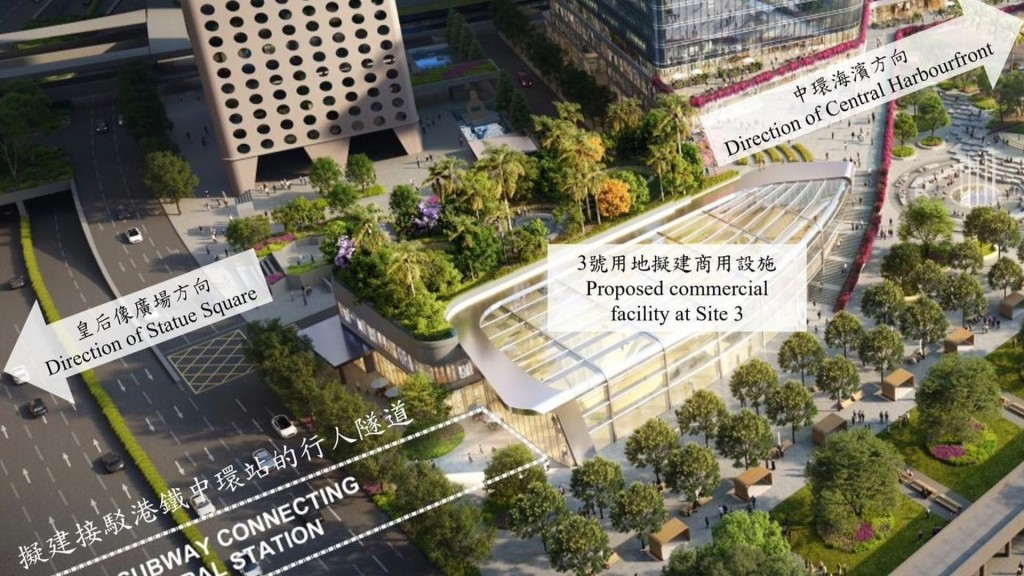
Scale model of the Qianhai development.