Read More




The Death of Late Night? What Colbert’s Final Bow on May 21 Means for TV
18-05-2026 21:09 HKT


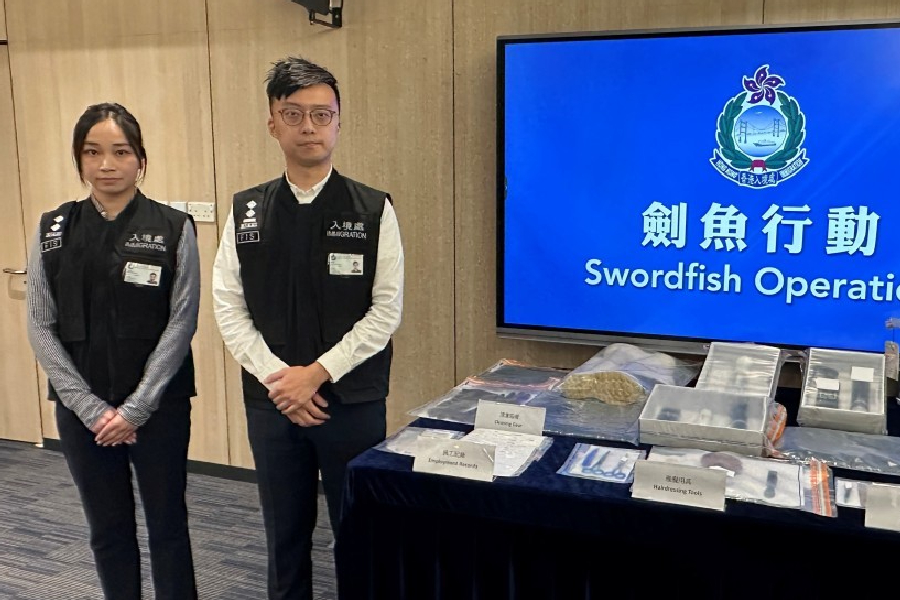
ImmD crackdown targets moonlighting domestic helpers arresting 17
19-05-2026 17:52 HKT
The hydrogen economy is right at our doorsteps, and Hong Kong is catching up with our mainland neighbors.
Following the testing of a hydrogen powered double-decker by Brava Group for Citybus, MTR Corp is planning to test a hydrogen powered vehicle next year.
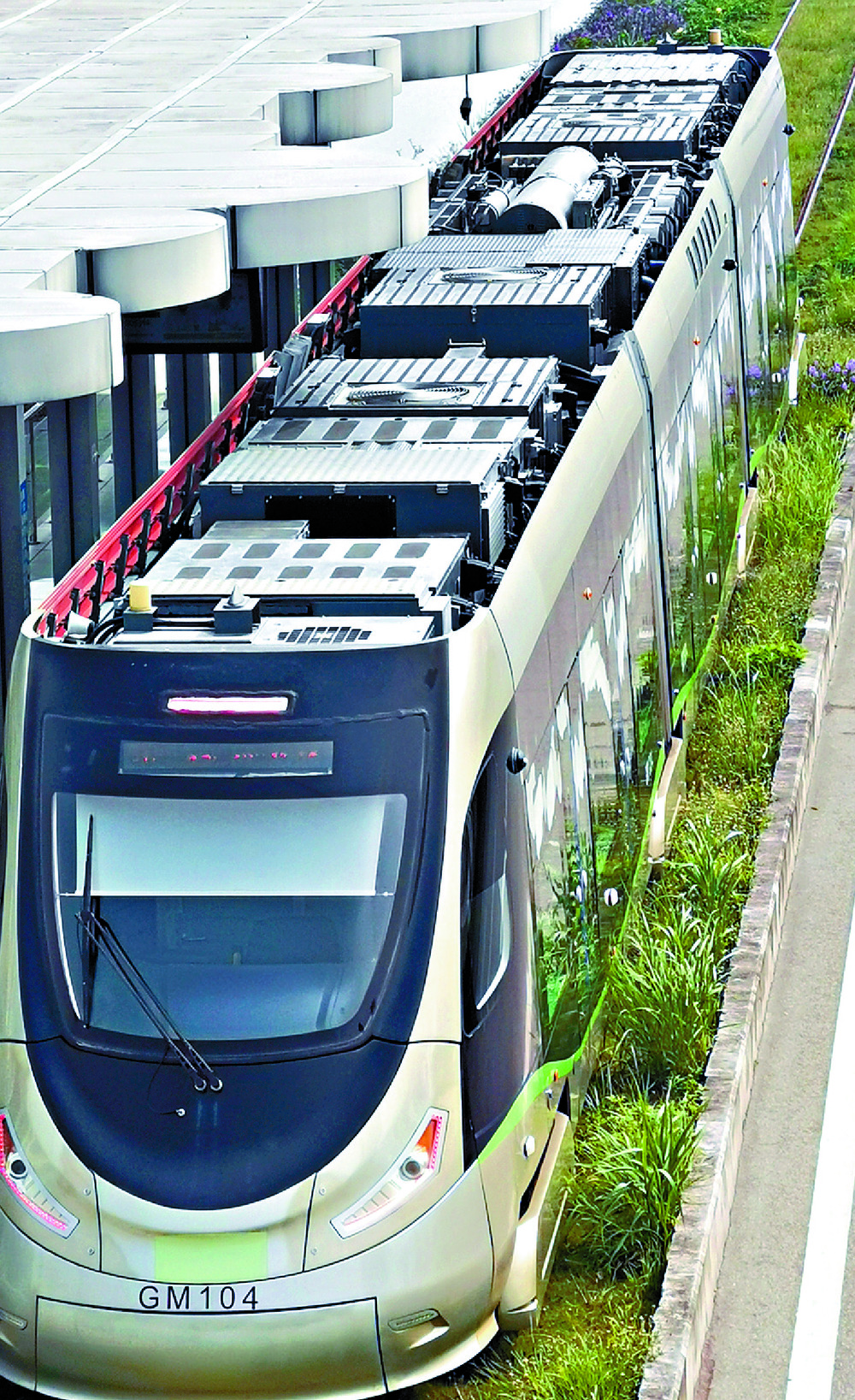
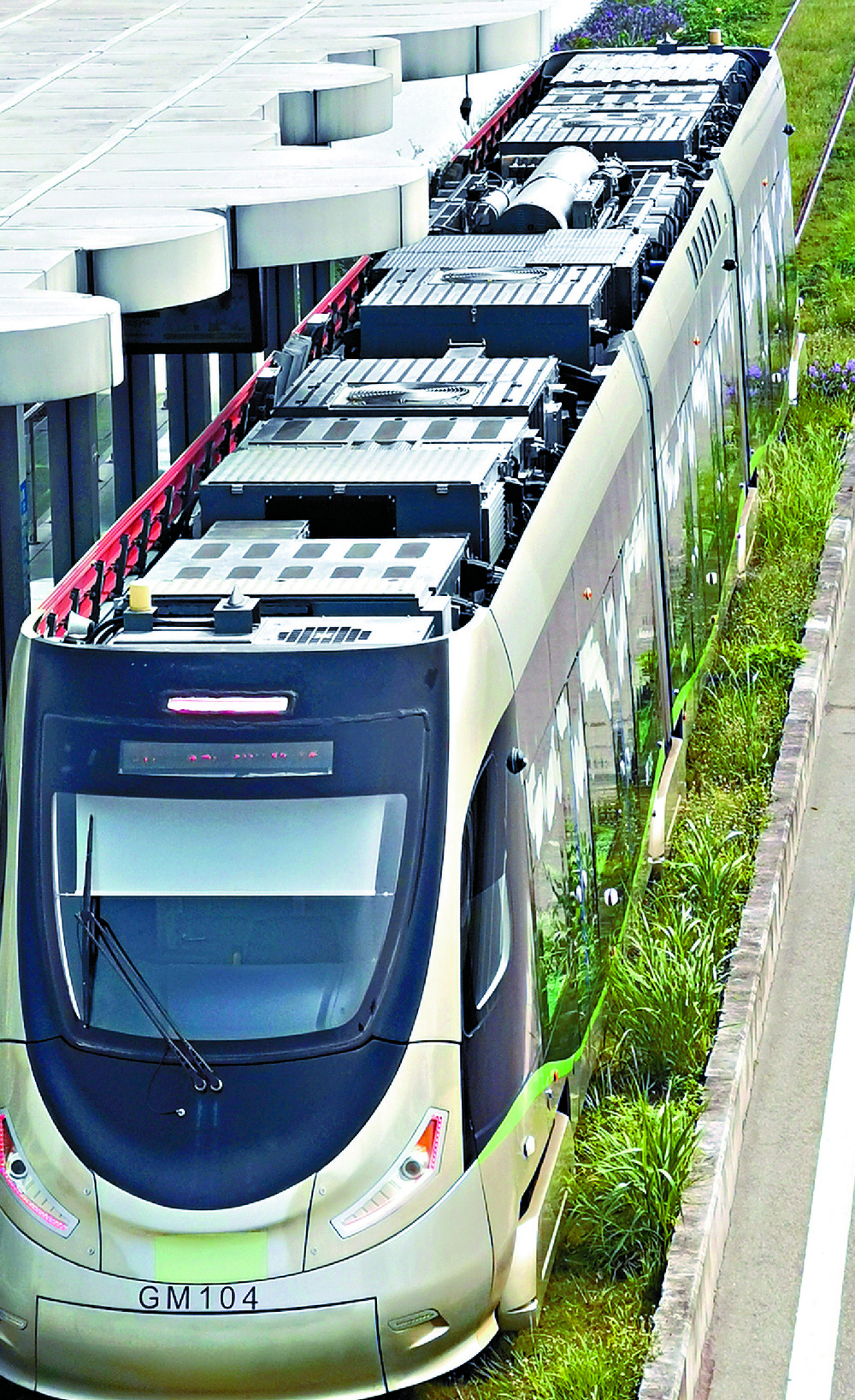
Unlike our LRT system, the Gaoming system in Foshan uses a three-car articulated set, instead of two cars.
The placement of some undercarriage bogies at articulation points helps reduce the minimum turning radius, allowing light rail vehicles to negotiate tight bends, which is best for congested town traffic.
The bogies' positioning also allows for a lower boarding level, dispensing with the need for high station platforms, minimizing intrusions in congested town centers and facilitating access for all passengers, including the handicapped.
Without the need to provide for overhead pantographs to deliver power, all major machinery are stored on the roof.
This includes the hydrogen tank, fuel cell and air-conditioning equipment.
Apart from easier access for inspections and maintenance, such storage minimizes risks from hydrogen discharge that may affect passengers, remote though the possibility is.
The tank can hold 20 kilograms of hydrogen, capable of powering vehicles for 100 to 200 kilometers, depending on loads. The latest version, with higher pressure storage, can increase the range to over 400km, enough for daily operations.
The 6.6km LRV route in Gaoming , with 10 stations and one filling station, has been running since 2019, chalking up 450,000 km and proving its reliability.
The MTRC is negotiating with a LRV maker to lease one car set for a planned route of about 4 km from Tuen Mun depot to a new station in Kin On.
Although the track gauge and vehicle length are similar, there will be a need to modify the wheel profile, train coupling equipment and software settings for signalling control and braking to adapt them to Hong Kong conditions.
Preparations for this test route include a new station platform at Kin On and a tube-trailer for storing and feeding hydrogen at Tuen Mun depot.
This LRV set will likely be delivered early next year, and after test and trial runs, ready for passenger operation in the third quarter of 2024.
The plan is to run it for six months to gather data for future use of this new fuel.
I have every confidence this experiment will be successful and expect to see future LRT systems running without the need for overhead power lines.
Stations will have low boarding levels, making siting them much easier, and significantly improving access for all.
It is so pleasing to see our public transport operators, with official encouragement, planning ahead with tests of hydrogen-powered vehicles.
Not only will it help us meet the net zero carbon target by 2050, it will also help to improve efficiency and the visual impact of the future transport system. Dispensing with overhead power systems will also enhance reliability with far less maintenance needed.
A concerted effort will shorten the implementation period and allow us to closely follow the mainland in the pursuit of the new hydrogen economy.
Veteran engineer Edmund Leung Kwong-ho casts an expert eye over features of modern life