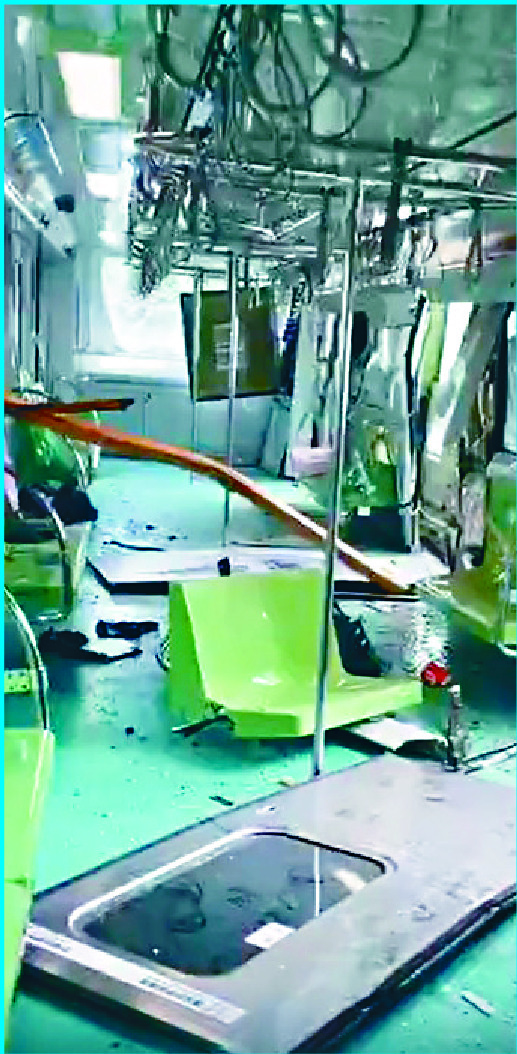
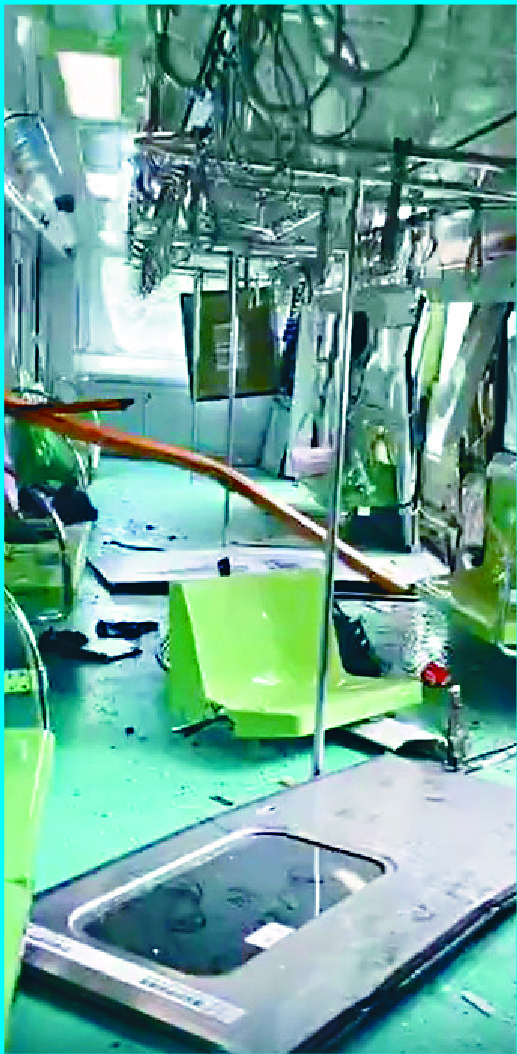
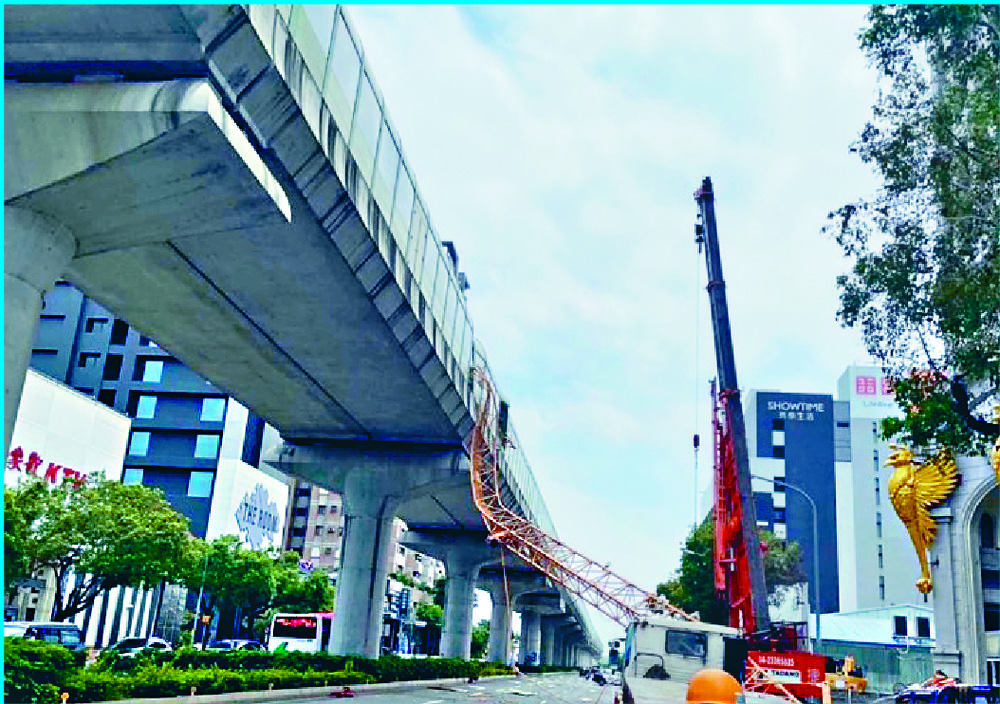
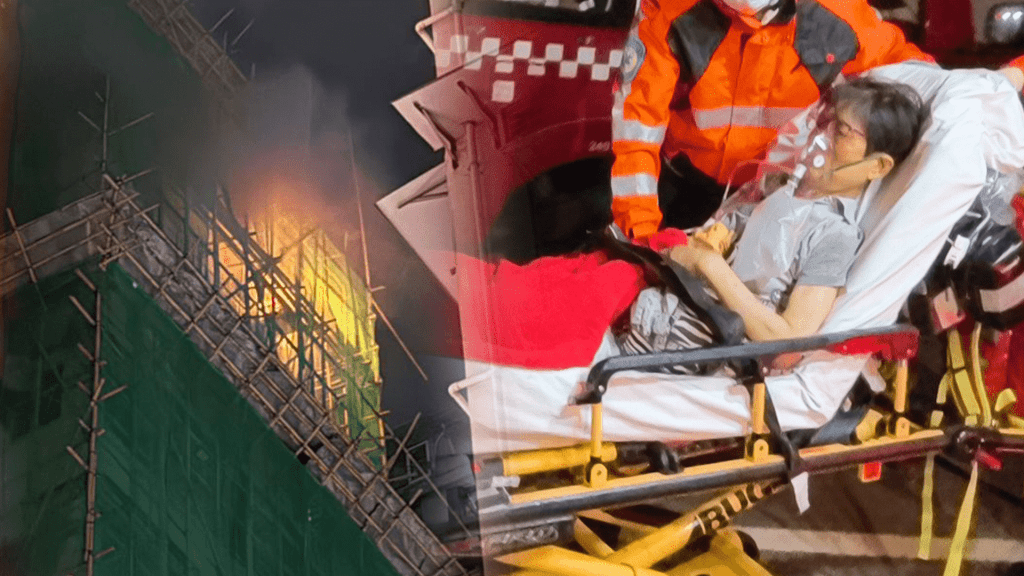
A tower crane used in the construction of a tall building in Taichung fell during its dismantling and smashed into an adjacent railway station, killing one person and injuring eight.
I don't have details of the cause of this fall but I can share some views about tower cranes as a couple a couple of years ago I described how they are erected and dismantled.
The tower sections and jib sections are bolted together, so upon dismantling they should be taken back to floor level (either on a roof or at ground level) with each section of the jib supported on stilts or suspended from steel wire ropes hung from a pole fixed on the top of the crane tower.
Whichever way is used total safety of the equipment and to personnel working on it must be ensured. Even more vital is that it must not threaten others in the area.
Dismantling a jib when it falls on another building is definitely not acceptable, and for it to topple on a busy railway station is unthinkable.
Someone in charge of the tower crane's dismantling must have ignored all the rules for it to land on an operating railway station.
I don't wish to say it but it had been incredibly fortunate that only one person died from the incident.
It's possible the long jib slewed across the site due to an uneven weight or by the force of wind, causing it to rotate to the direction of the railway station, breaking the securing bolts on the turntable and causing the jib to fall.
But whatever the reason this should not have happened as the tower crane would be locked in the sector of the traversing locus over the railway station. So there is no possibility of the jib slewing across to the railway station.
There were obviously other issues in the incident that must have contributed to the casualties.
The railway operation here is an automatic driverless system. That means trains running without drivers lack a continued surveillance of the rail track ahead.
I'm unsure if the operator has a CCTV or AI systems to monitor conditions of the track ahead, especially when it arrives in a station where the chance of unwanted objects falling on the tracks may occur.
Apparently the fallen jib smashed on to the metal station roof and then landed right in the path of an arriving train, and it was unfortunately not detected.
A woman who died in the incident was reported to be a passenger dragged out of a carriage and onto the track, though she was not noticed until some 45 minutes later. The CCTV cameras should eventually determine just why and how she died, but it's possible she may actually have been on a station platform waiting for a train and was hit by the falling jib and fell on the track.
It can be seen in any event that the incident was caused by two fatal mistakes.
The tower crane dismantling process was dangerous and could have caused fatalities.
The train system was driverless, but it seems there were not enough safety features. Control room staff should have been able to check the state of the track ahead and notice the falling jib before the train entered the station and operated emergency brakes to minimize damage.
Construction and railway incidents are not accidents. They are the results of inadequate provision of a system to ensure human safety with a minimum of damage.
Although people may not be able to ensure total safety with this equipment and these systems, there are a lot of safety features that can be employed to minimize risks.
Veteran engineer Edmund Leung Kwong-ho casts an expert eye over Hong Kong's iconic infrastructure
Two fatal mistakes are apparent in the Taichung incident involving a tower crane and a railway.