Read More








Omens of fear, wings of hope in Arab lore | Arabic Window | Amjad Refai
28-05-2026 06:26 HKT

Sculpting the face of the city | La Vie en Rose | Joanne Chan
28-05-2026 06:19 HKT



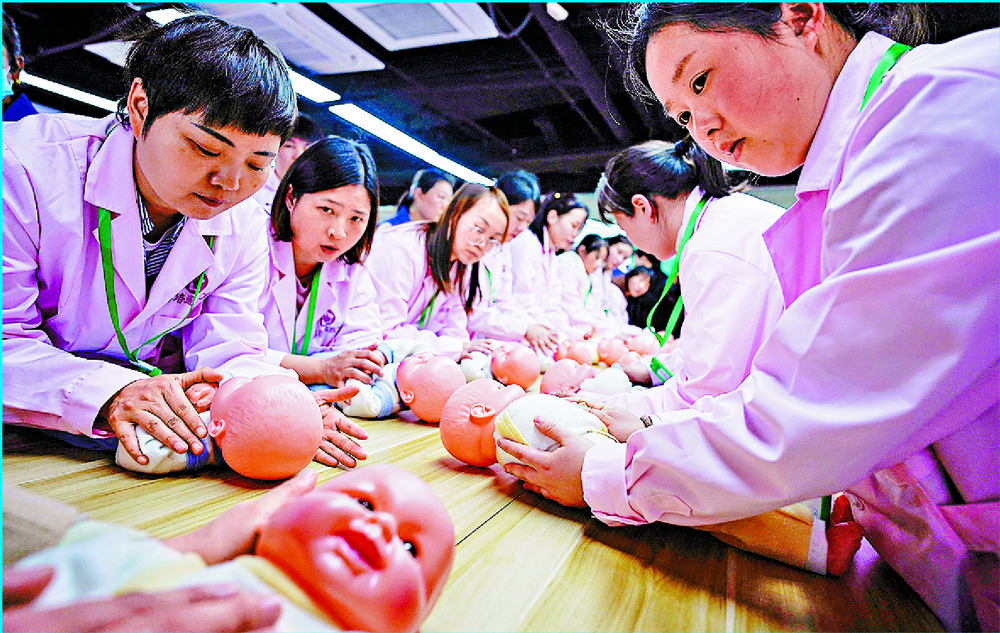
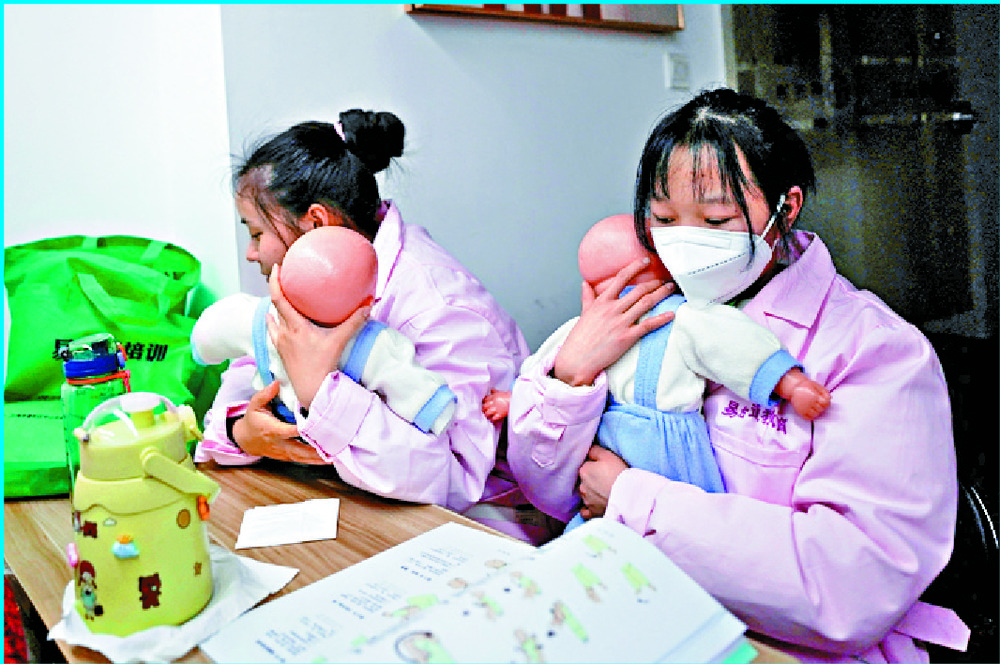
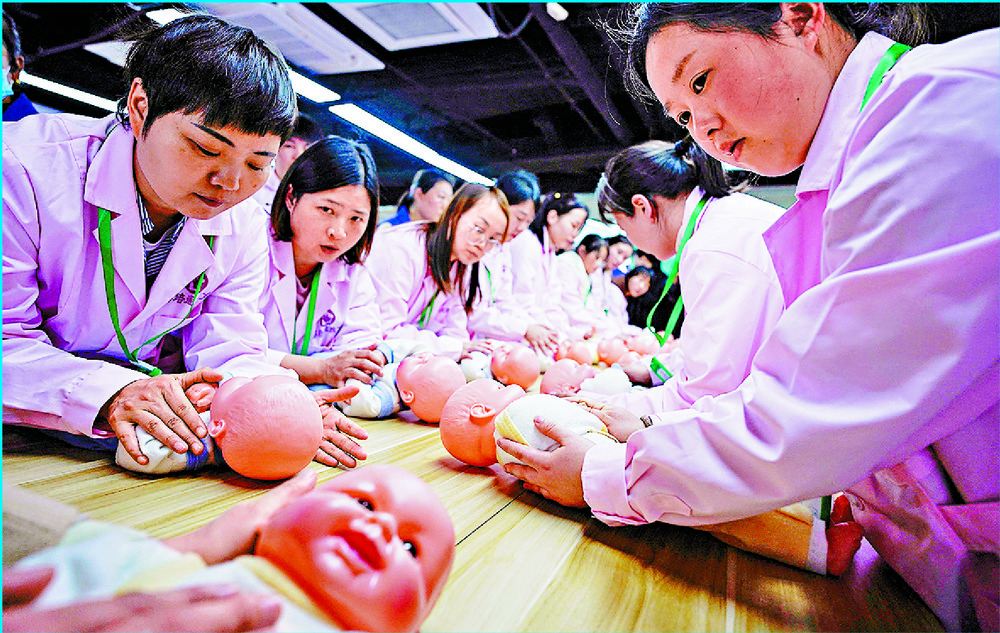
More than a dozen women in matching pink lab coats lean over benches in a classroom as they delicately massage and stretch the limbs of plastic baby dolls.
They are students at the Yipeitong training center in Shanghai, who have arrived from around China to learn to be "yue sao" - confinement carers - to look after mothers and newborn, particularly in the month after birth.
Confinement care is not new in China, where the practice of one month of confinement post-birth, which traditionally includes strict rules for bathing, hair washing and teeth brushing for mothers, has long been the norm.
What's different today is the professionalism and expectations of those doing the caring, says Jiang Lei, a teacher at the center.
Somewhat counterintuitively, China's declining birth rate meant the population fell last year for the first time in six decades, but that could be good for business.
Even as people plan to have less children, working parents likely to have one child are increasingly willing to spare no expense in getting the best possible care from day one, Jiang says.
Although the booming tutoring industry was hit hard by a 2021 crackdown that aimed to lessen the financial burden on parents raising children and thus encourage them to have more than one child, parents in big cities still spend large amounts on extracurricular activities aimed at giving kids a head start.
In Shanghai, for example, one-on-one tutoring costs more than 200 yuan (HK$225) per hour, music lessons routinely cost over 400 yuan hourly and sports and science camps often cost from 6,000 to 8,000 yuan per week during holidays.
"We need professionals to do professional things for professional people," Jiang adds, so the center teaches "scientific feeding knowledge, sleep cultivation and other knowledge such as early childhood education."
Jiang adds that most women in Shanghai, who themselves make only half as much per month as the average confinement carer, will still pay for a professional service as it is seen as necessary to modern motherhood.
Job ads show confinement carers in big cities earn 15,000 yuan per month or more - relatively high pay in a country where the average wage is less than 9,000 yuan. Such wages draw women with higher education into the business.
Dong Lili, 35, a student at the center, studied mechanical engineering before having a baby six years ago. The experience of caring for her child made the idea of a career as a nanny attractive.
"When parents choose nannies they will choose more professional ones, and the requirements for academic qualifications are particularly high," she says.
That said, students and teachers at the center agree that although training is vital the most important skill for a carer remains the same as it has always been.
"You must be patient, and treat the baby like your own child," says student Sun Hui, 46.