In every culture, customs of optimism and pessimism intertwine with numbers, days, and events. Pessimism often springs from a fear of the unknown and a wariness of potential surprises, while optimism blossoms from wishes and hopes for a brighter today and a better tomorrow.
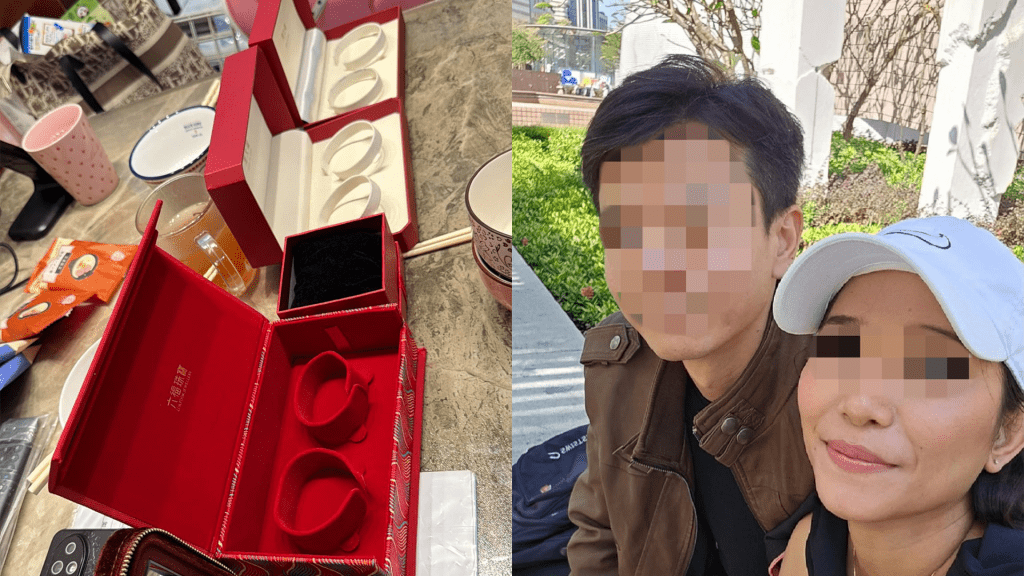
The Chinese find fortune in the number eight. An eight in a phone number or license plate is a herald of good tidings, and residences bearing this number command higher prices. Conversely, they shun the number four, which signifies death. Thus, this unlucky digit vanishes from elevators, dining tables, and building numbers, ignored wherever possible.
Westerners view 13 with dread; it brings bad luck, making the 13th of any month a day of caution, especially if it falls on a Friday.
Arabs, like all nations, harbor their own beacons of hope and shadows of doom. Ancient Arabs practiced Tatiyur (augury). Before embarking on a significant endeavor or grand trade, they would startle a bird’s nest. If the birds flew right, it was a blessed omen. If they flew left, it foretold misfortune, prompting them to abandon their plans.
Furthermore, ancient Arabs feared Safar, the second lunar month, during which they avoided any ventures that required good fortune. They also dreaded the raven’s croak and the owl’s hoot. Tied to ruins, these birds were harbingers of devastation, bad news, and death.
Conversely, Arabs favored odd numbers over even ones, beautifully reflected in One Thousand and One Nights, where the extra night wards off the even count. They cherished three as the first true plural, due to Arabic’s dual form, and revered seven. Representing the heavens, the earths, and sacred rituals, seven stands as the symbol of cosmic perfection.
Despite these pessimistic signs, optimism prevails. Arabs possess a deep love for life, perfectly captured by an ancient sage: “I am a man who lives by hope. If it comes true, it is by God’s grace; and if not, it is enough that I lived by it for a time.”
Amjad Refai is the director of the Arabic Programme at the University of Hong Kong.