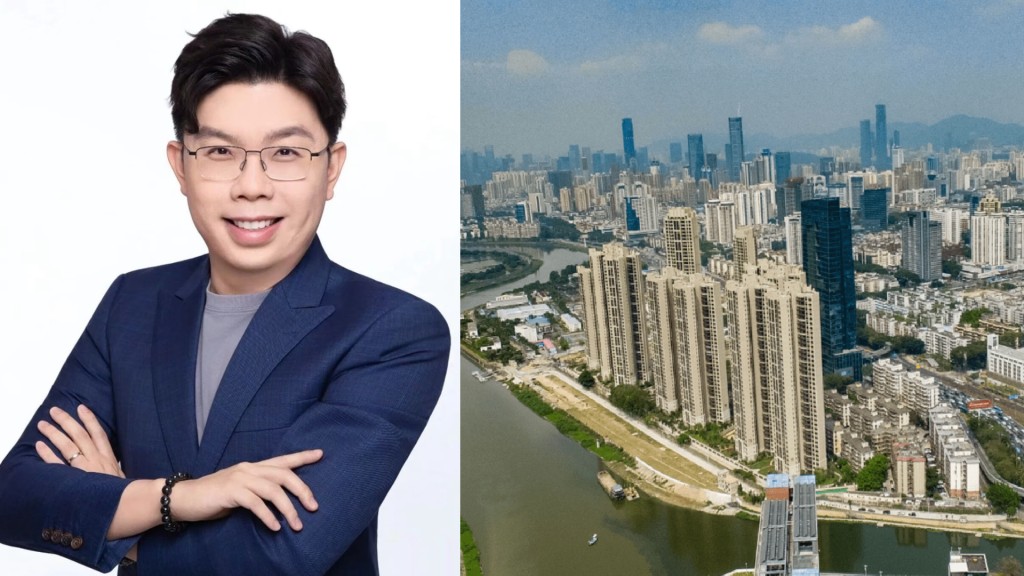
The architectural identities of Hong Kong and Paris are forged by opposing forces: the epicenter of global capital and the enduring authority of the state. To stroll through Hong Kong is to look up at a glass-and-steel monument to capital. Our city’s iconic face was not sketched by a committee; it was sculpted by corporate visionaries chasing clouds. Here, commerce is the master architect. Yet, Paris offers an inverted mirror image. Wander down the Seine, and you quickly realize the market takes a backseat. In the French capital, the cityscape is dictated entirely by the aesthetic authority of the state.
This contrast proves that whoever holds power will inevitably paint their signature across the horizon. The blueprint of Paris has always been a masterpiece of centralized vision.
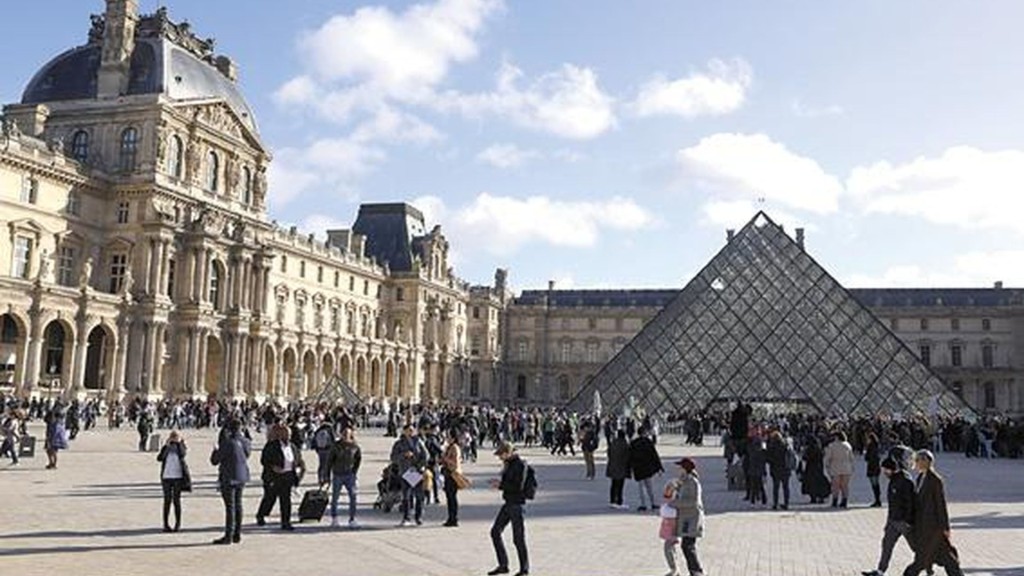
For five centuries, French kings transformed the Louvre from a medieval fortress into a monumental royal palace. Later, Baron Haussmann acted as the ultimate urban couturier. Commissioned by the emperor Napoleon III, he swept away medieval gridlocks to weave the iconic, star-shaped network of tree-lined boulevards and uniform limestone facades we romanticize today.
Even as eras changed, the state remained the chief curator. During the Third Republic, commerce minister Édouard Lockroy masterfully pulled the bureaucratic levers to champion Gustave Eiffel’s radical iron tower for the 1889 World’s Fair, outmaneuvering traditionalists who wept for the city’s skyline.
Today’s presidents remain the chief architects of this legacy. Georges Pompidou dropped his namesake Centre Pompidou, a colorful, inside-out architectural “factory,” into the Marais, while Valéry Giscard d’Estaing transformed a derelict train station into the Musée d’Orsay. At that exact same moment in the late 1980s, François Mitterrand commissioned Ieoh Ming Pei’s geometric glass pyramid for the Louvre’s courtyard, a design Pei was simultaneously mirroring halfway across the world to build Hong Kong’s Bank of China Tower for a banking titan. Most recently, Emmanuel Macron has continued this tradition, guiding the restoration of Notre-Dame and launching the massive “Louvre–New Renaissance” project to modernize the landmark palace.
Ultimately, a city’s face is never accidental. Unlocking these histories transforms how we walk through them, casting our urban landscapes in a completely new light. Whether curated by French presidents to enforce a timeless vision or forged by the competitive pressures of Hong Kong’s marketplace, the skyline is always sculpted by the forces that define the culture.
Joanne Chan, Chevalier de l’Ordre des Arts et des Lettres. A kaleidoscope of musings and flâneries through France.