Modern Texas was built on oil, and its production has long been a source of pride. But areas that moved to the steady rhythm of oil derricks for more than a century are now making the state the American leader in wind and solar energy.
A convergence of factors has led to this unexpected result: lots of wind and sun, relatively cheap land, federal clean-energy subsidies, and a desire to backstop a utility system that failed during a 2021 cold snap.
Two counties south of Dallas, Navarro and Limestone, symbolize the shift. Inextricably part of the Texas petroleum industry since the late 19th century, they are in the vanguard of the renewable revolution.
Wind and solar projects "have Navarro County leading the nation with renewables," says the county's development director, John Boswell.
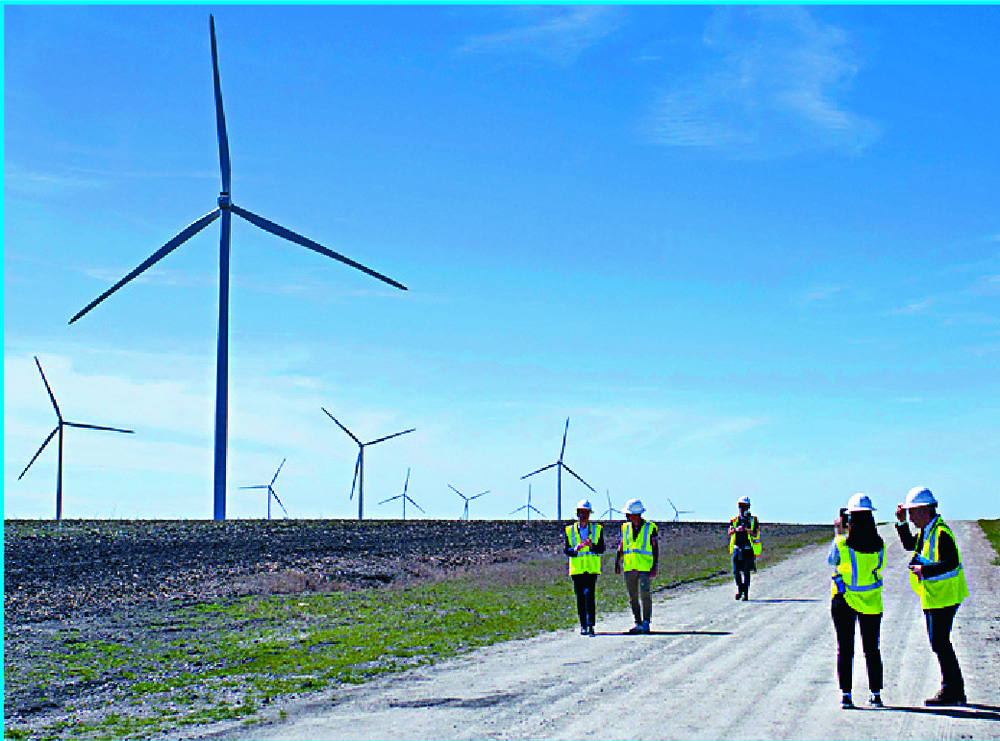
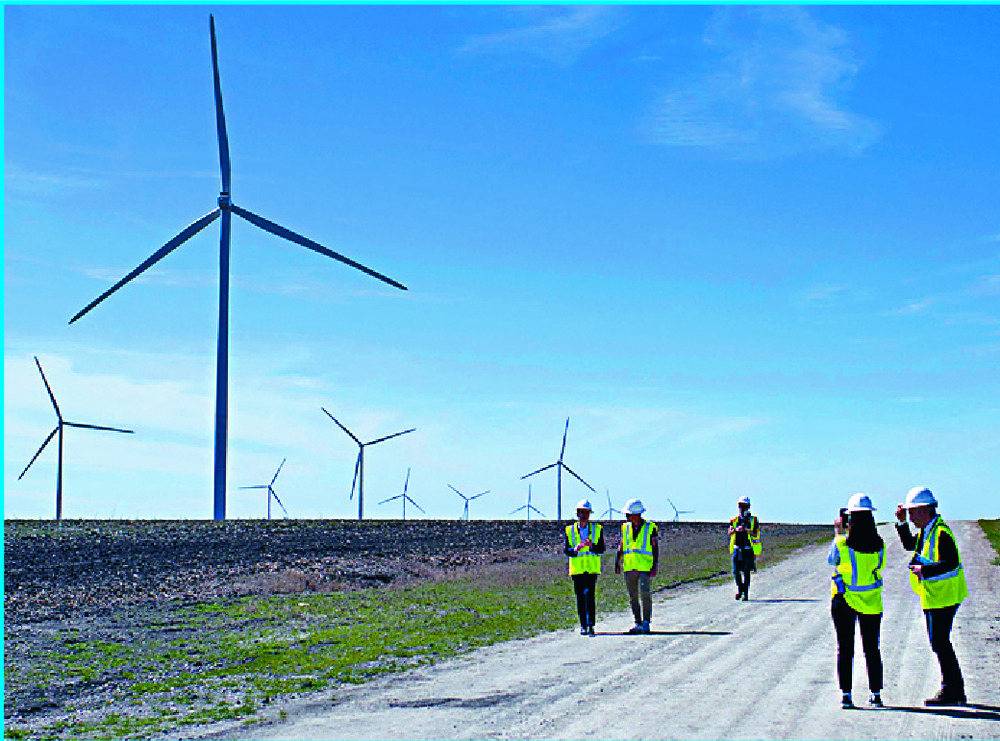
Symbolizing this push is a new wind farm just inaugurated by French multinational energy company Engie, with 88 wind turbines capable of producing 300 megawatts of power.
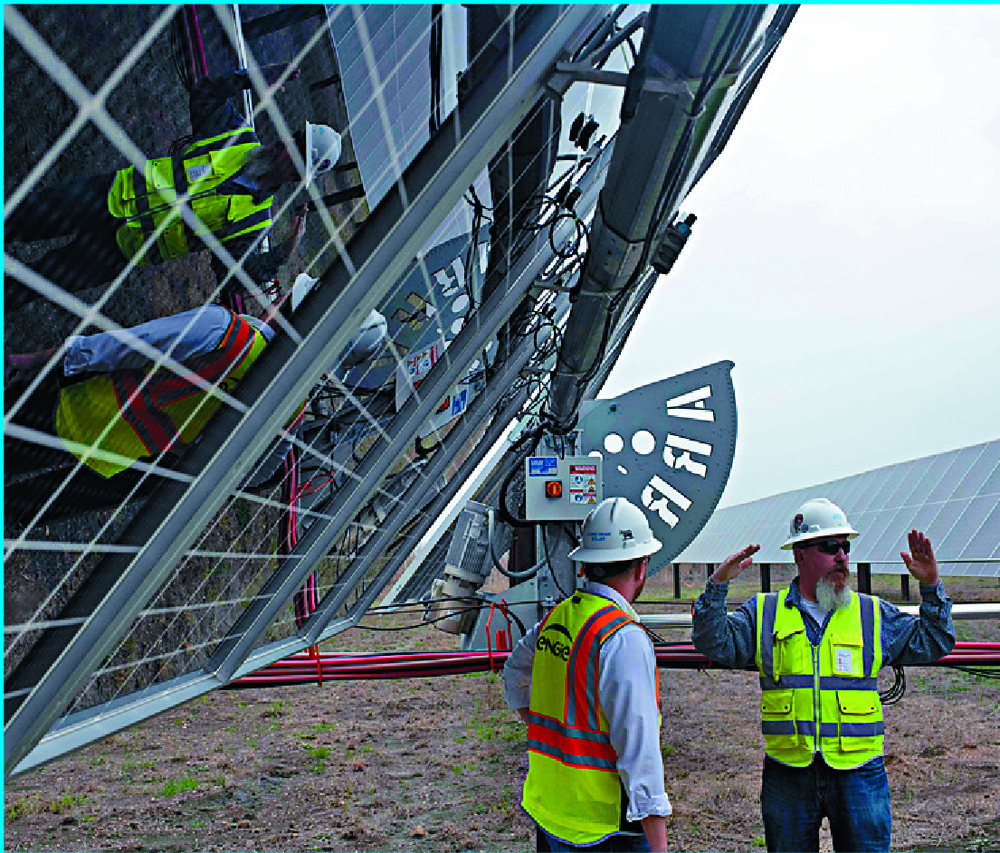
A half-hour's drive to the west, in the small town of Abbott, is a 250 MW solar farm, also built by Engie, producing electricity.
Texas is the US leader - by far - in providing clean energy to corporate and industrial buyers, at 35 percent of the national total. Ohio has about half Texas's number of corporate and industrial projects, just ahead of California in third place.
"It's true that when we think about Texas we think about this very large oil and gas state," says Engie executive Frank Demaille.
But, he adds, its natural resources are not all in the ground. "They've got lots of wind, lots of sun and are very good at managing their different resources."
With its huge and sprawling petrochemical industry, a population of 30 million and a history of independence, Texas in many ways stands apart from the rest of America.
One way its go-it-alone mentality did not help became apparent in 2021, when a rare and intense cold wave swept through Texas - whose power utility was not connected to two major national grids - provoking electric outages affecting millions and blamed for more than 200 deaths.
Texas today remains primarily dependent on fossil fuels. Gas was this year its leading source of energy at 42 percent, while coal trails at 11 percent.
But renewables have a major role: wind-generated power provides 29 percent of Texas's needs, with solar at 11 percent. The remainder comes from nuclear and hydropower.
By comparison, wind was at 24 percent just two years ago, and solar at less than five percent.
Given Texas's deep investments in and long history with carbon-based energy, experts don't expect it to give way to renewables anytime soon.
And Texas is a major supplier of natural gas to Europe. And now, says Demaille of Engie, "because of the war in Ukraine we're importing more gas from the United States and especially from Texas."
But John Null, an engineer living near Dawson, says locals aren't seeing the immediate benefit they would hope for from the huge wind turbines visible from his window.
During an ice storm last month, for example, turbines kept turning but, linked to a broader network, provided no energy to a nearby community.
Wind power needs to be "properly pitched" to people, Null says.
In some areas, renewables are touted as power answers to poorer neighborhoods.
In a less affluent part of Houston, the fourth-largest US city, a solar farm is to be built over a former dump. That should be providing 50 MW of power in 2024, according to BQ Energy chief executive Paul Curran.
A former petroleum industry executive, Curran says fossil fuels and renewables need not be in competition.
"It's not very difficult if you do wind and solar in the right places for the right market," he says. "It's very well received by energy experts and oil industry people."
Wind and solar farms built by energy company Engie in Dawson and Hill County, Texas. AFP