Read More







The Central Asia visit is just the beginning | High-flier | Jeffrey Lam
09-06-2026 05:24 HKT

Can the market keep up with mega IPOs? | Cash Call | Andrew Wong
08-06-2026 04:48 HKT


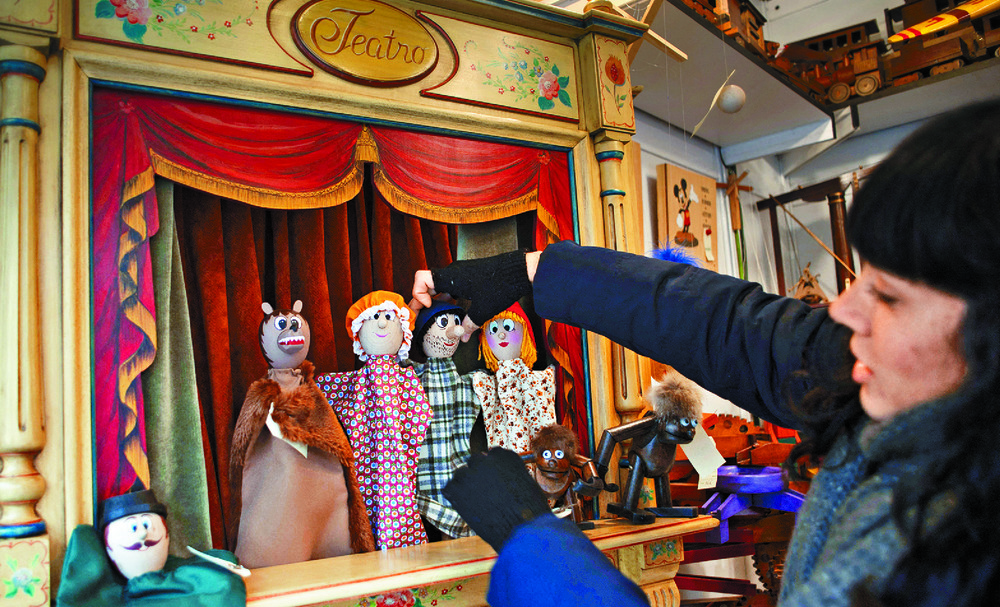
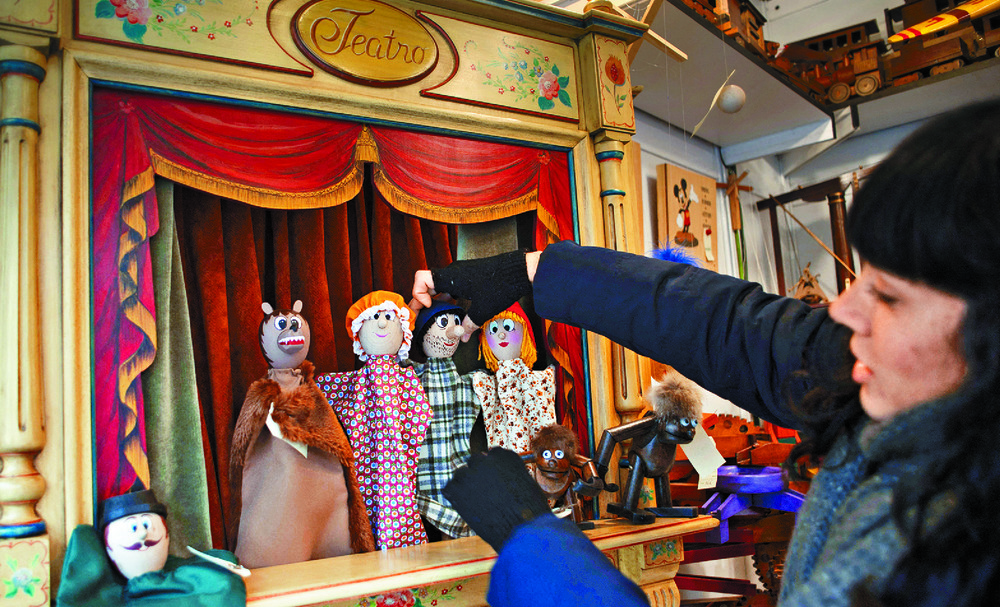
Since December 1 a code of ethics has been in place encouraging toy shops and manufacturers to "avoid gender bias" when marketing toys, in guidelines agreed with the consumer affairs ministry.
Flicking through its catalog you see images such as a girl with a toy gun in a police vest, another girl hitting a punchbag while a boy pushes a pram.
"It's important if we want to see a future in which a boy could become a midwife or a girl a mechanic."
What drove the change back in 2012 was the realization that Toy Planet was coming under fire on social media for its unimaginative publicity."We started using images that were the opposite: boys playing with dolls, girls using tool benches," Gaspar says.
But the switch wasn't easy."People said it would make boys more effeminate or turn girls into tomboys," Gaspar adds.
A pioneer in feminist initiatives, the government of Prime Minister Pedro Sanchez has pushed through schemes to tackle gender-based violence as well as advancing equality and women's rights.Under the new code, ads can no longer say a toy is for a particular gender or designate pink for girls and blue for boys.
Signed by the Spanish Association of Toy Manufacturers, which represents 90 percent of the industry, it took 12 months to draw up.But its scope remains limited since it does not affect packaging, street advertising or toy shop catalogs. There are no sanctions for those who fail to comply, who only run a "reputational risk," and major international brands are not affected.
"It's obviously not enough but it's necessary if we want to move forward," says the Ministry of Consumer Affairs.On Gran Via, Madrid's main shopping street where people are Christmas shopping, Julio Cesar Araujo, 62, has a clear idea of what to buy his grandchildren.
"For the girls it's dolls and things like that," he says. "But if you have a girl who wants to play with boys' toys she can."Nathalie Rodriguez, 48, owner of Kamchatka, which sells "educational, non-sexist, environmentally-friendly and non-violent toys," believes toy sellers have "an educational responsibility."
She explains: "Toys themselves aren't sexist, but it's the way they are perceived by the adults that design and make them, who sell and market them. A catalog with a picture of a boy wearing a baby sling is what we're aiming for."With some customers she will "gently try to break down silly ideas."
"When a grandfather says he doesn't want a cooker because he's buying for a boy, you tell him it makes no sense in a country with the highest number of internationally-recognized chefs."Tania San Jose, a 41-year-old mother and teacher from the northern Pamplona, thinks it's about time the government stepped in with some rules.
"Unfortunately there are still toys for boys and toys for girls but in our generation, we're trying to change that," she says.Angela Munoz, 47, believes society has evolved a lot already.
"I could buy a doll for my son so he could have the chance to play like the girls do," she says. "That way both sexes have the same opportunities to play."AGENCE FRANCE-PRESSE