The fifth Covid wave is stretching our medical facilities to the limit, with hospitals and isolation centers the worst affected. We badly need hundreds of thousands of hospital beds and tens of thousands of isolation rooms to house those who are close contacts of the infected.
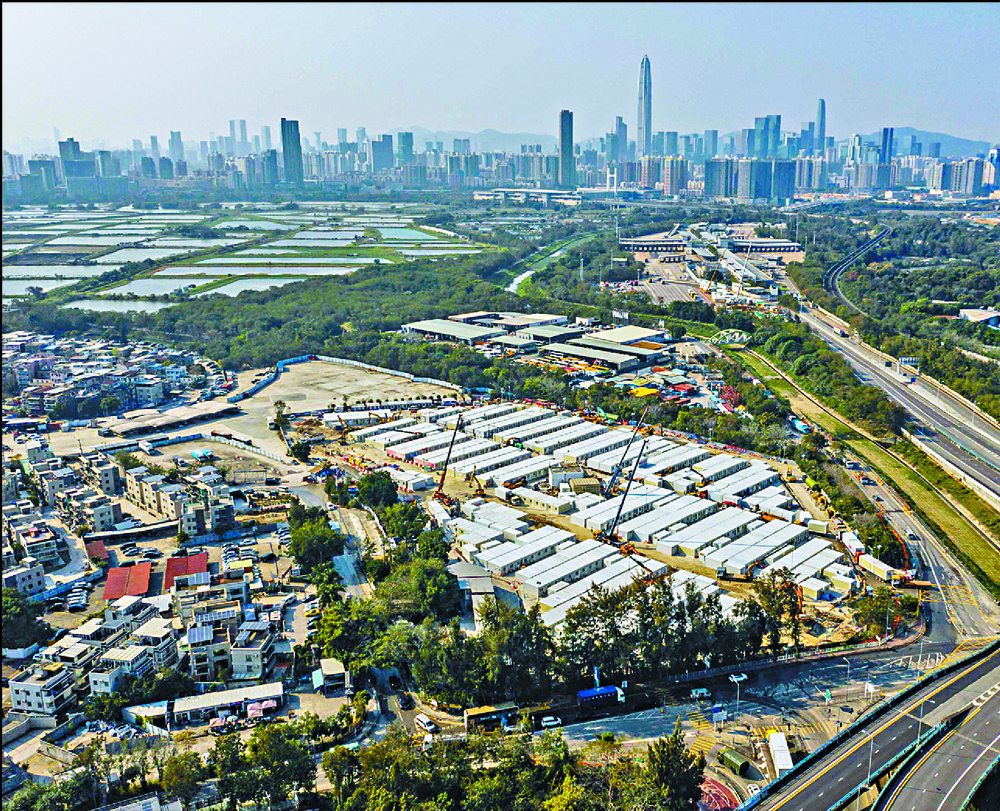
Our mother country has come to the rescue and helped build temporary hospitals and isolation centers swiftly, sending over materials and skilled workers and bypassing the usual process of planning and circuitous approval process to commence construction immediately.
To build in the shortest possible time requires determination to cut out all conventional stop-and-think approaches, and success hinges on the immediate availability of skills and resources.
First, we need flat land, together with the necessary connections for utilities: electricity, water supply and drainage.
Of these, the most critical is the drainage system, as it needs a natural fall to ensure effective draining, and therefore the topology of that site is crucial.
The other two can normally be provided without too much difficulty.
Hence the site chosen must have adequate drainage facilities, both for surface water and for sewage.
Second, there must be resources available to manufacture the components of the building.
With modern modular integrated construction methods, they can be made in a factory and shipped out to the site.
But that depends on the available width of approach roads as it would be more efficient to transport large components to minimize the need to join up smaller pieces, saving precious construction time.
Third, skilled labor must be available to join up the pieces on site and finish them to a standard good enough for medical facilities, with the necessary integrity to ensure air-tight enclosures to ensure negative pressure compartments to operate.
Structural integrity is a lesser issue as they are not multistory blocks, and their structural strength would have been proven in previous applications.
Cooperation from the authorities, including the buildings and fire services departments and others, will be required to waive or shorten the approval process, but focusing only on safety aspects.
Administratively, the usual tendering process to ensure equal opportunity must also be waived as it will take weeks or months to complete the process.
We are glad to see our government cutting out all red tape and opening its doors to a new approach to allow these facilities to be built in minimum time, a matter of days and weeks instead of months and years.
When it comes to dealing with emergencies, we need a new thinking to achieve quick results.
Established processes were designed for a variety of purposes to meet a wide spectrum of needs, but when we have an emergency, we must be able to pick and choose which process to follow and which to cut.
When it is a matter of saving lives against protection certain ideals such as equal opportunities, fairness and accountability, we all know what our priority is.
However, it needs courage and experience to execute such emergency plans.
Fortunately, such facilities have already been proven in operation many times in our mainland, and their experience ensures that it can be repeated in Hong Kong to provide timely help to us.
Veteran engineer Edmund Leung Kwong-ho casts an expert eye over a new approach to building Hong Kong's iconic infrastructure
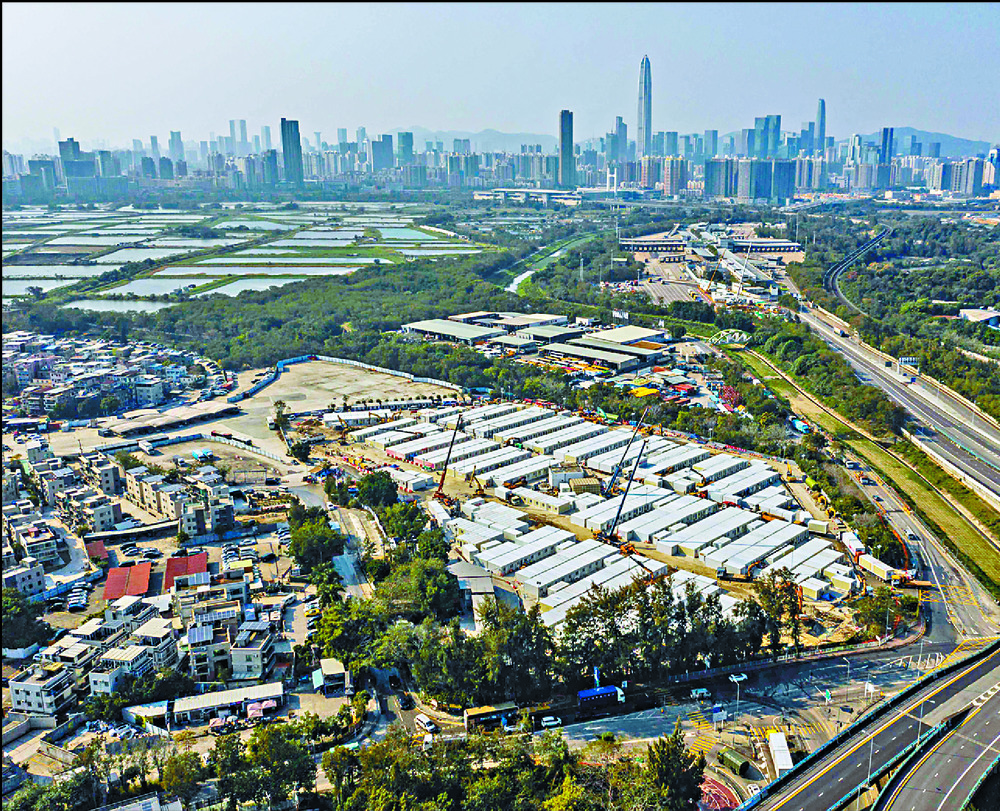
One of the isolation facilities that have sprung up virtually overnight with help from the mainland.