In an industrial unit on the outskirts of Taipei chefs are plating meals that will never be served in a restaurant. Welcome to the world of "ghost kitchens."
Even before the pandemic sent an earthquake through the global restaurant trade, the "Amazonification" of commercial kitchens was well under way, but lockdowns and restrictions have fueled explosive growth in Asia. So the boom in food delivery apps meant customers were already used to having restaurant-quality meals delivered to their homes.
To meet that demand a growing number of restaurants set up delivery-only kitchens - also known as "cloud kitchens" - or rented space in some.
Then the pandemic struck, ending dining out for billions.
"It really drove the whole industry into sort of hyper growth, so that really helped us," says Just Kitchen boss Jason Chen.
Just Kitchen started operating Taiwan's first ghost kitchen early last year. Now it runs 17 across the island as well as one in Hong Kong and is aiming to expand into the Philippines and Singapore by the end of this year.
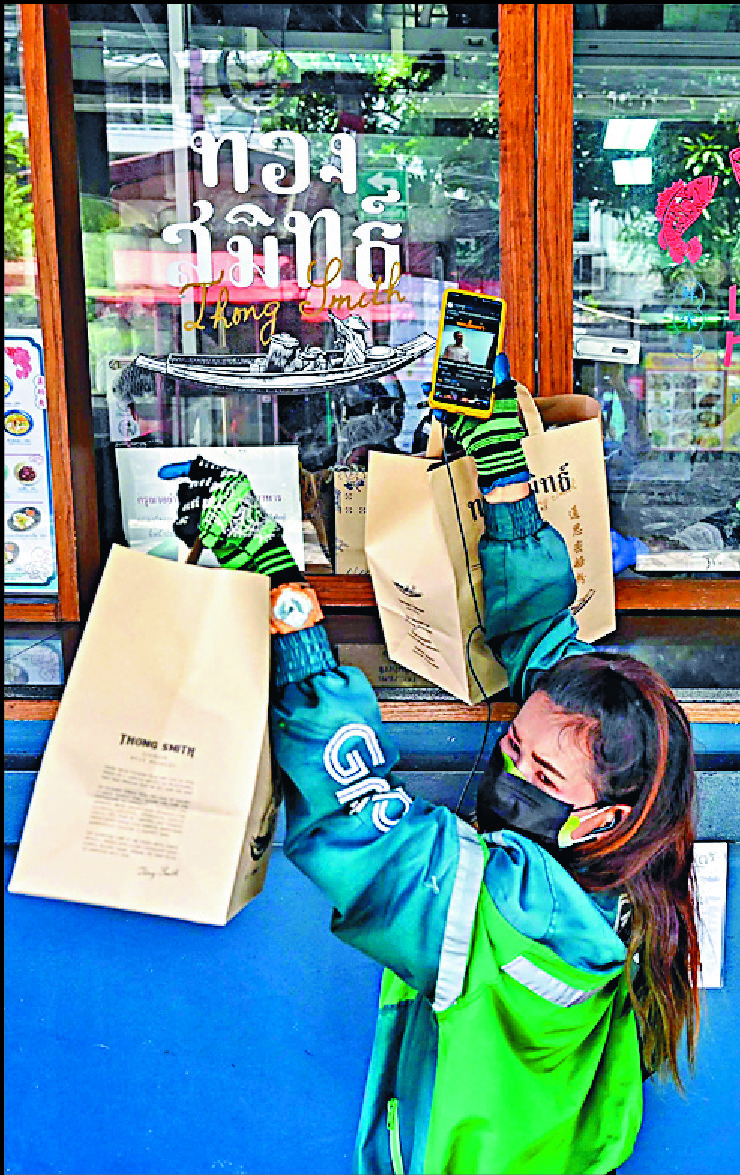
Regional delivery giants like Singapore-based Grab and Indonesia's GoJek naturally jumped in. Grab opened 20 cloud kitchens in southeast Asia last year, up from its pre-pandemic 42.
The global ghost kitchen industry is expected to grow more than 12 percent each year to be worth some US$139.3 billion (HK$1.08 trillion) by 2028, according to Researchandmarkets.com.
The Asia Pacific, home to 4.3 billion people, already accounts for 60 percent of the international market.
For many in the region's cities, eating daily from cheap restaurants or stalls is more affordable and viable than cooking at home.
Researcher Euromonitor estimates there are 7,500 cloud kitchens now operating in China and 3,500 in India compared to 1,500 for the United States and 750 for Britain.
Third-generation Thai restaurateur Natalie Phanphensophon, 35 had to pivot her family's 45-strong restaurant empire into takeaway only for much of the last year because of the pandemic.
Her family owns the popular Mango Tree and Coca chains, many located in now empty malls where rents are high. But earlier this year it opened a first cloud kitchen on the outskirts of Bangkok, with plans for two more.
Cloud kitchens, she says, are less lucrative than restaurants because people don't order as many dishes compared to dining out. But operating costs are far lower.
iBerry Group, which operates restaurants and ice cream shops mostly in malls in Thailand, also set up a delivery only hub.
"Having a cloud kitchen is basically an oxygen mask for us during Covid-19," said brand manager Thitanun Taveebhol.
While conglomerates and chains have moved into delivery only operations, mom-and-pop cloud kitchens are also opening.
After retiring recently from Air India, Nirjash Roy Chowdhury, 61, sank his savings into setting up a cloud kitchen in Mumbai. His six employees are from the hotel trade - ravaged by the pandemic. "They didn't have anything to eat," he says. "If I can give somebody bread and butter by doing this then there's nothing like it."
He estimates it will take six months to break even but sees long-term potential as "this cloud kitchen culture is here to stay."
Nailul Huda, an analyst at Institute for Development of Economics and Finance in Jakarta, says lower costs and the ordering habits of tech-savvy younger generations will ensure growth.
"People will keep ordering food even after the pandemic," he adds. "The ghost kitchen has the potential to keep growing rapidly even after it's over."
Chen says of people ordering food direct to their doors: "Once you do it the convenience is hard to get away from. We're very positive on the outlook."
At a time when so much of the catering industry was devastated, ghost kitchens have kept chefs, delivery drivers and wholesalers in business.
But they have added to the mountain of plastic. One recent study in Bangkok found plastic waste has nearly doubled during the pandemic, some of it because of food deliveries.
And food writer Leslie Tay says while ghost kitchens have "taken away the soul of food to a certain extent," there is space for them to thrive alongside dine-in restaurants.
"At the end of the day the food speaks for itself. If your food is good people will start talking about it."
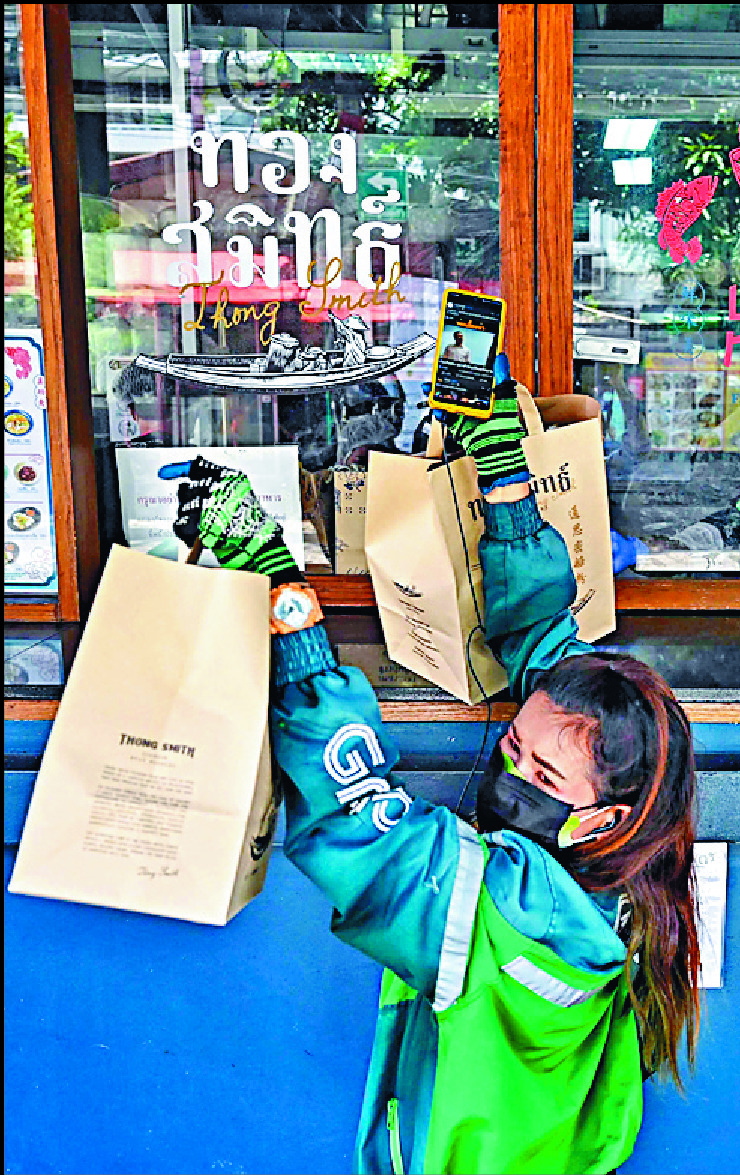
Delivering good food to homes are, from left, 'ghost kitchen' operations in Mumbai, Seoul and Bangkok.