Morgan Stanley's recent research suggests that GPT-6 Astra could strengthen the AI bottleneck narrative. As ever-larger AI models require more computing power, attention is shifting toward physical constraints: capacity, critical components and manufacturing complexity.
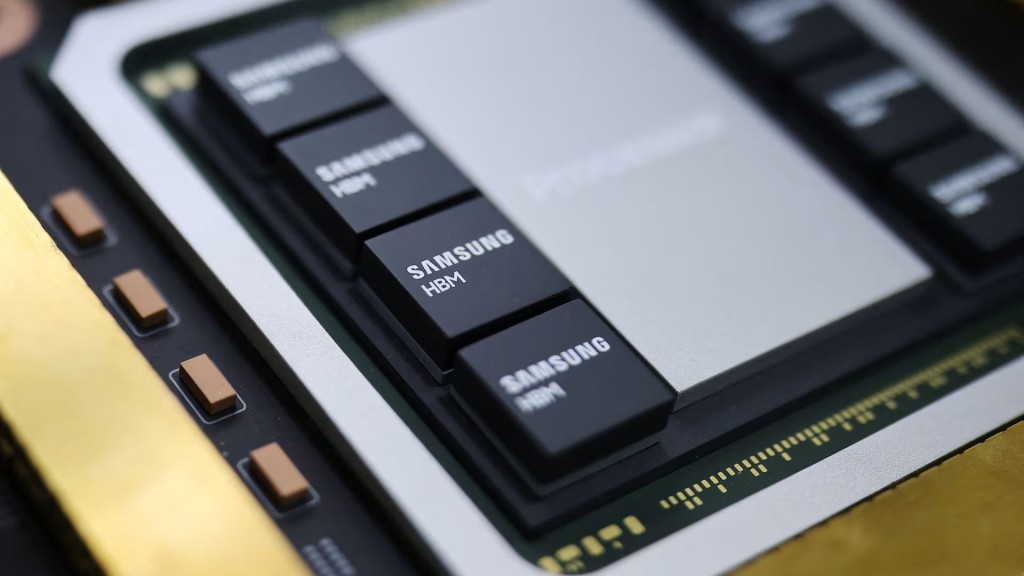
The most visible bottlenecks sit in the AI hardware stack. High-bandwidth memory (HBM), advanced foundry, semiconductor test equipment, ABF substrates and MLCCs are among the critical inputs. These areas are difficult for new competitors to enter. They require accumulated technical know-how, substantial investment and rigorous customer qualification. Supply is also slow to expand. Building a fab and improving production yields can take years, leaving supply unable to respond promptly to demand surges.
This can give established suppliers greater pricing power. When supply is tight and demand remains strong, bottleneck suppliers may charge higher prices and capture a disproportionate share of the sector's earnings and cash flow. As a result, these bottleneck segments may become an increasingly important part of the investable AI value chain.
Much of this bottleneck capacity is concentrated in Asia, particularly Taiwan (China), Korea and Japan. SK hynix and Samsung Electronics are expected to account for roughly 80 percent of the global HBM market, according to forecasts for 2025-2027. TSMC held approximately 70 percent of the global advanced foundry market in 2025, while Delta Electronics is a key supplier of AI server power systems. Japan remains a leader in semiconductor equipment, specialty materials and high-end MLCCs, with companies such as Tokyo Electron and Murata playing pivotal roles. These companies may not always make the headlines, but they are increasingly critical to the expansion of AI computing.
Hyperscalers and large technology groups are committing hundreds of billions of dollars to capital expenditure and prioritizing access to hardware. For them, missing an allocation or falling behind rivals is potentially more costly than paying a premium for components. That dynamic continues to direct profits toward Asia's AI bottleneck leaders.
For investors, building exposure to these companies across Taiwan (China), Korea and Japan can be costly and impractical. The CSOP Solactive Asia AI Bottleneck Index ETF (3499.HK) provides index-based exposure across Asia's AI-computing hardware chain, spanning chipmakers, substrate and component suppliers, and advanced manufacturing companies. Traded in Hong Kong dollars, 3499.HK offers a one-stop approach to accessing Asia's leading AI hardware companies, where strategic bottlenecks may continue to shape industry economics.
Key risk reminder:
CSOP Solactive Asia AI Bottleneck Index ETF is a passive exchange traded fund that is not principal guaranteed, and your investments may suffer losses.
Investment in the Product may also involve risks, including but not limited to equity market risk, new index risk, geographical concentration risk, artificial intelligence sector theme concentration risk, risks associated with the Taiwan (China), Japan and Korea markets, risks associated with investments in financial derivative instruments, tracking error risk, trading risk, trading differences risks, foreign exchange risk and differences in dealing arrangements between Listed and Unlisted Classes of Units risk.
Investment involves risks. Investors should refer to the Prospectus and the Product Key Facts Statement for further details, including product features and the full list of risk factors. The past performance information presented is not indicative of future performance. This material is prepared by CSOP Asset Management Limited and has not been reviewed by the Securities and Futures Commission in Hong Kong.