Read More
Would you take a swig from your faucet if it originally came from the sewer?
ADVERTISEMENT
SCROLL TO CONTINUE WITH CONTENT
Treating wastewater to put it back into public use can help against water crises around the world, according to the United Nations, though the practice has to overcome the "yuck" factor.
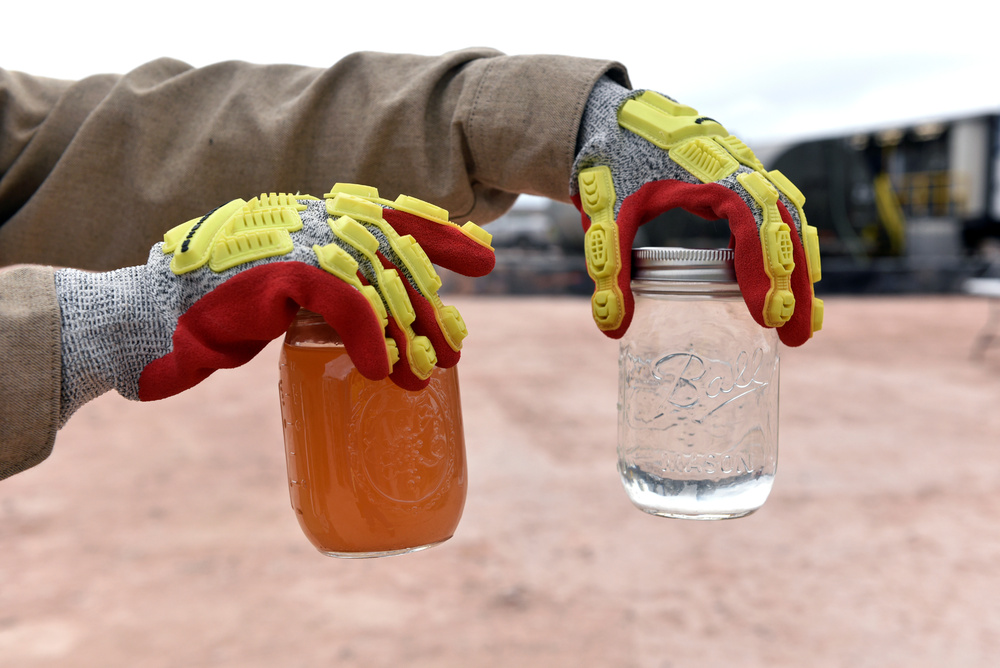
Wastewater that has been through a treatment plant is typically discharged into rivers. But there is a push to harness recycled water - or water "reuse" - to ease pressure on freshwater sources threatened by growing populations, pollution and climate change.
"Water reuse for sure will just increase and increase worldwide because there's no other option," says Richard Connor, editor-in-chief of the United Nations' World Water Development Report.
Namibia's capital, Windhoek, has been a pioneer since the 1960s, while Singapore has also developed a much-vaunted system. In western France, a potable water project is in the works.
Turning recycled water, also known as reclaimed water, into something you can drink is not the main purpose of the technology.
In Mediterranean countries, Mexico and Texas, reclaimed water is used for irrigation in agriculture, which consumes two thirds of freshwater abstractions around the world. Reclaimed water can also be used for industries, to clean streets or cool power stations.
There are two ways to turn wastewater into potable water.
It can be treated and then blended with freshwater in a surface reservoir or groundwater aquifer before undergoing additional treatment and being distributed.
But the other method, which is rarer, does not use such environmental buffers. Wastewater is purified and then sent directly to a drinking water distribution system.
"Water reuse is definitely part of the solution," Connor says. "It's a way to increase our supply. If you can reuse water several times, then you don't have to extract it from the source."
Recycling is less expensive and uses up less energy than desalinating seawater, which is considered another solution.
"It's better to jump on the train now," Connor contends. "The longer you wait, the more expensive it's going to be and the more difficult it's going to be. It's better to start right away."
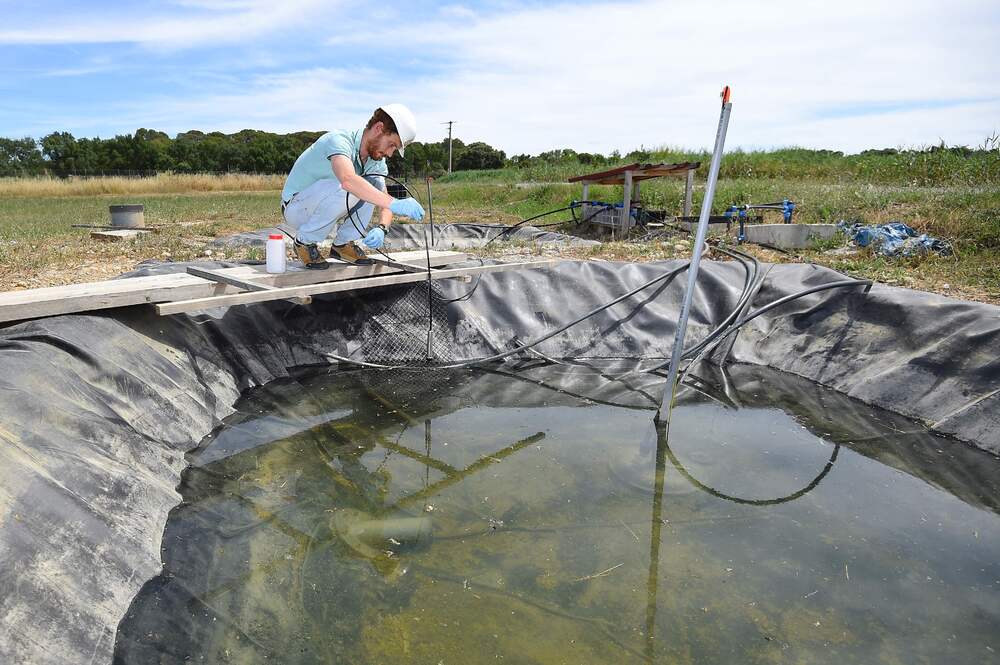
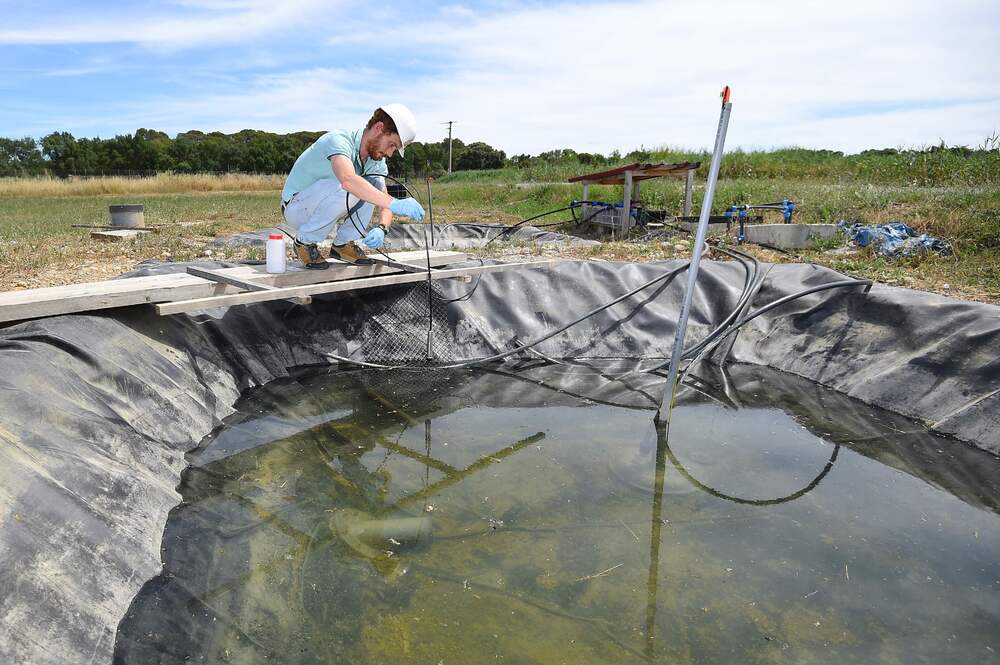
The western French department of Vendee is joining the fray, announcing plans last month to turn wastewater into potable water by 2024. The water will go though several stages of filtration and disinfection before being discharged into a reservoir.
"Everyone now understands we must be frugal with groundwater," says Nicolas Garnier of Amorce, an association of cities.
In the past two years, 90 percent of communities in France have had to restrict water use due to droughts, Garnier notes.
Europe represents a small percentage of the global recycled water market, according to Water Reuse Europe, a non-profit.
It is five times more expensive to treat wastewater than water from a river or a lake because it is much dirtier, Connor says.
More than 80 percent of the world's wastewater is dumped in the environment without treatment, especially in poor countries, according to a UN report, which called it an "untapped resource."
Connor adds: "We have to find ways, especially in developing countries that don't have the funds, to pay to treat water."
One way to reduce costs would be to take sludge from the treated water to obtain biogas or extract nutrients such as nitrogen and phosphorus, which can be converted into fertilizer.
But the "yuck factor is not just for drinking water," Connor says, even though the food people consume has been safely grown thanks to reused water.
He points out that astronauts on the International Space Station drink water that was recovered from the crew's sweat and urine. "No astronaut has ever gotten sick from the reuse of water," he argues.