Read More


The wonder of creativity | Chiang Oi-ling
27-08-2026 10:50 HKT

Postcard from Saint Pierre and Miquelon | La Vie en Rose | Joanne Chan
27-08-2026 02:48 HKT





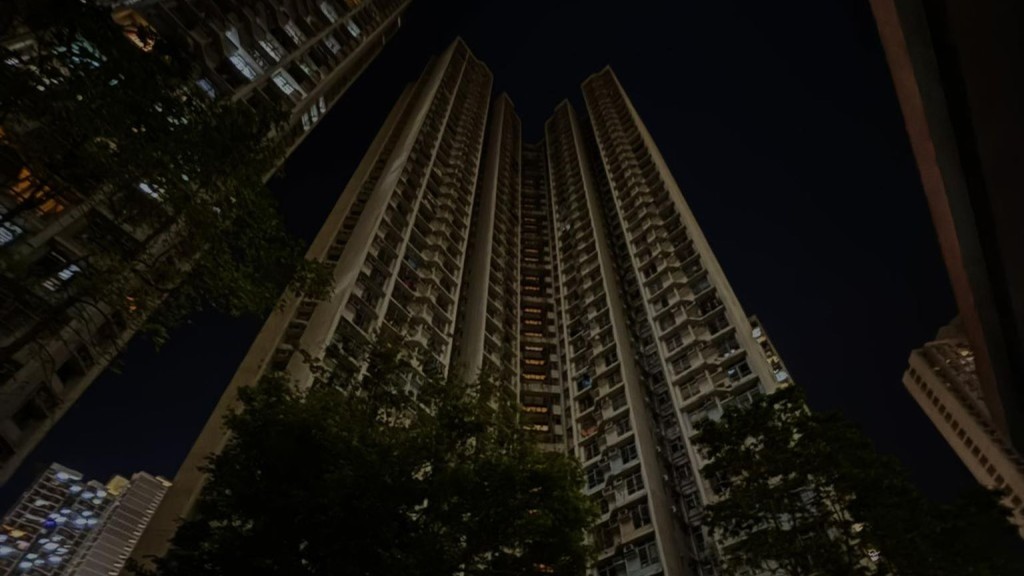
I have often praised the high level of reliability of our public utilities, among which power supply, with a reliability of 99.999 percent, is certainly at the top of my list.
But probably unique to Hong Kong, power interruption could be a serious problem to customers, especially those living in tall blocks. Once power is cut, lifts cease operation, making access to upper floors difficult. This poses significant challenges for residents, especially the elderly, not to mention the inconvenience on daily chores and activities such as cooking, washing and watching TV.
The power utilities have done their utmost to ensure power security, with dual-feed circuits designed to maintain supply power even if one fails, and with experienced engineers maintaining the system for the highest level of reliability. However, under the influence of El Nino, Hong Kong faces hotter, wetter weather and more frequent extreme weather events. Heavy rain, water seepage, and surging demand during heatwaves place mounting stress on electrical systems, especially in older buildings that have not kept up with modern standards.
In many cases, electricity reaches the building from the utility network, but a fault within the building's own electrical installation prevents the power from being distributed to residents. We have seen many cases where inadequate maintenance, water ingress or flooding led to supply interruption. When such incidents occur in a large residential block, the inconvenience could quickly become headline news.
To prevent small failures from becoming major disruptions, property owners and property management companies must take proactive steps. Regular inspection, preventive maintenance and timely asset renewal are essential amid more frequent extreme weather events.
Swift recovery depends on readiness. Property management companies should ensure that technicians are properly trained, essential spare parts are readily available, and emergency teams are able to arrive at the scene within minutes of incidents. While these measures may incur some extra costs, they will be far less than those incurred by the major repair and reinstatement work. Equally important is the need to check and ensure proper waterproofing of the key facilities such as switchgear and transformer rooms. Neglect in any of these areas will put them at risk.
When such serious incidents happen, collaboration becomes essential. While property management offices and their electricians remain responsible for repairing customer-owned installations, power utilities can provide technical advice, coordination support and temporary supply solutions where feasible. In more severe cases, especially where water damage has compromised equipment, specialized repair work is required. This involves fixing leaks, allowing the substation to dry out and restore proper electrical insulation. Affected equipment must be thoroughly dried and tested to ensure it is safe to resume high-voltage operation. In many instances, damaged components will need to be replaced, provided that management offices or their technical teams have sufficient spares on hand. Without the necessary expertise and readily critical spare parts, restoration can be significantly delayed.
Secure and reliable electricity is the general expectation of residents. Maintaining that reliability and enhancing city resilience, however, is a shared responsibility. Property management companies must take responsibility to ensure high reliability. But when challenges exceed their in-house capabilities, they need to shout out quickly to seek help.
Veteran engineer Edmund Leung Kwong-ho casts an expert eye over features of modern life