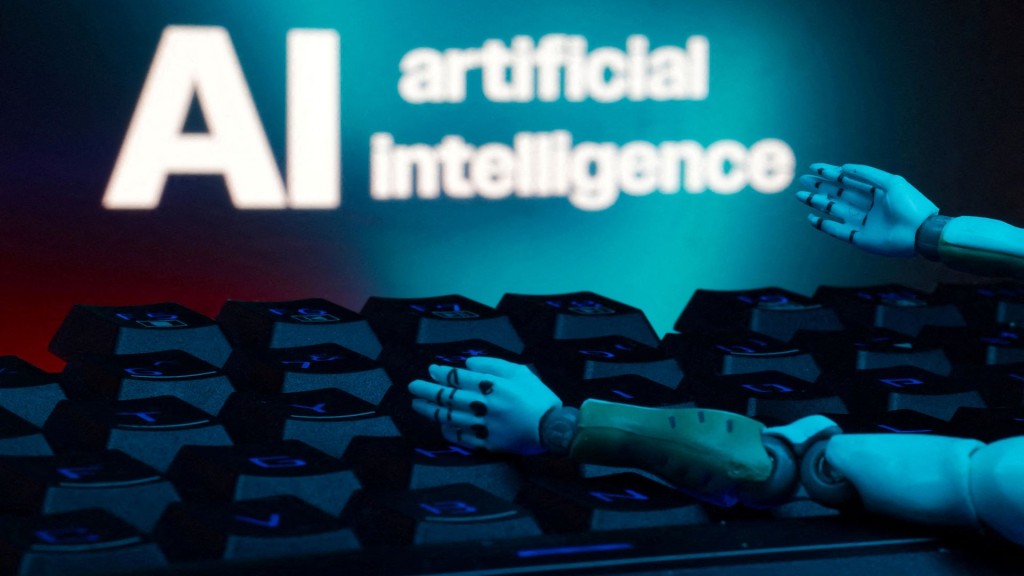
On July 6, Anthropic’s research team published a paper titled “Verbalizable Representations Form a Global Workspace in Language Models.” In plain words, it says that Claude has a small thinking room inside it. While nobody built this room on purpose, it grew on its own while the model was trained. Anthropic named this small room J-space.
The mechanism is similar to that in brain science. Most of what your brain does happens without you noticing, like walking or blinking. But a few thoughts get pulled into a special space where you can talk about them, focus on them, and use them in many ways. Scientists call this the global workspace. The paper asks a question: Does Claude have something like that? The answer looks like a yes.
J-space, similar to the global workspace in brain science, sits in the middle layers of the model, roughly layers 38 to 92 in Claude. It is tiny, less than 10 percent of all the activity, and it holds maybe 20 to 30 ideas at once, and everything in it can be expressed in human words. While easy tasks like grammar or quick facts barely touch it, the hard thinking lives here.
The findings are striking. For example, when asked about how many legs a web-spinning animal has, the word “spider” lit up inside, even though the final answer was just “eight.” But if researchers swap spider for ant in J-space, the answer flips to six. In questions about France, if they intervened in J-space and changed France to China, the capital, language, and currency all updated together to those of China. This is very similar to the mechanism of the global workspace in the human brain.
Markets immediately reacted with a “wow.” Does this mean artificial intelligence thinks the same way humans do and has feelings? Anthropic’s researchers responsibly stated that the findings only show Claude reasons in discrete steps, not that it has feelings. Shh … stay quiet. The AI party needs the hype to keep going.
Allen Au is a tech startup founder, AI architect, and YouTuber