In the beginning was the word, bringing forth light. From this light, the Arab mind was formed, cherishing learning and yearning for knowledge.
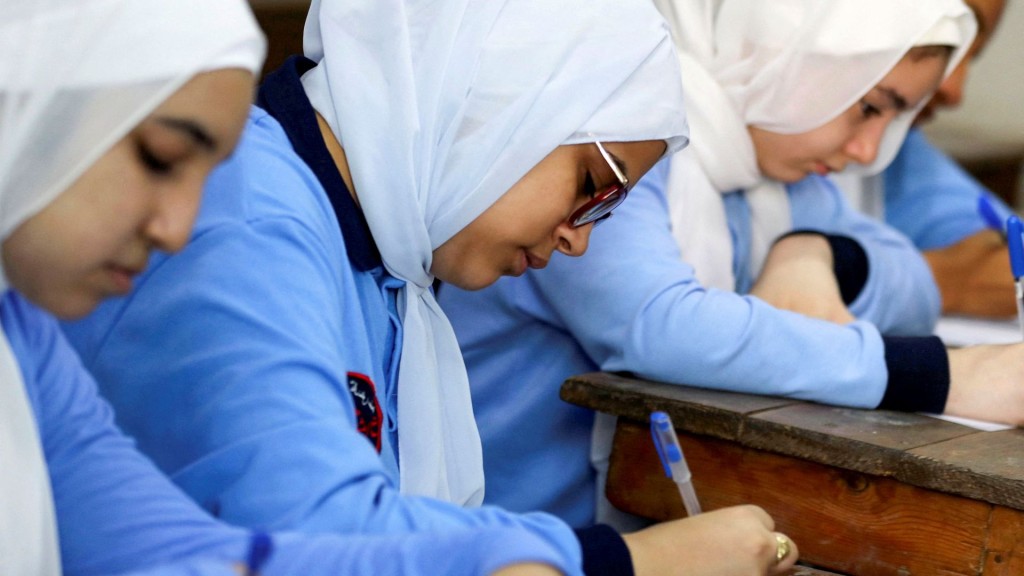
Arab civilization glorified knowledge as the pillar of minds, bodies, and nations. Early Arabs said: “Seek knowledge from the cradle to the grave,” making life a lifelong journey where wisdom quenches human thirst. They also said: “Seek knowledge even in China,” urging us to make knowledge an ultimate goal, despite the distance or alienation from home.
In modern times, the poet, Ahmed Shawqi, said: “With knowledge and wealth, people build their realms; no realm is built on ignorance and poverty” – a call to build modern civilization on knowledge.
Amid this profound respect for learning, the teacher’s role emerged as pivotal, surrounded by an aura of veneration bordering on sanctity. Teachers carry the torches that illuminate dark minds. Shawqi also wrote: “Stand and honor the teacher, for the teacher is almost a prophet.”
Our heritage abounds with stories reflecting students’ immense respect for teachers, regardless of the student’s rank. History tells of Al-Amin and Al-Mamun, sons of Caliph Harun Al-Rashid, racing to carry their teacher’s shoes. Even as Caliph, Al-Mamun humbly attended scholars’ gatherings.
Unsurprisingly, we were raised on the saying: “Whoever teaches me a letter, I become his slave.” I recall that as a student, we never shared an elevator with professors. When they passed by, we stopped walking and bowed our heads in reverence.
Knowledge is precious. Sociologist Ibn Khaldun advised: “Do not teach knowledge to the lowest of people,” referring not to the poor, but to the malicious and foolish.
Misplaced, this supreme trust becomes a tool for base desires, humiliating the honorable, and settling scores.
As long as minds endure hardship seeking truth, our nation will thrive – nurturing letters, venerating teachers, and entrusting knowledge only to the pure and noble.
Amjad Refai is the director of the Arabic Programme at the University of Hong Kong