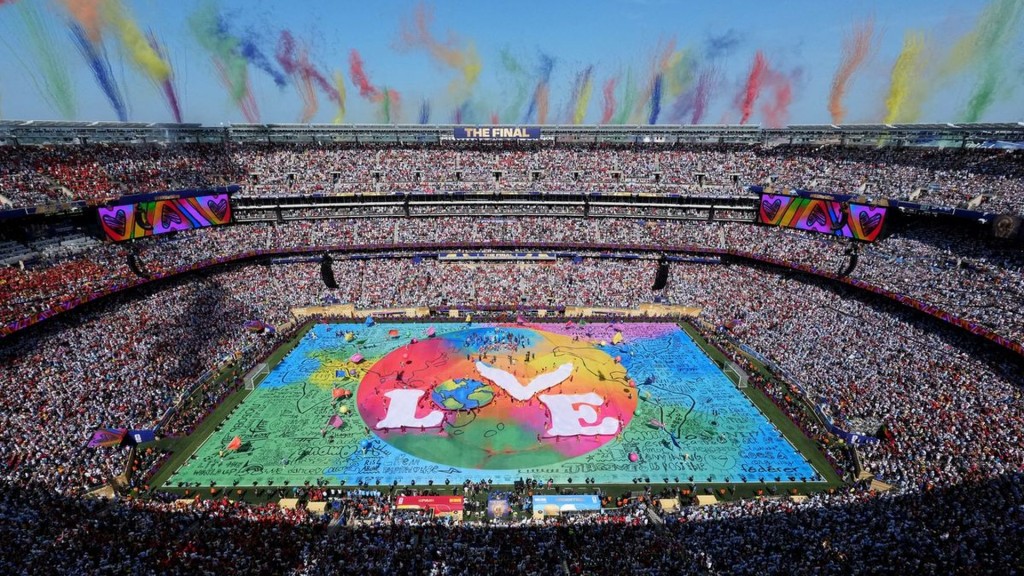
The 2026 FIFA World Cup, co-hosted by the United States, Canada, and Mexico, has concluded, leaving Hong Kong swept by a wave of football fever. The entire city was gripped by excitement – people of all ages passionately discussed matches on the streets, fans packed bars to watch games overnight, crowds gathered in front of large mall screens, and sales of jerseys and souvenirs soared. This quadrennial event has long transcended sport, becoming a powerful platform that connects the world and drives economic and social development.
Analysts estimate the tournament contributed around US$45 billion (HK$351 billion) to global GDP, attracted nearly 6.5 million spectators, and created 824,000 full-time jobs, boosting sectors such as hospitality, retail, and transportation. Even this year’s Super Bowl generated approximately US$720 million in economic activity for the San Francisco Bay Area. Large-scale sporting events are proven economic catalysts, provided they are integrated with a city’s long-term development strategy.
Hong Kong has built strong experience in the mega event economy. The Kai Tak Sports Park successfully hosted the Hong Kong Sevens, reinforcing our image as an “Events Capital.” The Standard Chartered Hong Kong Marathon also set a new record with 74,000 participants, including a high proportion of overseas runners.
However, sustaining the impact of major events requires more than hardware. Public enthusiasm, athlete talent development, and whole-of-society participation are essential to give these events real soul and lasting value.
The mega event economy is not just about boosting consumption – it is a vital strategy for enhancing a city’s international reputation and strengthening social cohesion. The passion shown by Hong Kong people during the World Cup highlights the immense potential of the mega event economy. Opportunities favor those who are prepared. I hope the government and the industry will work closely together to establish Hong Kong as a world-renowned “Events Capital.” I also look forward to the day when the World Cup comes to the Greater Bay Area.
The Honorable Jeffrey Lam Kin-fung is a non-official member of the Executive Council and chairman of the Vocational Training Council