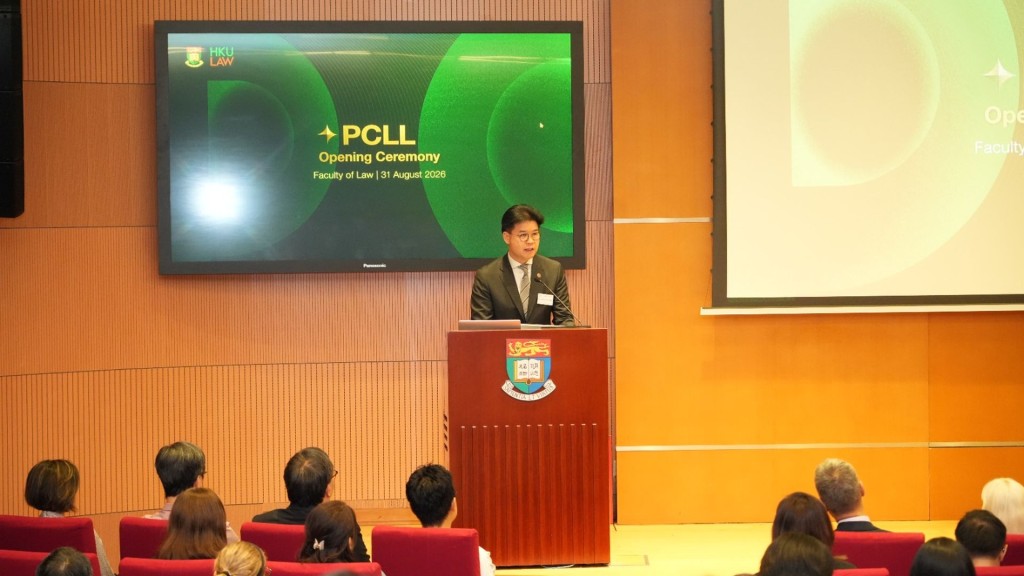
I attended a seminar organized by the Construction Industry Council and was amazed, as a veteran engineer, to see that AI applications have been fast developing in the construction industry.
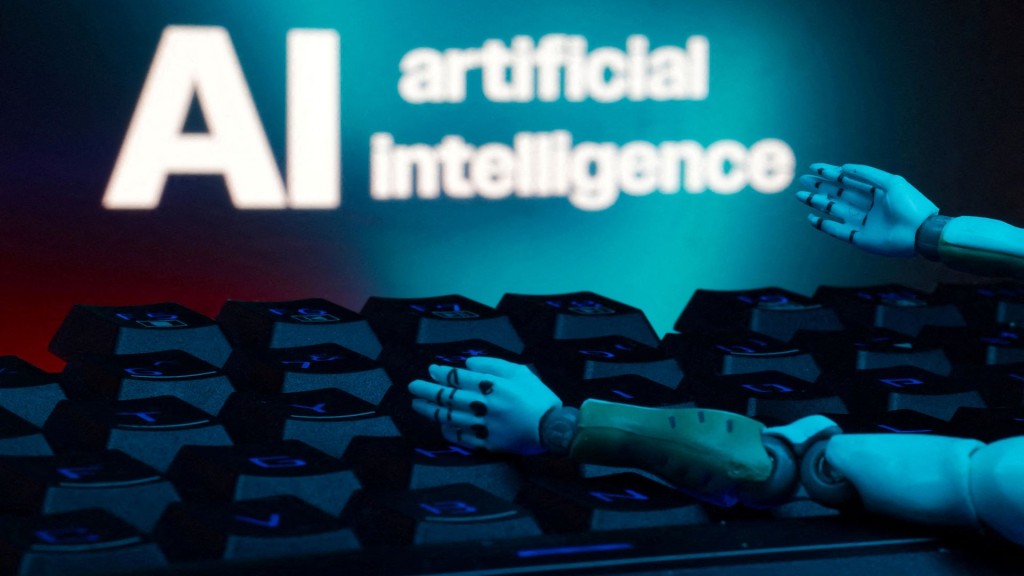
Application of artificial intelligence is now common in most sectors of our business community. Our construction industry had traditionally relied on old-school technology and craftsmanship for many decades, partly due to traditional culture, but also due to the stringent requirements imposed by the authorities. But we are now catching up fast, and should help to improve efficiency, safety, and quality.
The seminar invited three industry practitioners to present their cases for AI application for sharing. The use of AI in formwork is a natural choice. Formwork and metal scaffolding work are repetitive in nature and lend themselves to the application of AI to check inventory, to apply standard design to simplify the assembly of components, and to propose the best location to help construction.
For building designs, AI helps to enhance the use of building information modeling or BIM for design work in buildings, especially in laying out building services to minimize conflicts. It also facilitates showing clients actual layouts which would be difficult to visualize from drawings, as they usually consist of plans and elevations. Whenever changes and modifications occur, it helps to redesign the layout swiftly and accurately with a clear view of the final product.
For construction work, not only does it provide an up-to-date picture of the actual construction process but it allows project managers to see that all activities are conducted safely, thus minimizing worker injury. It also helps in avoiding the need for rework and defect correction – often the cause of cost and time overrun. Moreover, it helps to show actual cash position on a dashboard, helping contractors monitor cash flow – the vital factor affecting the viability of contracts.
But more importantly, AI allows small and medium enterprises, the main bulk of the organizations in the construction sector, to manage their business. Instead of having to staff up to cover a full range of tedious and repetitive processes – accounting, managing progress, and preparing tenders – such work can be performed by AI.
At the seminar, questions were raised as to how organizations can migrate from manual methods of management to AI-aided control without affecting the livelihood of non-specialized staff.
The general consensus was that it is not an option but a necessary migration of skills for survival and sustainability. Staff members must understand the need to upskill and leave the repetitive and boring work to AI, so they can smartly spend their time and effort on development of new skills to keep up with the highly competitive world.
It reminds me of a statement a professor friend of mine recently taught me. Whether AI or a computer, these are just tools to help us. We need to ask ourselves whether we can get by if the tool breaks down or other unforeseen scenarios. If we cannot do work without such tools, we deserve to bear the risk of being replaced by AI.
Upskilling to the latest technology has become the main direction of our workforce. Failure and neglect to adopt and harness them will risk our livelihood.
Veteran engineer Edmund Leung Kwong-ho casts an expert eye over features of modern life