Read More




The Central Asia visit is just the beginning | High-flier | Jeffrey Lam
09-06-2026 05:24 HKT

Can the market keep up with mega IPOs? | Cash Call | Andrew Wong
08-06-2026 04:48 HKT




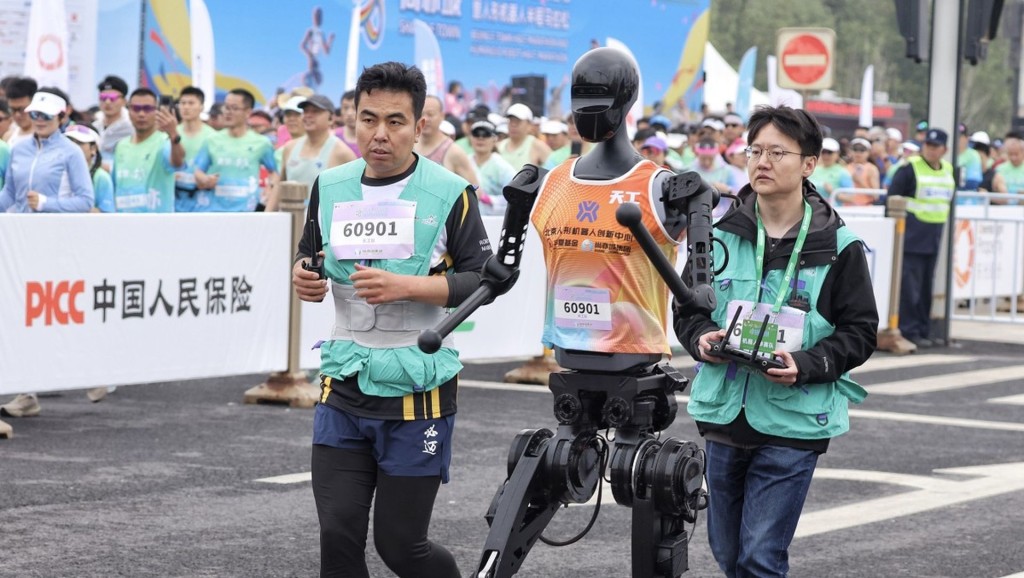
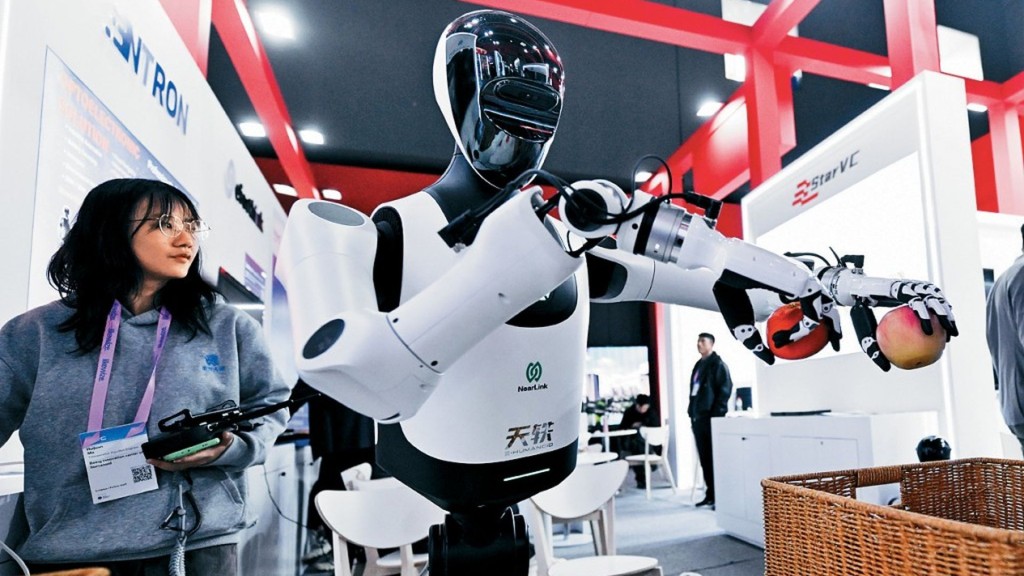
Beijing staged a landmark test of embodied artificial intelligence last week, with more than 300 humanoid robots joining 12,000 human runners in the 2026 Yizhuang Half Marathon, underscoring China’s accelerating push to integrate robotics into real-world settings.
Leading the field was “Lightning,” developed by Shenzhen-based Honor Smart Technology, which clocked a net time of 50 minutes and 26 seconds in autonomous navigation mode. Alongside the second- and third-place finishers, all operating without remote control, the top performers demonstrated endurance and decision-making that signal rapid advances in robotic mobility.
Participation expanded nearly fivefold from the inaugural race, drawing teams from 13 provinces, top Chinese firms such as Unitree and Songyan Dynamics, and more than 20 universities, including Tsinghua and Peking University. International entries from Europe and Latin America also competed. Notably, nearly 40 percent of participants competed in fully autonomous mode, a record high.
The 21.1-kilometer course combined urban roads, racetracks, and park terrain, featuring steep inclines, sharp turns, and obstacles designed to test perception, balance, and battery efficiency. New rules rewarded autonomy over remote operation, encouraging genuine technological progress.
Standing 169 centimeters tall, the winning robot featured an aerodynamic design, proprietary high-speed motors, and liquid cooling systems derived in part from smartphone engineering expertise. This year, 47 teams completed the race, a sharp improvement over last year – underscoring gains in reliability and algorithmic performance.
Beyond sports, the event serves as a live testing ground for Beijing’s robotics ambitions. By linking competition to industry development, the city is accelerating the deployment of smart city services, healthcare, and manufacturing.
The race also hints at a broader shift: robots moving from controlled industrial settings into everyday urban life, where they may soon assist in public services and emergency response. For Beijing, the finish line marks not only speed but also a step closer to a human-machine future.
Francis Fong is a Hong Kong IT and Telecom expert who frequently represents the industry in public discussions about innovation, digital transformation, and technology policies