Read More



World Cup 2026 reflects impact of mega events | High-flier | Jeffrey Lam
21-07-2026 02:05 HKT

What we bring: critical thinking | Human Reinvented | Frank Ng & Ryan Ng
21-07-2026 01:52 HKT



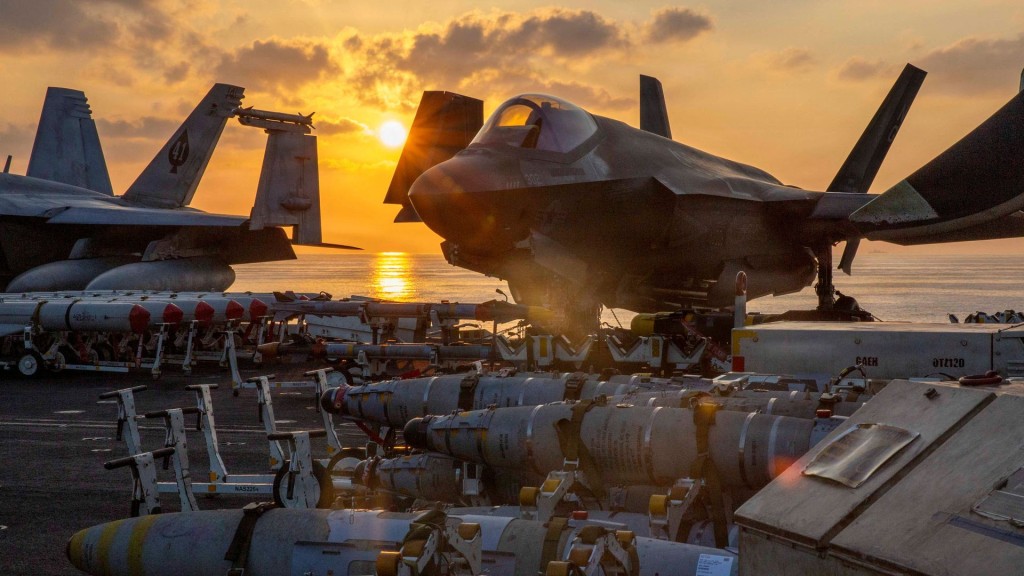
America’s war with Iran has thrown into question what remains of the so-called rules-based international order. Victors of World War II led by the US and its allies created the international order, which included the United Nations, in 1945 when the war ended.
Countries agreed to abide by the UN Charter, which contains key points such as not using force against other nations, peaceful settlement of disputes, and maintaining global peace. The rules-based global order held steady for decades but is becoming increasingly frayed in recent years.
Former US President George W Bush did not get UN approval for invading Afghanistan in 2001 but justified it as self-defense after the 2001 September 11 terrorist attack against the US. The international community, shocked by the terrorist attacks, generally supported the invasion.
Bush tried to get the UN to authorize force against Iraq in 2003 but faced a threatened Security Council veto. He then formed a so-called coalition of the willing, of mostly Western nations, to invade Iraq. The US and Israel did not try to get UN approval when they jointly started bombing Iran on February 28.
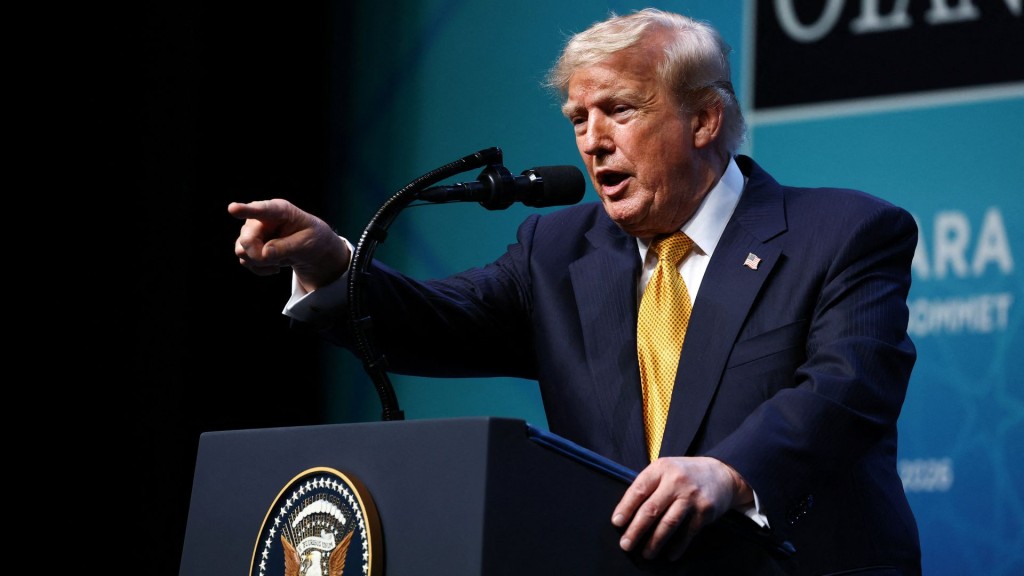
Only the US Congress has the right to authorize the country going to war, but President Donald Trump did not seek congressional approval. Critics have accused him and Israel’s Prime Minister Benjamin Netanyahu of launching a war of choice. Israel has bombed countries in the region before without UN approval.
Trump and his top officials have openly mocked the UN. He did not seek UN approval for sending the US military to capture Venezuela’s leader Nicolas Maduro. US Defense Secretary Pete Hegseth recently used bellicose language to make clear the US will no longer follow “stupid rules of engagement” in wars, adding America will fight to win. Critics see this as the US declaring that might is right.
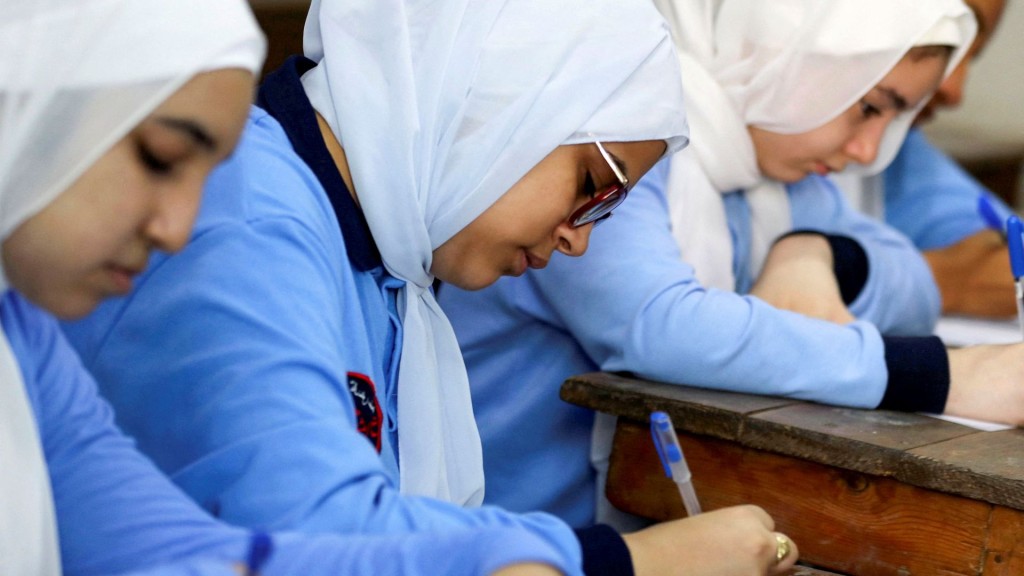
Initial investigations show the US bombed an Iranian school for girls on the first day of the attack, killing about 160 civilians, mostly children. The killing of civilians violates the UN Charter and rules of engagement in wars. But the reality is that civilians are often casualties of war. I believe the school bombing was an accident instead of a deliberate act despite Hegseth mocking war rules.
Trump openly said Cuba could be next after Venezuela and Iran, telling Secretary of State Marco Rubio – the son of Cuban immigrants – to prepare for that. Numerous polls show both the Iran war and Trump are deeply unpopular. The war is estimated to cost about US$1 billion (HK$7.8 billion) a day. Trump’s war has spiked oil and other prices at a time when many Americans care more deeply about making life affordable.
But it seems Trump’s focus is more on creating a new world order with the US calling the shots. He said during presidential campaigns that the days when the US was the world’s policeman are over. But his capture of Maduro, attack on Iran, and threats against Cuba show he wants to be the global policeman.
Michael Chugani is a longtime journalist who has worked in Hong Kong, the US, and London