Read More


The Death of Late Night? What Colbert’s Final Bow on May 21 Means for TV
18-05-2026 21:09 HKT



ImmD crackdown targets moonlighting domestic helpers arresting 17
19-05-2026 17:52 HKT
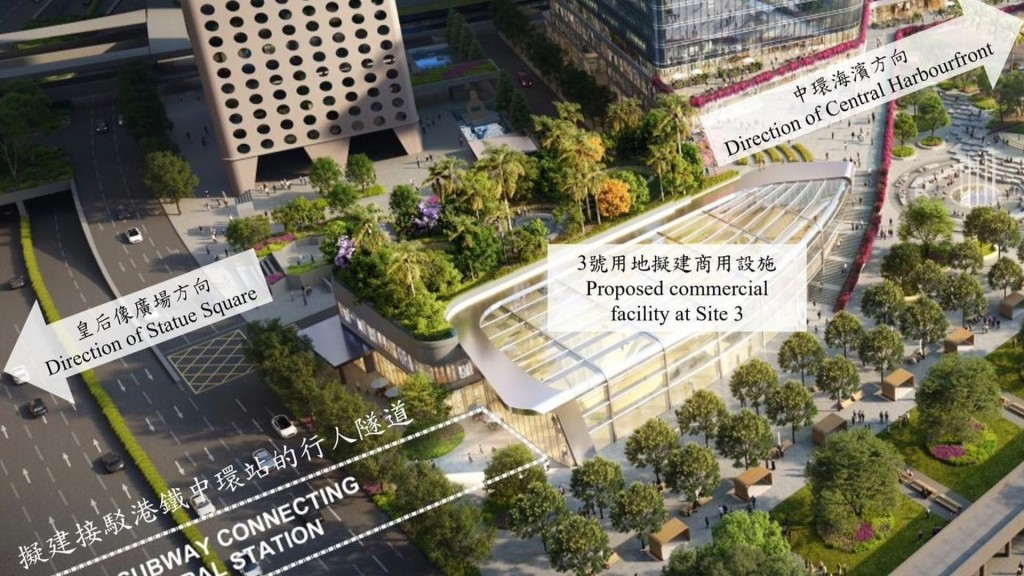


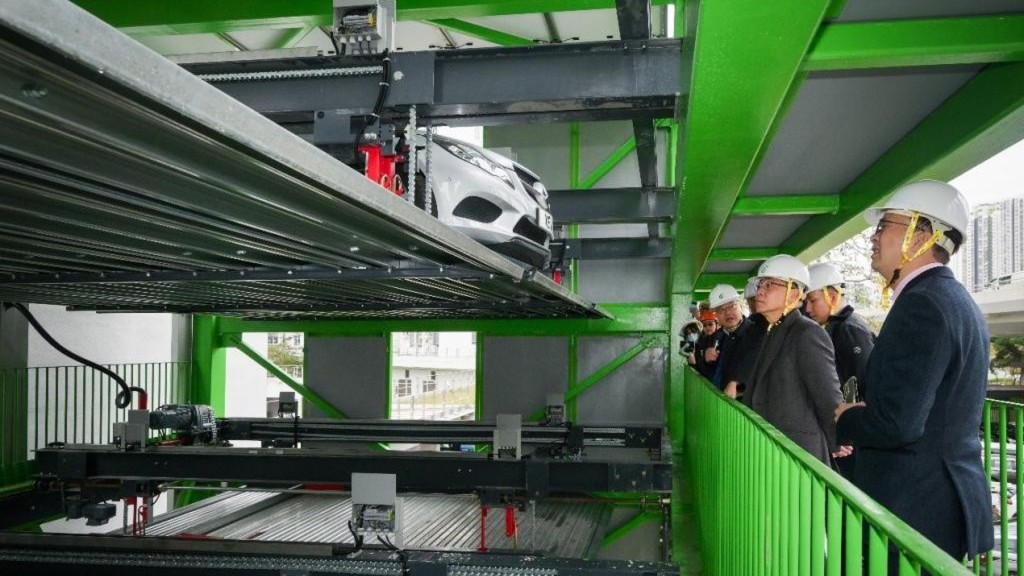
Hong Kong, like many congested cities, lacks adequate spaces for car parking.
Car park spaces on the sides of streets have gradually been replaced by multistory car parks. Even then, they still do not provide enough supply to meet the demand for work and leisure.
Land space and costs are the main issues. Car park sites cannot compete with residential and commercial space, even in basements or upper floors. The revenues they generate are not competitive enough to justify their place. Hence, commercial and residential buildings only provide the minimum number of parking spaces to meet the requirements imposed by the Lands Department. It is estimated that, for each underground parking space, the current cost of construction could reach HK$1 million; even for multistory car parks, the cost of each car park space could be a third of this amount.
To increase parking capacity in car parks, the traditional way was to employ valet parking systems, with valet drivers or “runners” shuffling vehicle surplus to the car park spaces on access roads to boost capacity. But owners of expensive cars are not happy to leave their treasure in the hands of strangers, especially when they keep some of their belongings in the car after parking.
With the advent of technology, various types of mechanized car park systems are starting to operate, with the aim to provide more capacity without using valet parking. Owners and drivers feel more comfortable leaving their cars locked, with their valuables secured inside, when they hand over their vehicles to a car park attendant. It also saves labor costs.
The earlier system uses the tried-and-true lifts and platforms to park cars in a fixed grid system. This has now been successfully proven in public car parks in Cheung Sha Wan and in the Tseung Kwan O Government Offices.
But with this system, for maximum space efficiency, there are some limitations on vehicle size and dimensions. A standard lift and platform system generally caters to vehicles under 5 meters in length and weighing less than 2 tonnes. With the increased popularity of battery-powered seven-seaters – with lengths over 5.3 meters and weighing over 2.5 tonnes – these large vehicles will need to be diverted to other spaces specially allocated for them.
Another system, which involves using undercarriage bogies to move vehicles to their parking space, is now in use in the Hong Kong-Zhuhai-Macao Bridge Hong Kong Port car park. Cars are driven on a lift which then dispatches them to various floors; once on the parked floor, undercarriage bogies lift the cars up for quick and easy transfer to final locations.
Modern technology using photoelectric cells and lidar – a remote sensing method – guides the parking and maneuvering. So far, the system has been working without incidents. With this system, cars can be stored and stacked much more efficiently as they can be placed close to each other without having to allot access paths for people.
It looks like multistory car parks with mechanized parking will be our future. Space efficiency can be improved at least twofold, and parking and retrieval time can be shortened. Drivers will no longer need to negotiate a few floors up the ramp slowly in the narrow lanes to find empty spaces among a long row of parked cars, and they can now wait comfortably in the holding area on road level to retrieve their vehicles.
Veteran engineer Edmund Leung Kwong-ho casts an expert eye over features of modern life