Read More






The Death of Late Night? What Colbert’s Final Bow on May 21 Means for TV
18-05-2026 21:09 HKT


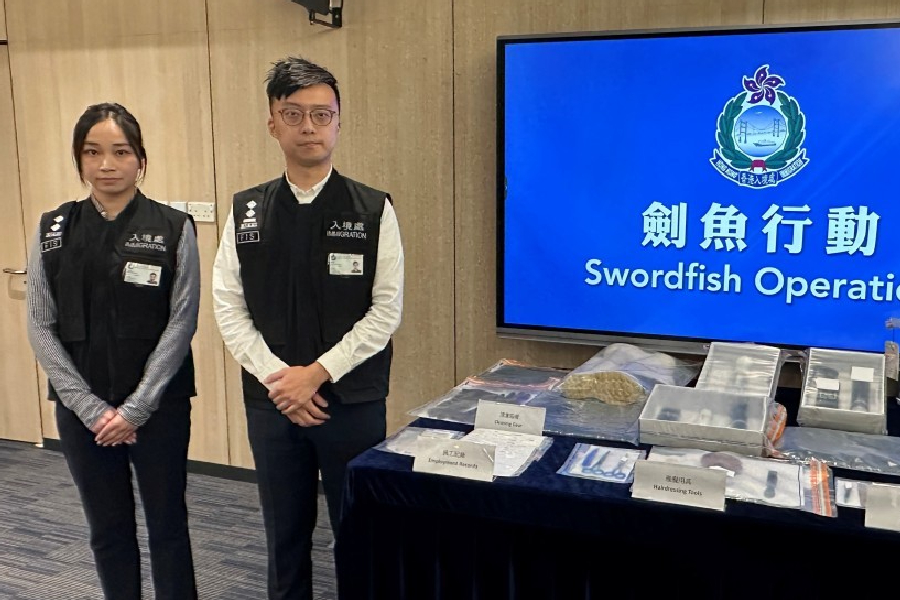
ImmD crackdown targets moonlighting domestic helpers arresting 17
19-05-2026 17:52 HKT


We have seen a very wet summer this year, and torrential rain had been a common occurrence, not only in Hong Kong, but in many parts of China.
The heavy rain caused widespread floods in low-lying areas and inevitably resulted in a lot of damage to properties.
For Hong Kong alone, the hoisting of Black Rainstorm Warning Signals had been frequent, and on August 5, some areas even received a record rainfall level of over 360 millimeters, severely stressing our storm drainage system.
The Drainage Service Department had been doing an effective job in combating floods. As we live in a small city area with hilly terrain, allowing the full flow of surface run-off water into the clean water drainage system will often overload them during the severe rainy season.
The department has adopted a three-pronged flood prevention strategy, with stormwater interception in the upstream, flood storage in the midstream, and drainage improvements in the downstream, to address the problem in urban areas.
In particular, the urban flood interception and storage scheme can intercept and divert part of the stormwater from upstream areas into adits and tunnels at mid-hill levels, bypassing the urban strips to discharge them further downstream to the coast.
The four drainage tunnels are located in Western Hong Kong Island, Lai Chi Kok, Tai Tak and Tsuen Wan, with a total length of about 21 kilometers. The largest one, the Western Hong Kong drainage tunnel, is 7.2 meters in diameter and spans over 10km in length.
Additionally, five huge flood storage tanks have been built in critical areas – Tai Hang Tung, Sheung Wan, Happy Valley, On Sau Road and Anderson Road Quarry site – to temporary store stormwater during heavy rain. With a total capacity of approximately 250,000 cubic meters, they can hold excess stormwater during intense rainfall events, allowing for controlled discharge and minimizing overloading of the downstream drainage system.
But even with these precautionary measures, it could hardly cope with the ever-increasing volume of deluge in recent times, and some underground car parks and highway sections in low-lying areas occasionally got flooded in the worst times.
Additional measures are therefore in place to combat these floods.
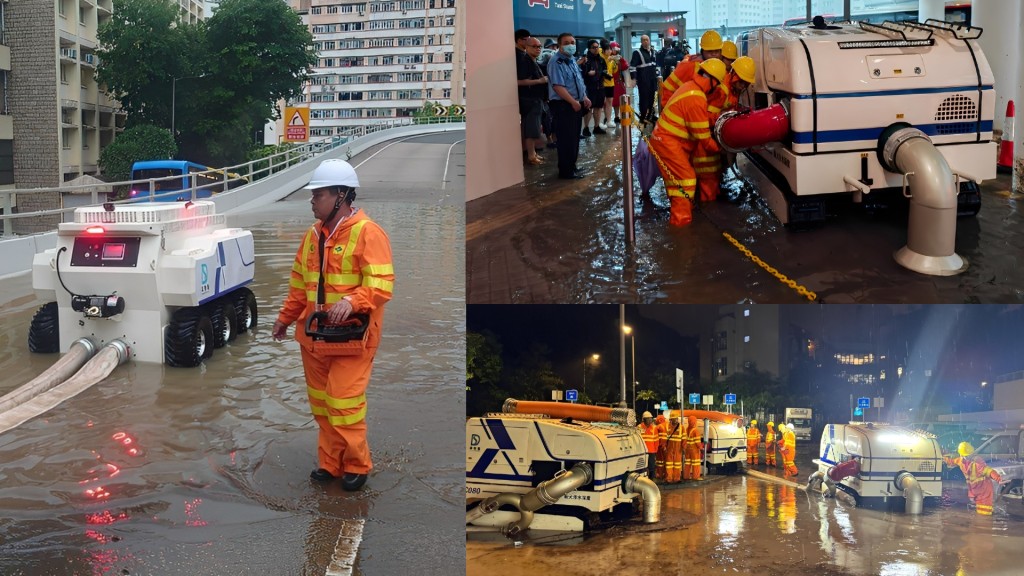
Emergency response teams are mobilized to implement the “just-in-time clearance” arrangement prior to heavy rainfalls to inspect and clear some 240 drainage points in Hong Kong which are prone to blockages. More recently, they have also introduced and deployed high capacity pumping equipment, including a new fleet of mobile power pumping robots, to enhance emergency flood preparedness and efficiency of flood response operations.
These robots feature an integrated design with built-in pumps, engines and control systems. Compared to traditional pumping equipment, these robots are more compact and highly mobile. They can rapidly remove floodwater from flooded sites and discharge them into nearby stormwater drainage systems via temporary hoses.
The most powerful model, named “Long Xi Shui,” meaning dragon swallows water, is a remotely operated robot capable of pumping up to 800 cubic meters per hour. This can drain a standard Olympic-size swimming pool in less than three hours. Its caterpillar tracks enable it to navigate complex terrain such as slopes, making it suitable for use in diverse environments.
Designed for long operation, the robot can run continuously for eight hours on a single tank of diesel. It offers 10 adjustable pumping levels, and the operator can gradually increase the pumping rate from level 1 based on actual conditions.
Other mobile powerful pumping robots, equipped with a set of four to six rubber tires, are also deployed to suit various site conditions. With pumping capacities ranging from 500 to 700 cubic meters per hour, they also offer high mobility. One of them is amphibious, which can operate while floating on the flood, making it ideal for handling serious flooding incidents, such as underground car parks.
These pumping robots have proven to be extremely effective during recent adverse weather incidents. They were pre-deployed to flood-prone locations, such as the Chai Wan Road Roundabout and low-lying coastal area at Lei Yue Mun, ahead of forecasted heavy rain. Their timely deployment helped to swiftly clear floods, minimizing damage to properties and ensured the rapid reopening of key nodes in our road network.
Like many parts of the world, we have no alternative but to face severe weather. Systems that were designed to deal with the weather previously may need regular updating to meet current requirements. The use of robots significantly reduces the load and enhances safety for emergency teams dealing with flooding emergencies, and this again demonstrates a successful case of how effective deployment of resources and judicious use of new technology can improve our city living.
Veteran engineer Edmund Leung Kwong-ho casts an expert eye over features of modern life