As more companies sell tickets to space, the question looms: who gets to call themselves an astronaut?
It's already a complicated issue and about to get more so as the rich snap up spacecraft seats and even entire flights for themselves and their entourages.
Astronauts? Amateur astronauts? Space tourists? Space sightseers? Rocket riders? Or as the Russians have said for decades, spaceflight participants?
NASA's new boss, Bill Nelson, doesn't consider himself an astronaut though he spent six days orbiting Earth in 1986 aboard space shuttle Columbia - as a congressman. "I reserve that term for my professional colleagues,'' he said recently.
Computer game developer Richard Garriott, who paid his way to the International Space Station in 2008 with the Russians, hates the space tourist label. "I am an astronaut,'' he has declared.
"If you go to space you're an astronaut,'' says Axiom Space's Michael Lopez-Alegria, a former NASA astronaut who will accompany three businessmen to the ISS in January, flying SpaceX. His clients, paying US$55 million (HK$427.7 million) a seat, plan to conduct research up there, he stresses, and they do not consider themselves tourists.
There's something enchanting about the word astronaut. It comes from the Greek words for star and sailor. And swashbuckling images of The Right Stuff and NASA's original Mercury 7 astronauts make for great marketing.
Jeff Bezos' rocket company, Blue Origin, is already calling its future clients "astronauts." It's auctioning off one seat on its first spaceflight with people on board, targeted for July. NASA even has a new acronym: PAM, for Private Astronaut.
Retired NASA astronaut Mike Mullane didn't consider himself an astronaut until his first space shuttle flight in 1984, six years after his selection by the administration.
"It doesn't matter if you buy a ride or you're assigned to a ride,'' says Mullane. Until you strap into a rocket and reach a certain altitude "you're not an astronaut."
It remains a coveted assignment. More than 12,000 applied for NASA's upcoming class of astronauts; a lucky dozen or so will be selected in December.
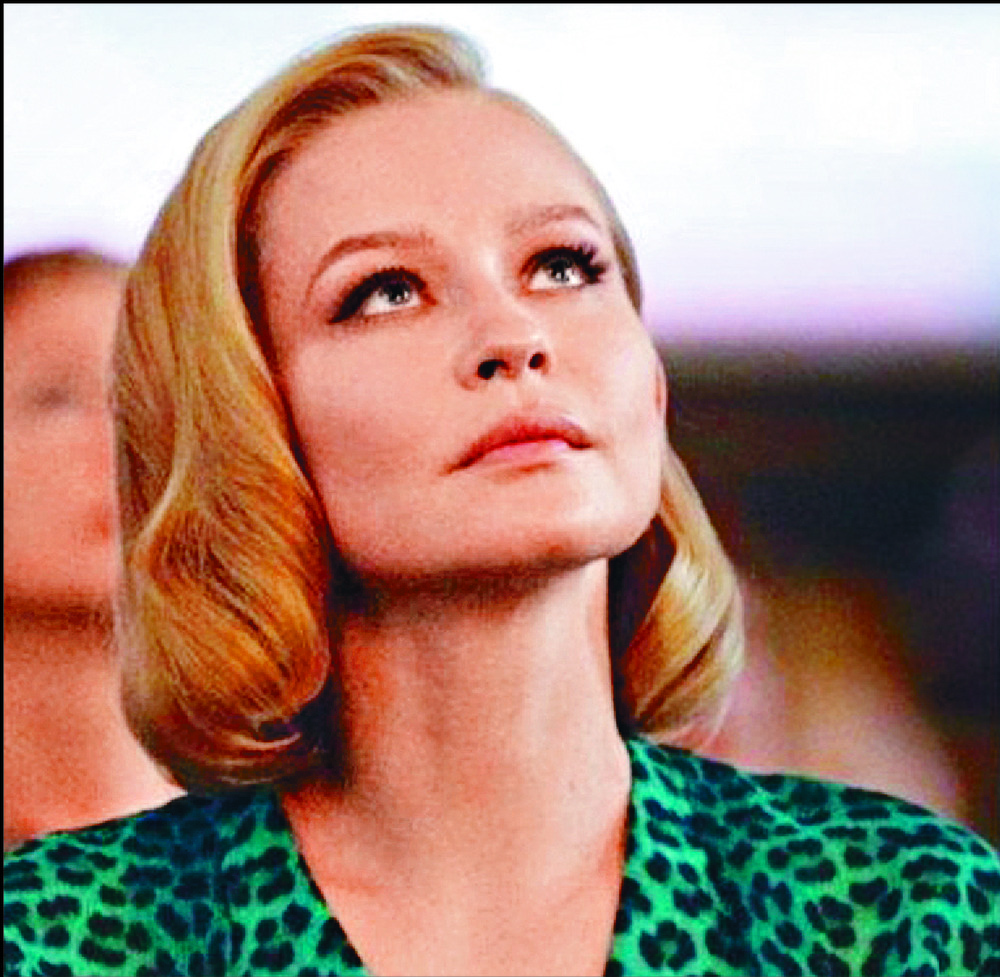
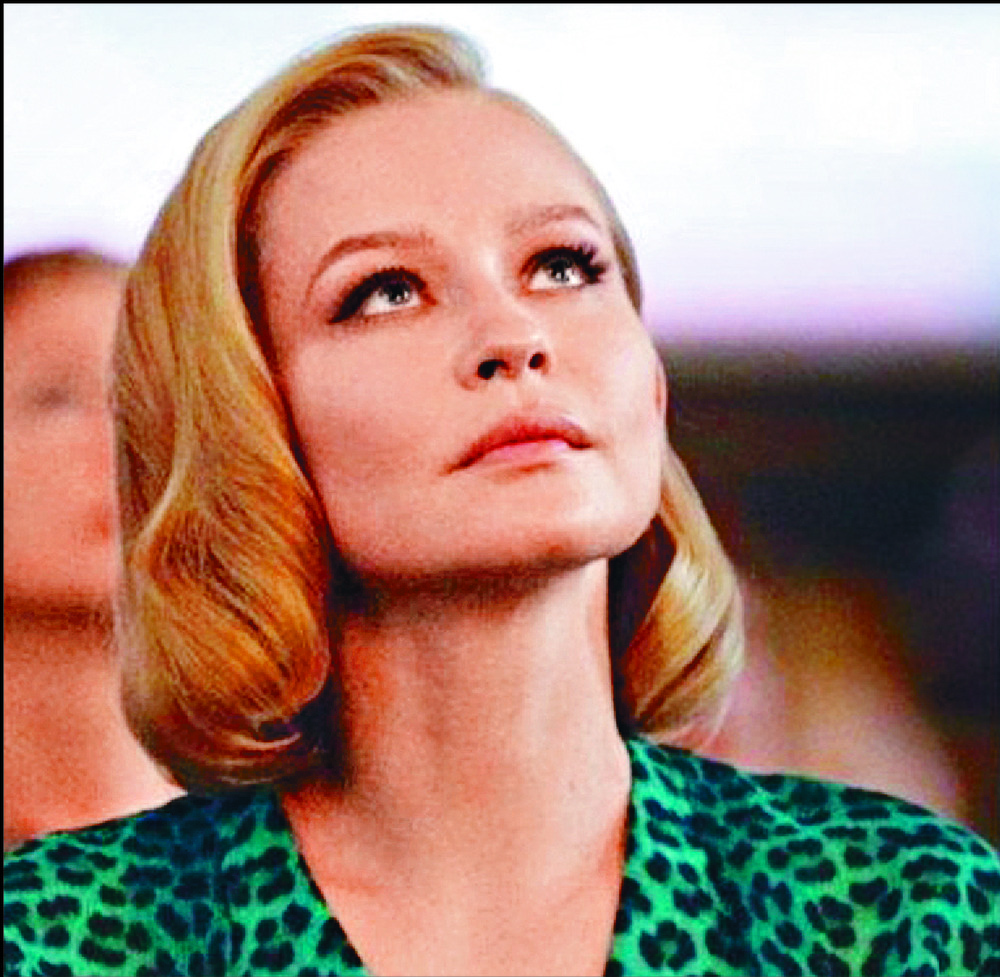
But what about passengers along for the ride, like Russian actress Yulia Peresild who will fly to the space station in October? Or Japan's moonstruck billionaire who will follow them from Kazakhstan in December with his production assistant in tow? In each case, a cosmonaut will be in charge of the Soyuz capsule.
SpaceX's capsules are completely automated - as are Blue Origin's. So should rich riders and guests be called astronauts even if they learn the ropes in case of an emergency?
Perhaps even more important, where does space begin?
The Federal Aviation Administration limits its commercial astronaut wings to flight crews. The minimum altitude is 80 kilometers. It's awarded seven so far.
Others define space as beginning at 100 kilometers.Blue Origin's capsules are designed to reach that threshold and provide a few minutes of weightlessness before returning. By contrast, it takes 1 hours to circle the world. The Association of Space Explorers requires at least one orbit of Earth for membership.
The Astronauts Memorial Foundation honors all who sacrificed their lives for the US space program even if they never reached space, like Challenger schoolteacher Christa McAuliffe and a test pilot killed in a 2014 Virgin Galactic crash. Also on the Space Mirror Memorial: X-15 and F-104 Air Force pilots who were in a military space program that never got off the ground.
The debate has been around since the 1960s, says Garriott. His late father, Owen, was among the first so-called scientist-astronauts hired by NASA. Test pilots in the office resented sharing the job title.
It might be necessary to retire the term altogether once hundreds if not thousands reach space, says Fordham University history professor Asif Siddiqi, the author of several space books.
Mullane, the three-time space shuttle flier, says that in the end "astronaut is not a copyrighted word. So anybody who wants to call themselves an astronaut can call themselves an astronaut whether they've been in space or not.''
ASSOCIATED PRESS
Dennis Tito flying to the International Space Station in 2001 as the world's first space tourist. Right: Tom Cruise, who's headed out to space in October, and Yulia Peresild.