Read More





World Cup 2026 reflects impact of mega events | High-flier | Jeffrey Lam
21-07-2026 02:05 HKT

What we bring: critical thinking | Human Reinvented | Frank Ng & Ryan Ng
21-07-2026 01:52 HKT
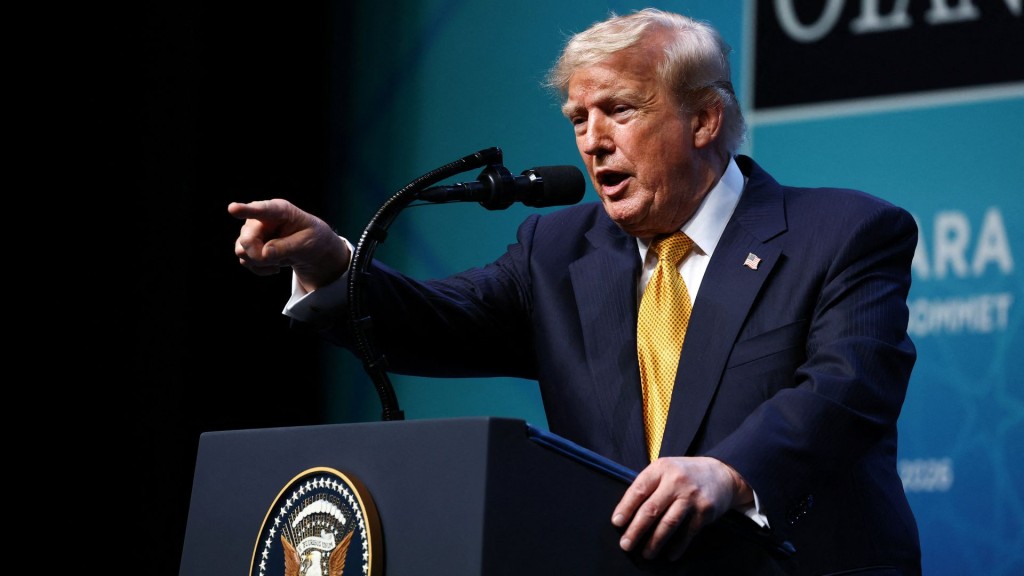




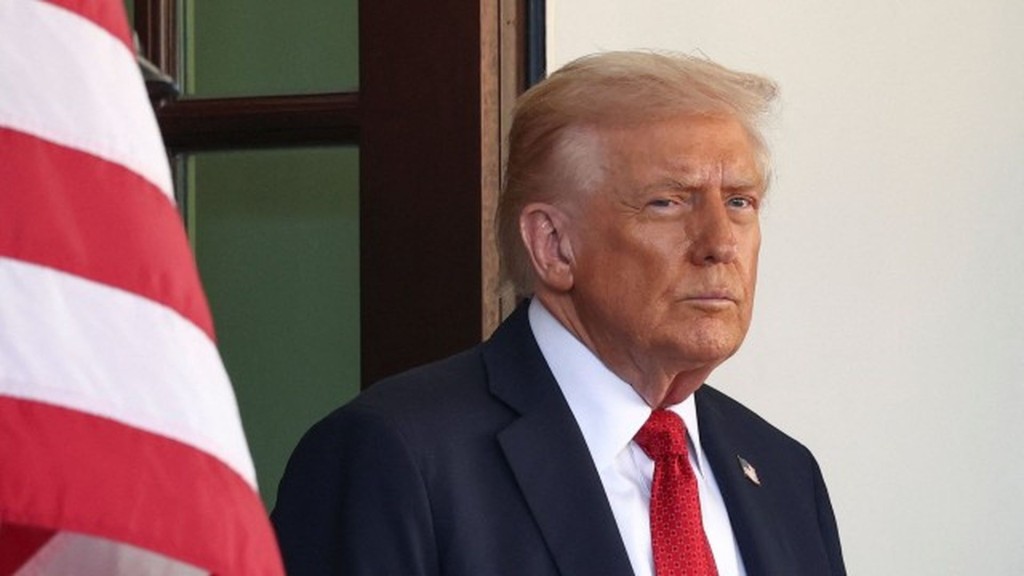
A politically polarized America is slowly but surely turning its attention to the 2028 presidential election even as the Iran war continues to grab the headlines. The immediate focus, however, is on this November's midterm congressional elections. Voters who oppose US President Donald Trump, including some who previously backed him, want him gone when his term ends on January 20, 2029.
But Trump has toyed with the idea of staying on even though the US Constitution clearly states presidents can only serve two terms. Some Democrats fear he will play dirty somehow to stay in power and for his Republican Party to keep control of Congress in the midterm elections.
Opinion polls show the Democrats winning control of the House of Representatives and possibly the Senate this November. That's why they fear Trump could give himself extraordinary powers to control the election outcome by declaring a national emergency with the claim a foreign government had interfered in the 2020 election which he lost to Joe Biden.
Some of Trump's right-wing activists have proposed a presidential Executive Order to declare a national emergency that would let Trump control voting mechanisms. Democrats believe he could use armed soldiers or Immigration and Customs Enforcement agents to monitor voting booths during the elections to create fear. But Trump told the American media he was not mulling a national emergency.
Trump is mercurial but I doubt he would risk public outrage by declaring a national emergency to control elections. Republicans hoping to succeed Trump as president would likely advise him against meddling in the 2028 election. The US Constitution states that presidents have no authority to unilaterally make or alter election rules. That power lies strictly with the 50 states and Congress. Trump is pressing Republican legislators to pass a law that would tighten voter-eligibility rules such as voting by mail, believing this would benefit Republican candidates.
Any Republican running for president in 2028 would need Trump's blessing to continue his Make America Great Again movement which won him two terms. Only two Republicans, vice president JD Vance and Secretary of State Marco Rubio, now stand out as likely candidates for the presidential election. Both are competing for Trump's support. He has asked Republicans which of the two they prefer but has not clearly stated his own choice.
Media reports said he is leaning towards Rubio because Vance built his political career opposing America going to war. Vance has made only limited public comments supporting Trump’s decision to attack Iran. Several Democrats are potential candidates for the 2028 presidential election but only two have widespread national recognition.
They are former vice president Kamala Harris, who lost to Trump in the 2024 election, and California governor Gavin Newsom. Neither Republican nor Democratic presidential hopefuls have openly said they plan to run in 2028, but reports say they are testing the waters with donors. Financing a presidential run is super expensive. Expect aggressive primaries by both Republican and Democratic presidential candidates leading up to 2028.
Michael Chugani is a longtime journalist who has worked in Hong Kong, the US, and London