Rosés often suffer from the reputation of being straightforward, uninteresting wines, ideal for barbeque or poolside parties but not much more. Some consumers even opt to splash ice cubes into their glasses to convert rosés into their instant summer quaff. All these arise from the general misconception of rosé being merely a water-downed version of its red counterpart.
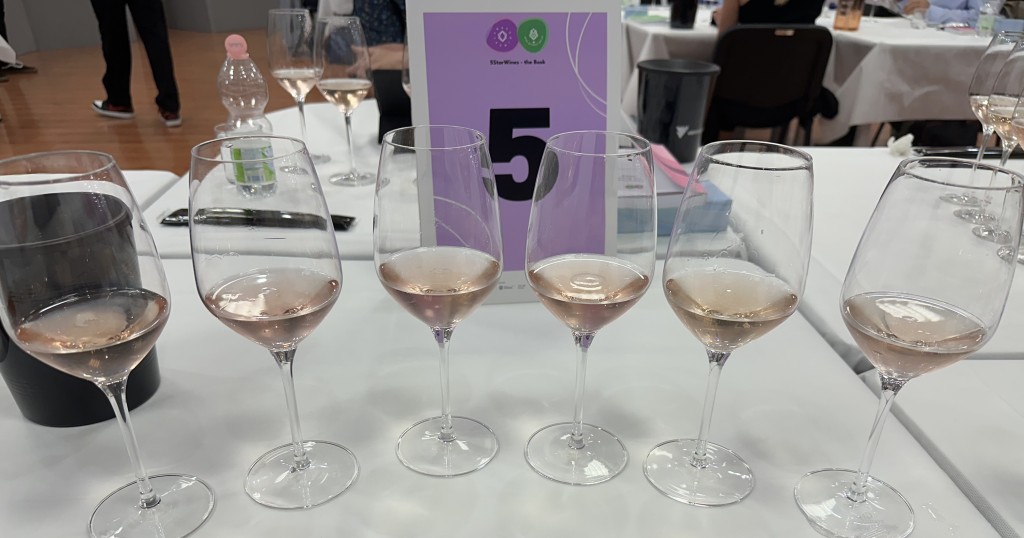
In reality, the world of rosé is vast, and there are plenty of serious examples out there. Some are pink, crisp and packed with crunchy strawberries and beautiful red roses. Others have a salmon or orange tone, boasting savory notes and chewy texture that make the wine remarkably food-friendly. The key differences among all rosé wines not only lie in the production methods, but also the characteristics of the principal grape varieties. Check out these three appellations that consistently generate impressive rosés.
Tavel AOC
Situated in the southern Rhône of France, Tavel is the only appellation in the country dedicated exclusively to dry rosés. The production regulation allows nine different grape varieties to be used in the region, but no single variety may exceed 60 percent of the total planting. Within the list of permitted grapes, Grenache Noir provides the wine’s red fruit profile, Syrah and Mourvèdre offer tannin and color, while white varieties such as Clairette and Bourboulenc contribute acidity and floral aromas. This intriguing recipe ensures balance and complexity in Tavel rosés.
Rosado Rioja DOCa
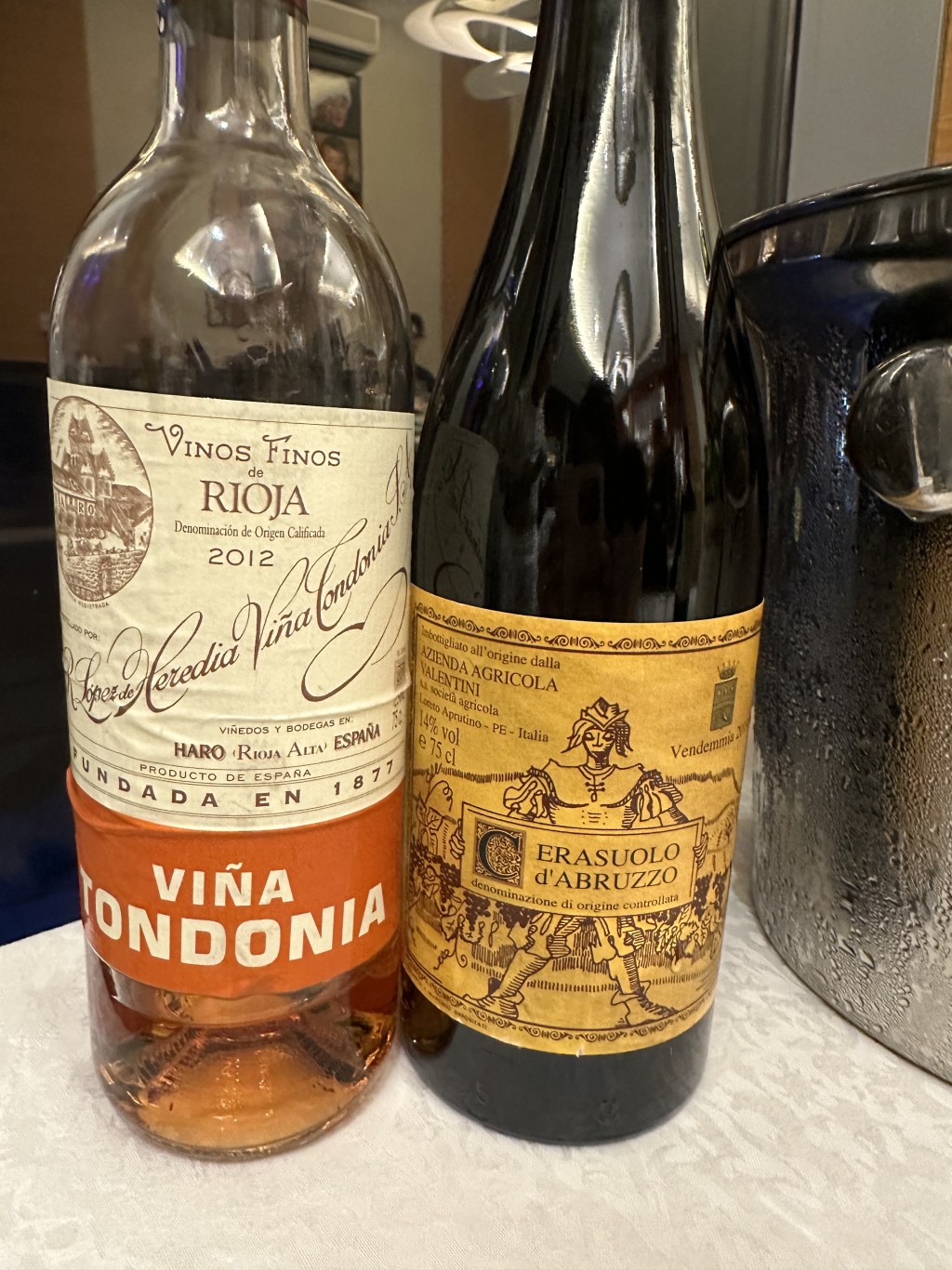
Grenache Noir/Garnacha Tinta also forms the backbone of rosés in Rioja, but the main blending partners here are Tempranillo, Graciano, and Mazuelo. All these varieties add tannin and structure to the wine. Known to have one of the strictest aging requirements in Spain, Rioja mandates its Rosado Gran Reserva to be aged for at least 48 months prior to release. The long maturation enables the full development of nutty characters, dried fruits, and exotic herbs.
Cerasuolo d’Abruzzo DOC
Montepulciano is one of the most popular and versatile black grape varieties in Italy and is adopted in more than 30 wine denominations in the country. In Abruzzo along the Adriatic coast, rosés made from predominantly Montepulciano is awarded the designation of Cerasuolo d’Abruzzo. This special rosé is one of Italy’s darkest and most tannic, and sometimes mistaken as a lighter red wine. The highly complex Valentini’s Cerasuolo d’Abruzzo is the ultimate expression of the style and is one of the most sought-after wines in the world.
Alice Wong is a certified wine educator based in Hong Kong