When the United States of America was founded nearly 250 years ago, it was a new nation conceived as a remarkable liberal experiment. Central to the vision of its Founding Fathers was the principle that the law, and not power, should govern political life. The thirteen former British colonies not only declared their independence from Great Britain, they also founded a sovereign republic firmly based on the rule of law.
In 1945, after World War II, the USA again helped to make the rule of law the bedrock of the United Nations. It was hoped the UN would provide a legal framework for the peaceful diplomatic settlement of disputes between nations and legal principles would replace armed conflict. For many decades thereafter the UN fostered the development of international law by way of treaties, conventions, and numerous rules to regulate relations between nations.
During the 1970s, when I studied international law at Cambridge University in the United Kingdom, it was widely recognized that the maintenance of an orderly international system depended upon observance of these legal principles. Nations accepted that their conduct – whether in times of peace or conflict, on land, at sea, in the air, or even in outer space – should be guided by agreed legal norms.
At the center of this international legal framework is the Charter of the United Nations. Its provisions are unequivocal. Article 2(4) requires all member states to refrain from “the threat or use of force against the territorial integrity or political independence of any state.” The Charter recognizes only two lawful exceptions to this prohibition. First, the UN Security Council may authorize the use of force where necessary to maintain or restore international peace and security. Secondly, a state may exercise the inherent right of self-defense if it is subjected to an armed attack or faces an imminent threat.
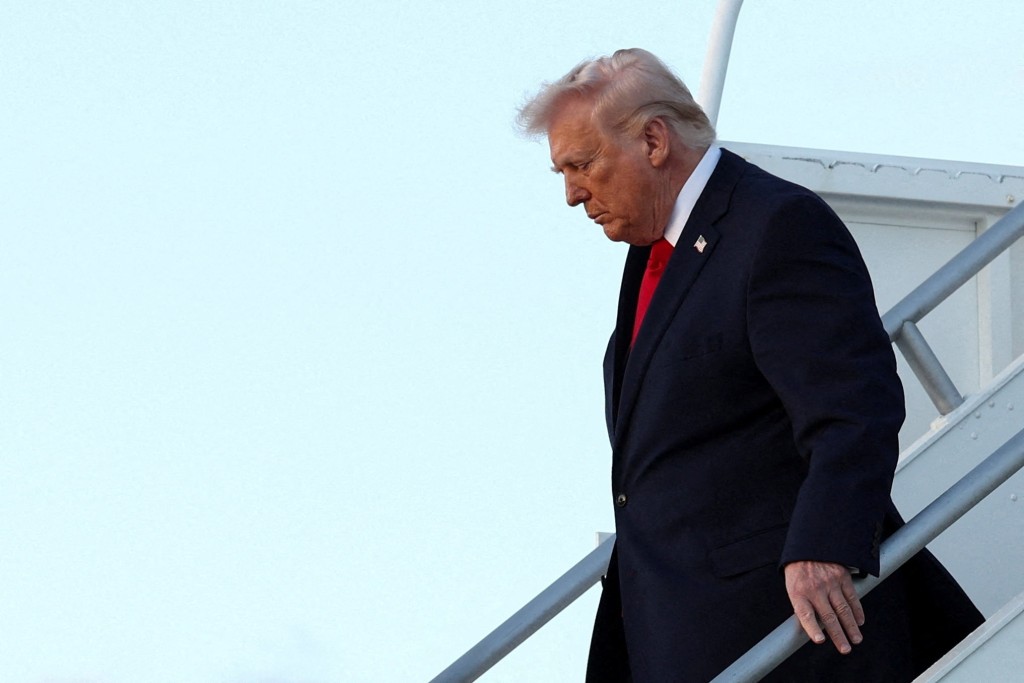
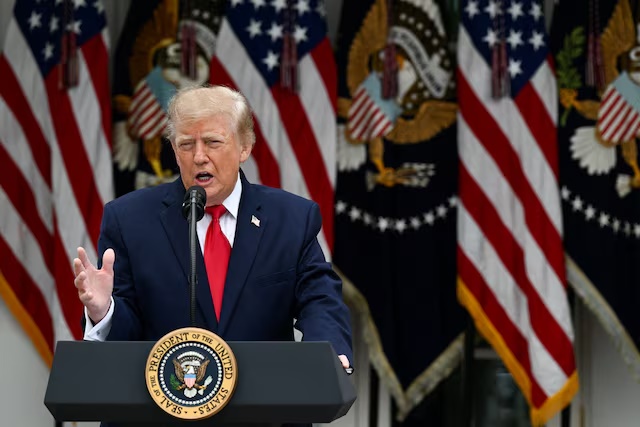
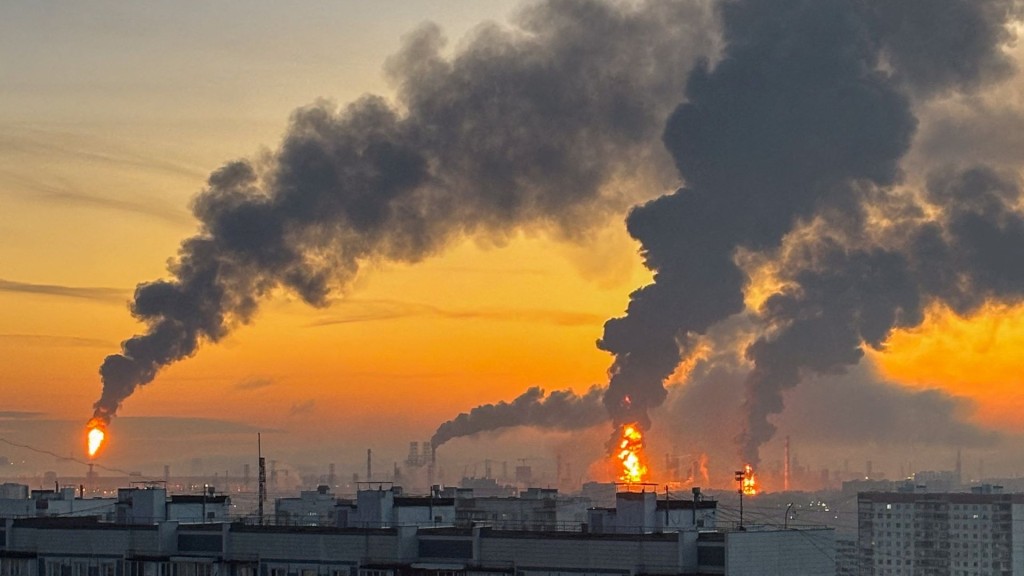
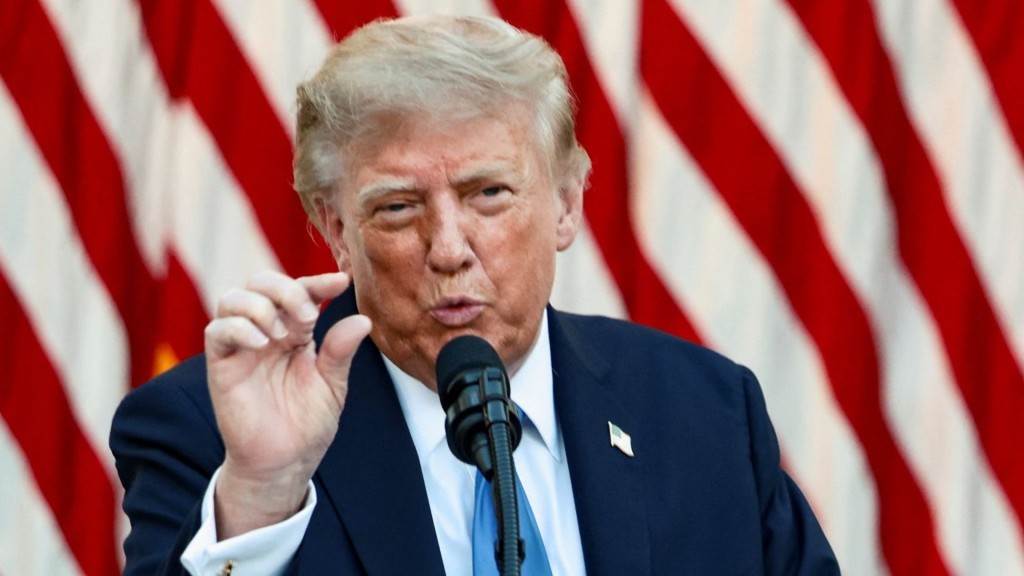
This is why the recent strikes ordered by US President Donald Trump against Iran – carried out without the authorization of the Security Council, or the US Congress – are so worrying. Many nations have questioned the legality of America’s actions against Iran. French President Emmanuel Macron characterized the strikes as falling “outside international law,” while British Prime Minister Keir Starmer indicated that the UK would not participate in any military action that lacked clear legal foundations. Spanish Prime Minister Pedro Sanchez went even further, describing the conflict as “unjustified, dangerous and illegal.”
Whether one agrees with these assessments or not, the controversy over American and Israeli attacks on Iran has brought into the open a bigger and even more troubling issue: the fragility of the international legal order itself. After all, international law ultimately depends on the willingness of states, and especially powerful states like the USA, to observe and uphold the international rules of law they themselves helped to create.
If those rules of law are disregarded, the world risks sliding towards a system in which the use of force is governed less by law and more by political expediency. That would represent a profound setback for the principles upon which the post-war international order was constructed and a slippery slope towards war and even international anarchy.
Cheng Huan is an author and a senior counsel who practices in Hong Kong