Read More







The Death of Late Night? What Colbert’s Final Bow on May 21 Means for TV
18-05-2026 21:09 HKT



ImmD crackdown targets moonlighting domestic helpers arresting 17
19-05-2026 17:52 HKT

As I've mentioned before, the need for judicial reform continues to grow.
Today I look at another facet of the law that is, I believe, overripe for reform - the old colonial division of lawyers into two distinct professions, barristers and solicitors.
They are all lawyers, but do they differ?
A critical difference is that only barristers have the right of audience in all courts, from magistracies up to the court of final appeal - regardless of their competence.
Many people have a misconception that barristers are somehow superior or cleverer than solicitors due to its Cantonese translation as "big lawyer."
Barristers do get more media attention than solicitors as well, of course, as the only lawyers who are identified as senior counsel.
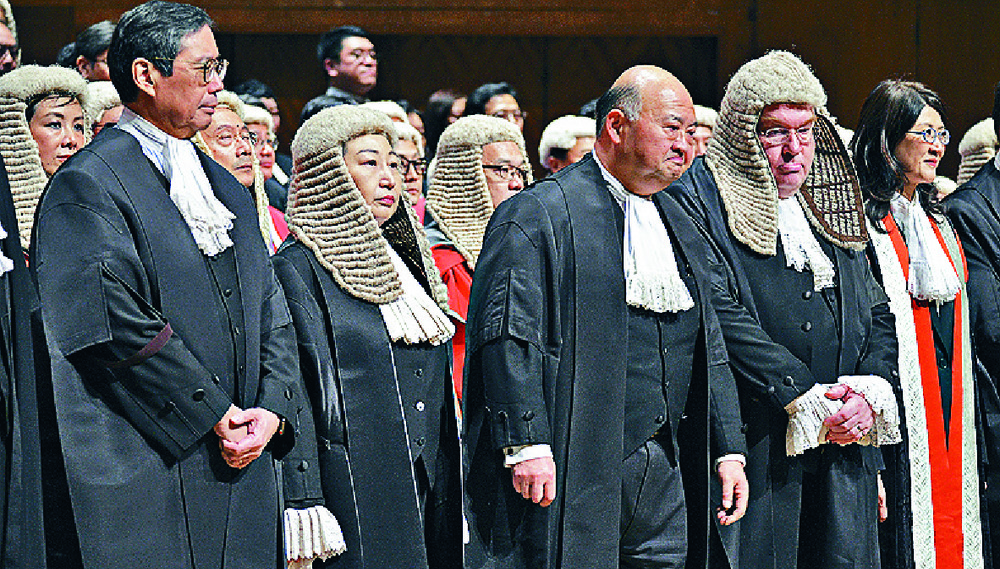
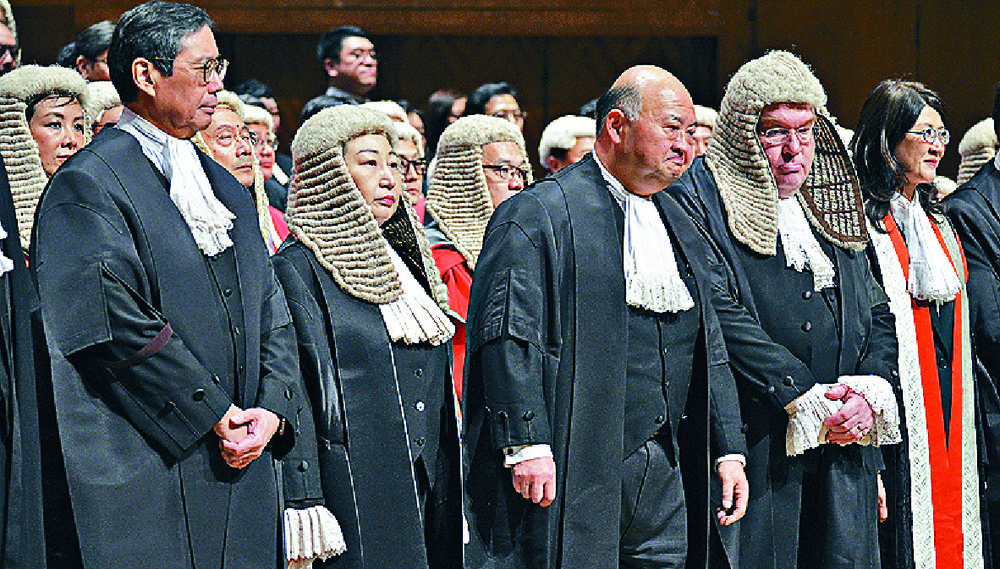
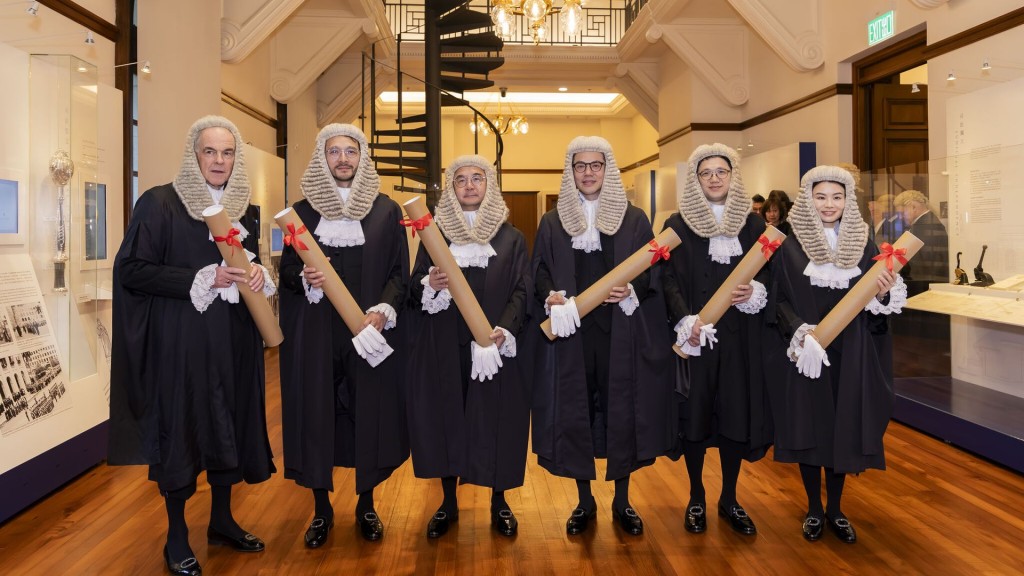
A barrister dressed up in a black gown, a starched wing collar, white bands (instead of a necktie) and a horsehair wig is a tailor-made magnet to attract media attention.
It is a system that is idiosyncratic, almost archaic and consummately British. More than 20 years after the British departed Hong Kong's shores is there still a cogent rationale for the division? Is it in the public interest?
I was called to the English Bar in 1969, to the Hong Kong Bar a decade later and I am often asked by quizzical non-legal friends and acquaintances why the division still exists. They simply fail to understand why a barrister cannot do a solicitor's work and vice versa. They are perplexed why they have to employ a solicitor in order to talk to a barrister.
Solicitors, very understandably, question a system that handicaps them.
This stasis is caused by conservatism. The roots of the Bar Association dig deep into traditional soil. They resist change. The idea of fusing barristers and solicitors to create one unified profession is anathema to many but by no means all members.
No matter what arguments are advanced to resist reform, a look at the experiences of other former colonies proves that fusion of the professions does no harm and is desirable on many fronts.
Two countries in this part of the world that were once, like Hong Kong, British colonies - Malaysia and Singapore - also like Hong Kong, inherited the colonial common law system.
In 1957 Malaysia gained its independence and 21 years later, it fused its legal professions so that all lawyers became members of the Bar and were permitted to address courts of law (Bar derived from the wooden barrier in old English courts that only barristers could stand at when they addressed a judge.)
Singapore fused the professions in 1996, and all lawyers are both advocates or solicitors. They choose their areas of expertise and the most experienced and respected lawyers are entitled to apply for the added status of senior counsel. It is an eminently fair and sensible system.
Singapore has also proscribed the antiquated practice of calling judges "my lord." In 1991 the then Singapore chief justice ordered judges be addressed as "your honor" instead of "your lordship" because, he said, it is "inappropriate in the context of a sovereign republic in an egalitarian society." Here, here!
Some Australian states have also adopted innovative compromises, and I cannot find any important Commonwealth country that separates barristers and solicitors as Hong Kong does - except, of course, for England and Wales.
(In the 1980s British prime minister Maggie Thatcher wanted to reform the English Bar but gave up the fight such was the opposition of members of parliament - many of them also barristers!)
Today there is widespread creeping realization that legal reforms in Hong Kong have been put off long enough.
Surely it is appropriate that discussions commence, and it is in the interests of both barristers and solicitors that they promote the reform they want rather than have reform imposed from above by the government.
Cheng Huan is an author and a senior counsel who practices in Hong Kong