Read More








The Death of Late Night? What Colbert’s Final Bow on May 21 Means for TV
18-05-2026 21:09 HKT



ImmD crackdown targets moonlighting domestic helpers arresting 17
19-05-2026 17:52 HKT

Demand for dispute resolution services like negotiation, mediation and arbitration is on the rise. The primary aim of service providers is to resolve disputes quickly and cost-effectively.
ODR has many advantages or selling points. First, it allows easy access to dispute resolution. It is online, so parties can access them wherever they are. This is particularly helpful during a pandemic.
Another advantage of ODR is that it might reduce court burdens in the long term. By resolving disputes online rather than in person, more cases can be processed within any given time.
It's therefore likely that, as a result, more cases are resolved and do not end up in courts. Thus, courts are spared from handling more cases originating from failed dispute resolutions.A third benefit of ODR is that it is tailored for resolving cross-border disputes. Domestic courts do not work well for cross-border disputes as it is often unclear who has jurisdiction.
Traditional in-person mediation or arbitration works, but ODR can be cheaper and speedier.A recent study by the Asia-Pacific Economic Cooperation's business advisory council showed 94 percent of small enterprises reported that access to dispute resolution was one of their greatest challenges while trading across borders.
ODR is well suited to meet this challenge, because users from across countries and time zones can access it at their convenience.There are signs people are starting to recognize the strengths of ODR. The general public has started to use ODR, especially in lower value disputes. They see this as the most cost-efficient service.
At the global level, a number of other international and regional organizations have already adopted ODR services. Even the United Nations is promoting this service.Last August, APEC's economic committee proposed a collaborative framework which aims to encourage small enterprises to use ODR more frequently. Its ultimate goal is to develop an in-house online platform.
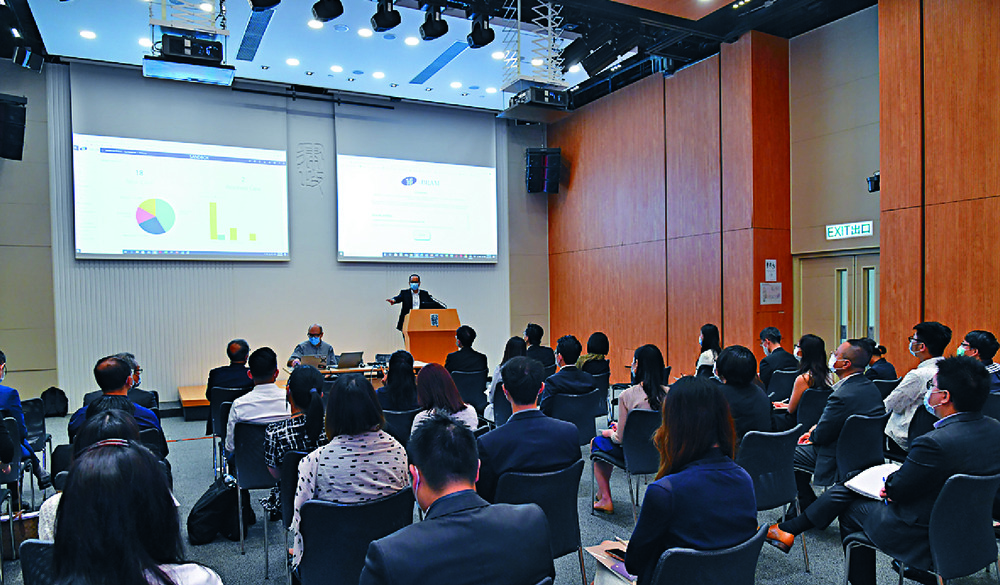
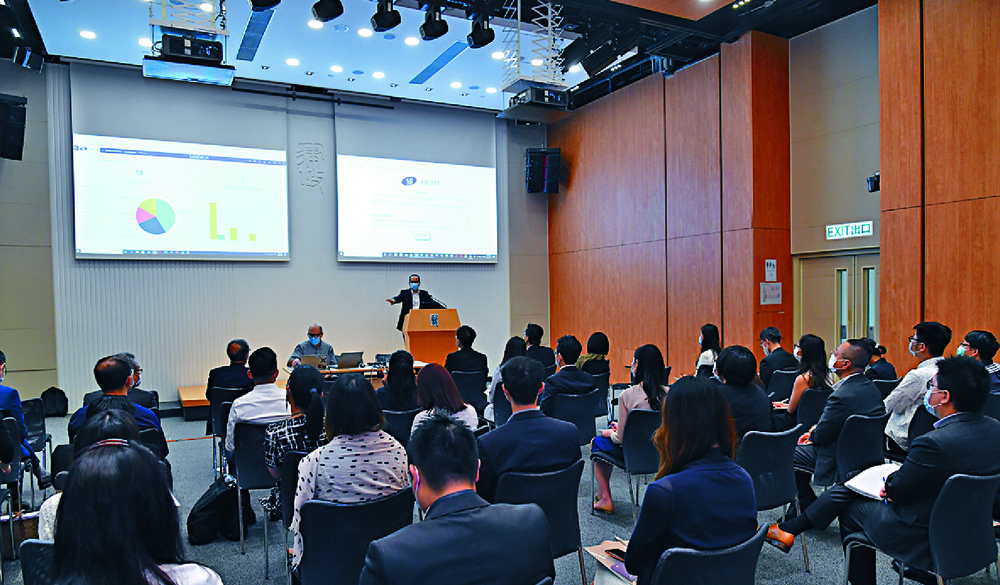
Hong Kong's Department of Justice also has an ambition to develop its own ODR tool. The eBRAM Centre, as it is called, is being developed for online deal-making and resolving commercial and investment disputes.There is some urgency to this service because it is expected that the number of disputes will rise because of Hong Kong's part in the Belt and Road Initiative, which means more business transactions and inevitably more disputes.
At this moment, the eBRAM Centre handles Covid-19 disputes involving a maximum claim of HK$500,000. A key feature of eBRAM is its use of artificial intelligence to provide real- time translation services. This will be crucial as we can expect to do business with countries that speak different languages.But ODR systems are not without their challenges and pitfalls. For example, ODR platforms require stable internet connectivity and have to be trusted as being secure. If the eBRAM Centre can address these concerns, it could be a success for Hong Kong.
Dr Jolly Wong is a policy fellow at the Centre for Science and Policy, University of Cambridge