Read More



The Death of Late Night? What Colbert’s Final Bow on May 21 Means for TV
18-05-2026 21:09 HKT

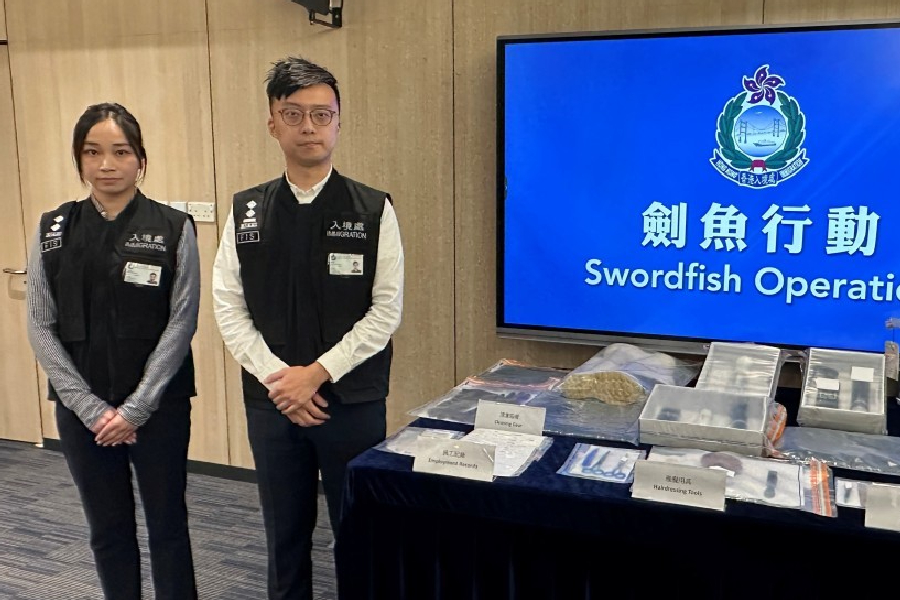
ImmD crackdown targets moonlighting domestic helpers arresting 17
19-05-2026 17:52 HKT
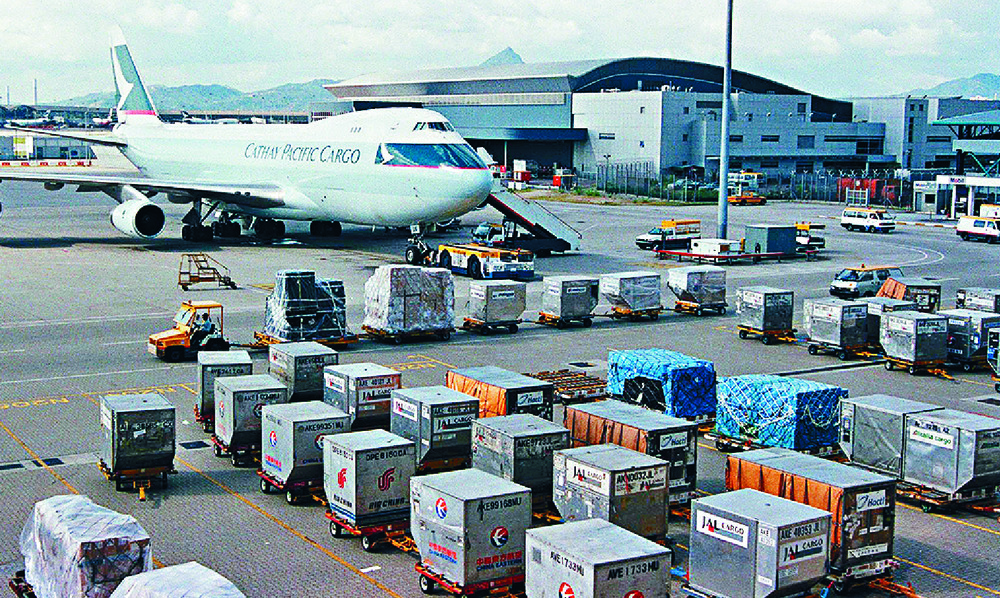
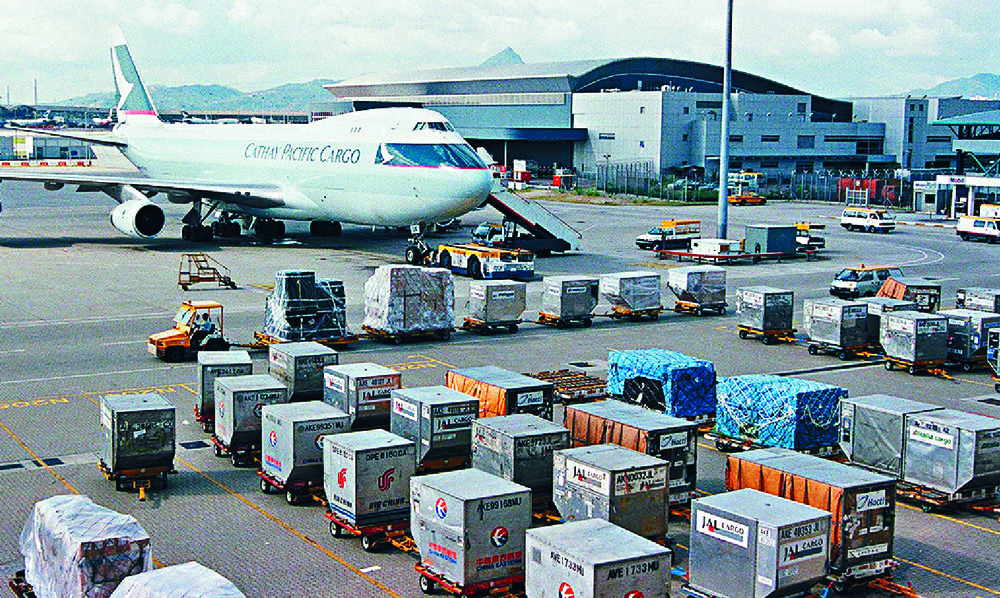
The Hong Kong air cargo business started in the 1970s as a complement to rising passenger traffic.
Before that, most goods in Hong Kong were transported by sea and air transport was reserved for valuable goods, mostly carried in the cargo holds of passenger aircraft.
As air travel became more affordable and Hong Kong's import and export businesses blossomed, an air cargo terminal was built at Kai Tak Airport in the early 1970s by Hong Kong Air Cargo Terminal Ltd, dedicated exclusively to cargo aircraft handling.
Gradually, the advantage of air cargo transport opened up a lot of opportunities for goods, especially in the clothing and accessories markets, as it allowed quick replacement of stocks and the rolling out of new fashion within days. It also allowed gourmet fresh food to be imported to Hong Kong
This rising demand created led to a second air cargo terminal at Kai Tak in the 1980s, incorporating highly-mechanized storage and delivery systemsthat were the most advanced in the air cargo world at the time.
With the vast growth of Hong Kong's economy in the run up to 1997, the Hong Kong government devised the Rose Garden plan to relocate the airport to Chek Lap Kok Island at Lantau, opening up vast opportunities for air cargo traffic, which was growing even faster than passenger traffic.
To cater to the growing demand, Hactl's SuperTerminal 1 was built at the cost of US$1 billion. It introduced new levels of automation and sophistication to the industry.
While Hactl held a virtual monopoly on cargo handling at Kai Tak, in order to optimize and streamline operations within the cramped airport, the opening of Chek Lap Kok gave the government the space and opportunity to allow healthy competition.
The second concession was awarded to Asia Airfreight Terminal which opened in 1998, while the third was taken up by Cathay Pacific in 2012 with the opening of its own terminal.
Formerly a shareholder in and the largest customer of Hactl, CX Cargo became self-handling, and disposed of its shareholding in Hactl, leaving Jardines as the largest shareholder.
Meanwhile, the vacated building of the previous terminal in Kai Tak was viewed as too valuable to be pulled down.
So the government relocated the Electrical and Mechanical Services Department to the building, utilizing its robust structure and tall ceiling height as a vehicle and machinery maintenance facility and incorporating modern energy saving techniques to make it a "show building" for the years to come.
With its unparalleled handling facilities and plentiful capacity, Hong Kong soon became the world leader in air cargo, a position it has now held for 11 consecutive years, with annual throughput peaking at 5 million tons.
Its success is attributable to its unique blend of significant cargo handling investments, unrivaled global air connections, frequent passenger and freighter services, central location within Asia and between Europe and the Americas, modern and business-facilitating Customs, bilingual work force and legendary strong work ethic.
Additionally, its proximity to the industrial areas of the Greater Bay bodes well for the future.
Veteran engineer Edmund Leung Kwong-ho casts an expert eye over Hong Kong's iconic infrastructure