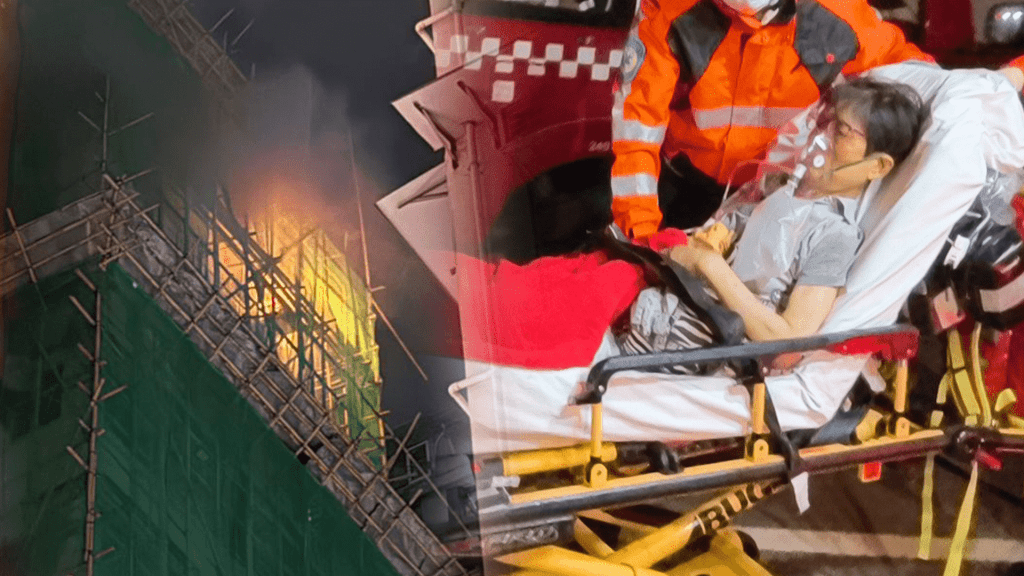
In times of crisis or emergencies — such as the 2018 Tham Luang cave rescue in Thailand or the 2023 Turkey-Syria earthquakes — there are groups of dedicated individuals who step up without hesitation, putting their lives on the line to provide immediate care and assistance.
They are the first responders, or emergency responders, such as police officers, firefighters, paramedics, and 999 emergency call takers who play an indispensable role. They save lives, ensure safety, and keep situations stable in times of the greatest need until further help arrives.
Most often prefer not to be called heroes as they view their work as a professional duty. They believe they are simply doing their jobs and may prefer to be recognized for their skills, training, and dedication in helping others rather than being seen as extraordinary individuals.
Public safety organizations and many operatives in critical businesses, such as utilities and public-transport modes from airplanes to high-speed trains, need to communicate when coordinating operations and tasks. It is so critical to effective reactions and responses that these people need mission-critical communications which refer to anything that is essential to survival.
Connection is the lifeline for first responders in their mission to make society secure and save lives. I want to examine the three key user requirements for mission-critical communications: trust, interoperability, simple and prioritized operation.
Trust is by far the first most important.
Mission-critical comms means users can depend on getting the connection when they need it. The systems have to be in turn instant, available, resilient and secure for first responders as they must work consistently to ensure seamless communications, even under adverse environments and severe conditions.
For example, the 260 millimeters of rainfall that the United Arab Emirates had over a few days last month was the heaviest in the country in 75 years.
Abu Dhabi police officers were using kayaks to rescue residents and trusted communications to coordinate with entities from energy, transportation and health.
On the contrary, public cell phone services do not provide any guarantee that information is delivered, except by best-effort delivery only.
It is important to ensure first responders have priority access to the system’s resources and applications when they need them.
Normally a dedicated system with hardware redundancy, backup power schemes, and exclusive capacity design are common ways to achieve maximum availability.
What to do when people from different organizations need to work together?
Shared talk groups allow different bodies to communicate together across organizational boundaries.
This is the second important element: interoperability.
For example, since the 2000s, the police, fire services and ambulances have been using shared talk groups under a unified digital communications platform built by the force to coordinate their response to an emergency situation.
Finally, it's a simple operation with proper prioritization.
Priorities are important as they help guarantee the safe delivery of critical information in the field. This requires networks that enable and prioritize first responders to share real-time updates and coordinate strategies without worrying about network disruptions.
Although voice-based communications lack the flexibility and data capabilities of modern technologies, they are usually the priority communications mode through push-to-talk.
Advancements in technology have in fact revolutionized first response efforts.
From critical communications to precision tracking tools, technology enhances the effectiveness and coordination of the first responders in the field.
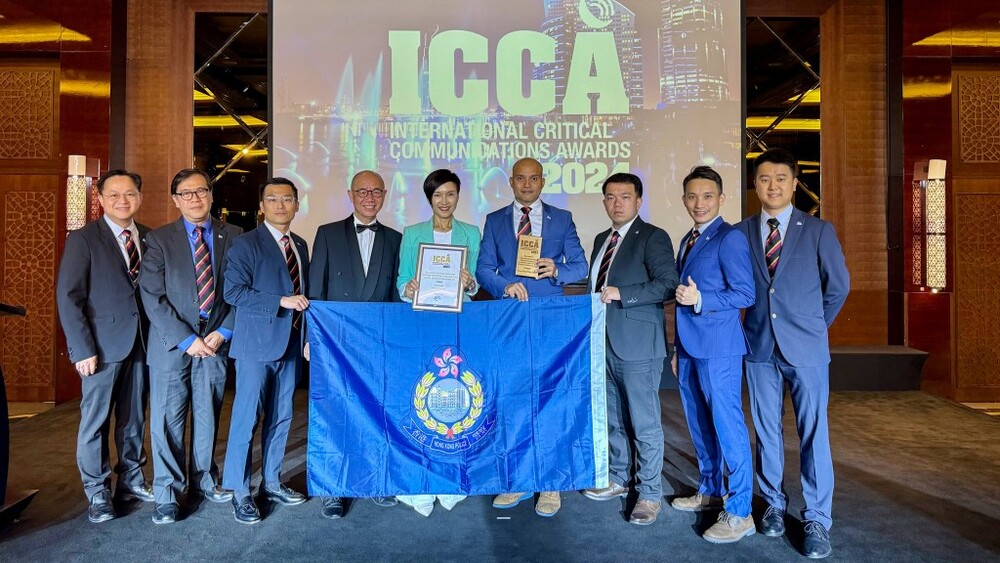
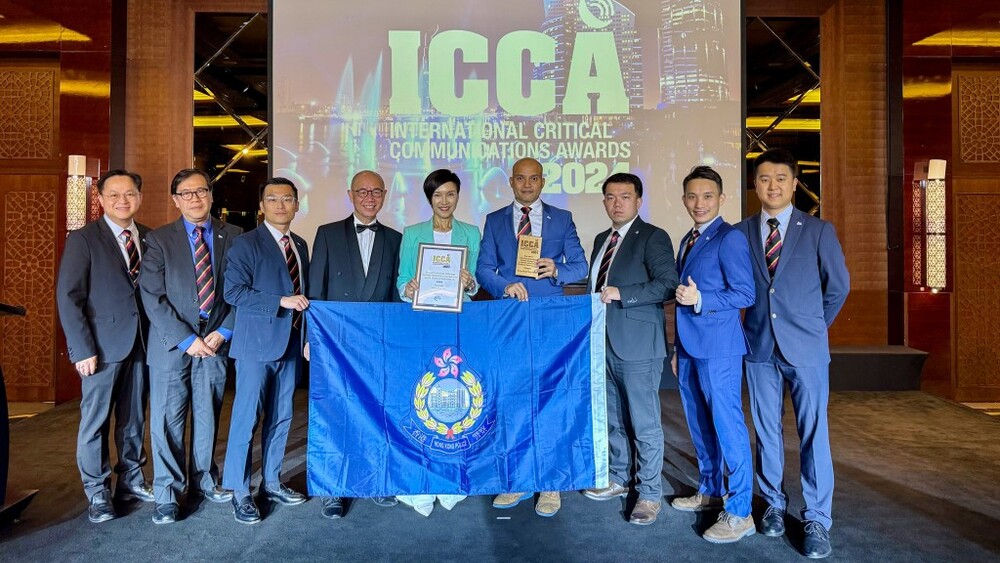
In this regard, it is worthy to note that the Hong Kong Police Force clinched the best use of advanced technology award at the International Critical Communications Awards in Dubai on May 14.
That is for the emergency application, HKSOS - RescueAI, which is the world's first AI app dedicated to rescue missions.
First responders are the backbone of our emergency response system.
I strongly recommend a day set aside to honor all our valiant first responders for their immeasurable services.
Dr Jolly Wong is a policy fellow at the Centre for Science and Policy, University of Cambridge
Police officers with their International Critical Communications Awards gong for best use of advanced technology in the form of HKSOS - Rescue AI in Dubai.