Today the emphasis in the field of artificial intelligence is on a collection of powerful technology tools, such as supervised learning, unsupervised learning, reinforcement learning and generative AI.
They enable computers to perform a variety of advanced functions, including the ability to see, understand and translate spoken and written language, analyze data, make recommendations, and many more.
AI has the potential to bring about sweeping changes to the global economy.
For example, breakthroughs in generative AI could drive a 7 percent, or almost US$7 trillion (HK$54.6 trillion), increase in global GDP and lift productivity growth by 1.5 percentage points over a 10-year period, according to a recent research report by Goldman Sachs.
In another analysis by the International Monetary Fund, about 60 percent of jobs in advanced economies may be impacted.
But which tasks could best be handled by AI capabilities?
I want to examine three major subfields that are considered core business capabilities of AI: computer vision, natural-language processing, and machine learning.
Computer vision enables machines to recognize and understand visual inputs of real-world images and videos, converting them into digital data and making decisions based on them.
According to the 2022 McKinsey Global Survey on AI, this capability is the most popular tool used by nearly two in five companies involved in robotic process automation, or software capable of doing repetitive tasks.
The function is widely utilized in the health-care sector to assess a patient's condition by using MRI scans, X-rays and other imaging techniques. Other popular use cases are computer-controlled vehicles and drones used in the automobile industry.
Where machine learning is concerned, programmers, to create a ML system, use advanced math skills to build algorithms that are coded in a machine language. In this manner, ML enables computers to perform tasks without explicit instructions, often by generalizing patterns from a dataset.
Furthermore, data scientists pick different forms of ML algorithms for what they want to predict from data based on the sorts of data available. The algorithm used to train the machine can be supervised, unsupervised or reinforcement learning.
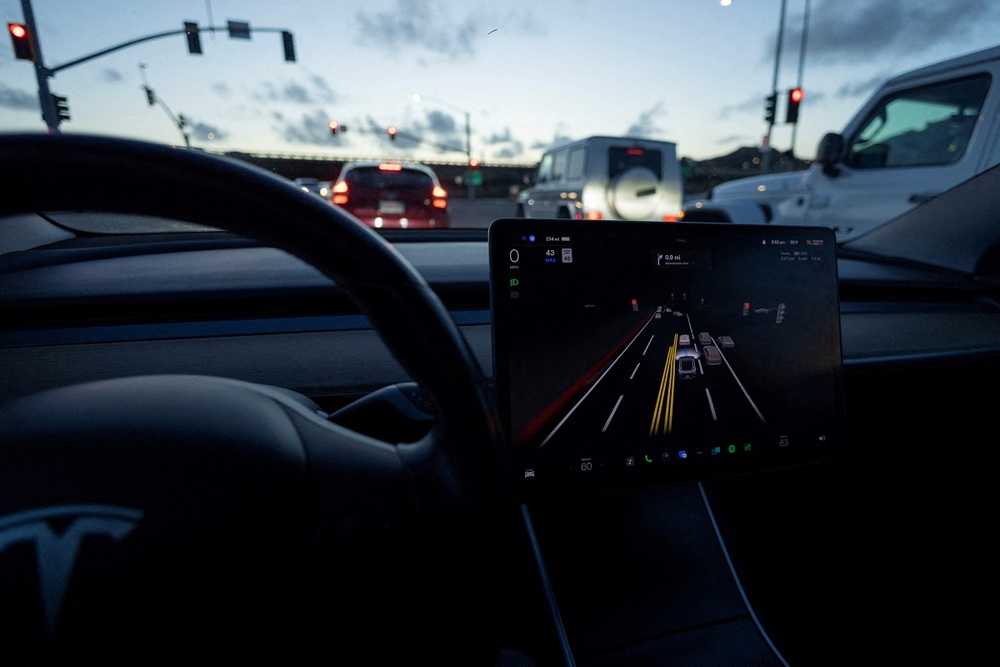
ML has been widely used for self-driving cars, image and speech recognition, and online searches in the past several years. It is described as a system that learns from its mistakes and improves its decision-making ability or prediction accuracy over time.
Natural language processing is a branch of computer science and AI that allows computers and humans to communicate. It's a method of computational analysis of human languages. By mimicking human natural language, NLP allows a machine to comprehend and interpret data.
Additionally, it is a method for searching, analyzing, comprehending and extracting information from textual input. NLP libraries are used by programmers to instruct computers how to extract meaningful information from text input. Computer algorithms can verify whether an email is spam by looking at the subject of a line, or its content.
NLP applications include text translation, sentiment analysis, and speech recognition. For example, companies use NLP for personal assistants for Siri and Alexa, filter prohibited language from various posts on X (formerly Twitter), and interpret customer feedback and improve their experience for Amazon.
AI is a computer's ability to perform some of the functions associated with the human brain, including reasoning, learning, interacting and problem solving, even exercising creativity. Yet it has no ability to encapsulate knowledge and experience (for now).
AI systems are fantastic tools that can automate a wide range of tasks.
Dr Jolly Wong is a policy fellow at the Centre for Science and Policy, University of Cambridge
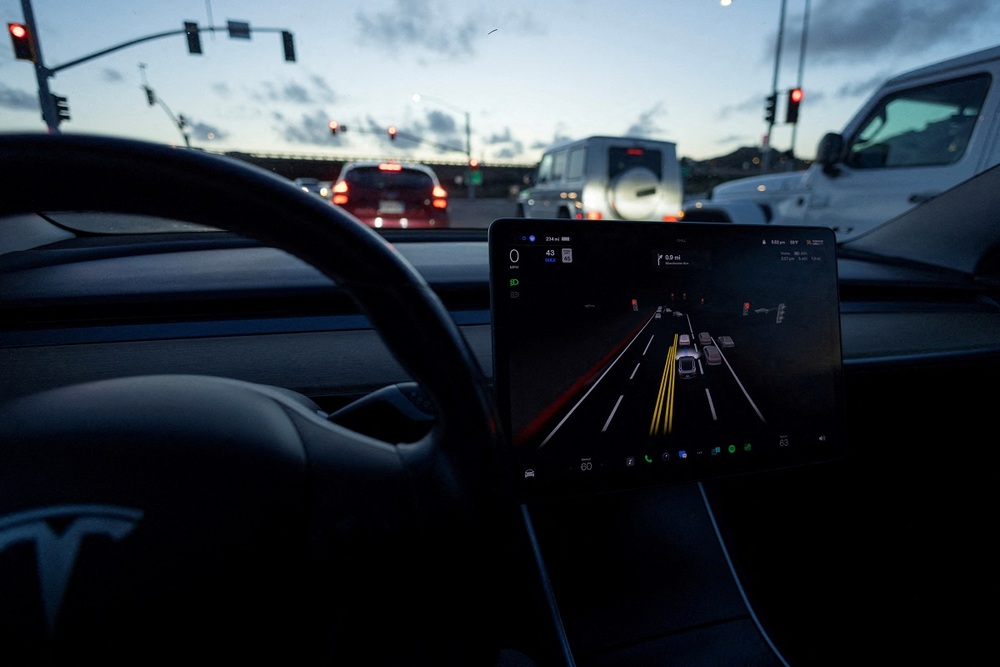
Self-driving cars are using computer vision and machine learning to make a difference on the roads.