Read More



The Death of Late Night? What Colbert’s Final Bow on May 21 Means for TV
18-05-2026 21:09 HKT

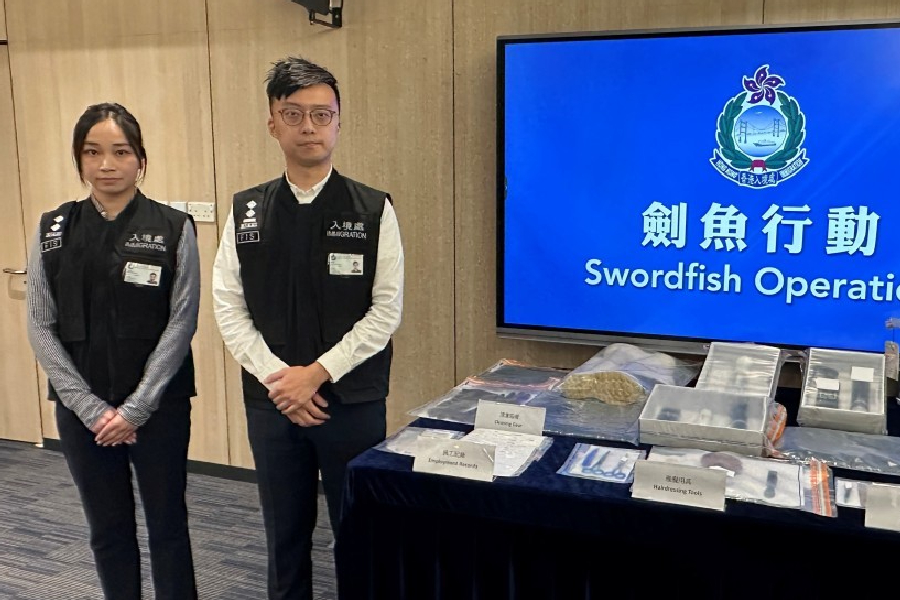
ImmD crackdown targets moonlighting domestic helpers arresting 17
19-05-2026 17:52 HKT



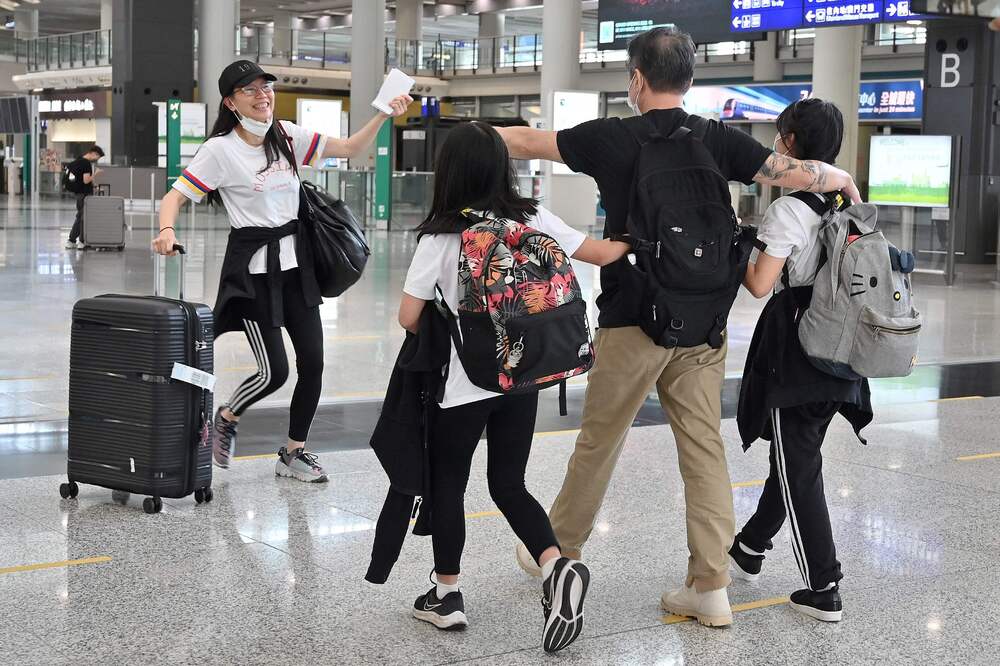
At long last the end of Hong Kong's long Covid nightmare looms into view.
The government, which had always insisted its quarantine policy was essential, appears to accept it may be doing more harm than good and there is a growing, albeit reluctant, acceptance that our isolation may have done serious harm to the economy and our overseas reputation.
The first indication that a relaxation is imminent came from the chief executive, who it is said has been given clearance to reopen to the world before doing so with the mainland.
Word that relaxation is imminent has encouraged influential doctors, businessmen and academics to speak up too.
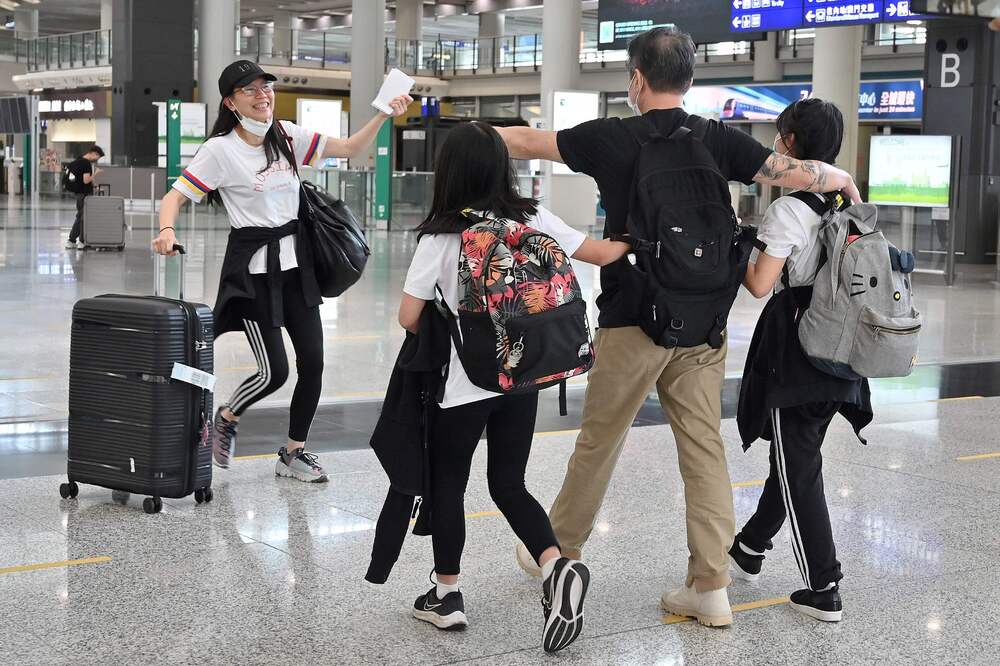
I think it is fair to say that Hong Kong's entire population is hugely relieved that life is about to return to normality.
There is now even a possibility that Hong Kong may soon adopt a "0+0" arrangements for overseas arrivals.
I was much impressed to read Yuen Kwok-yung, a pandemic expert who always talks good common sense, say Covid has now been downgraded to an endemic and normal life can be switched back on.
Indeed he is supported by his University of Hong Kong colleagues.
They all agree that the population has achieved effective protection by way of a combination of vaccination and infection, which is why the percentage of people dying from Covid is dropping so steeply.
I was recently glad to read more good practical sense from Quentin Parker, an astrophysicist at HKU who wrote that "it is time for a policy reevaluation, given the high transmissibility but lower mortality rates of the latest Covid-19 strains.
" The Chinese way was the right policy early on but things have evolved.
"There is no issue of losing face by adapting to the new realities. Globally, it is the new normal and a shift to a regime of control, vaccination and boosters is necessary so life can resume."
But while Hong Kong prepares to further ease curbs, other countries, which relaxed restrictions long ago, are warning that vaccination is still essential and booster jabs are needed to maintain adequate protection from serious illness from Omicron.
For instance, all adults over 50 in the UK (26 million) are being urged to take new third booster jabs that contain protection against Omicron and the original Covid.
The problem seems to be that the vaccines do not remain effective for long but that may change as infections spread throughout populations over many years.
Just like annual flu we have to accept that Covid is here to stay. But in the future, just like flu shots, there will be a vaccine that offers at least one year of protection.
A British report also warns that effectiveness against Omicron starts at 65-70 percent after two Pfizer doses, as used here, but it drops to about 15 percent 25 weeks after the second dose.
That is why boosters are so essential and why I am looking forward to my third one but, sad to say, it is not yet approved here.
Another fascination is that people who have had Covid as well as being vaccinated are better protected than those who have been vaccinated but not had Covid.
I never imagined that getting Covid could actually be good for protection from serious illness but that seems to be case.
It makes one wonder whether everyone who is in perfect health should not be given Covid on purpose. It sounds mad, and is obviously a crazy idea, but that is the implication of the science.
Imperial College London immunologist Peter Openshaw says "Covid is not getting less serious yet and people who are meeting Omicron for the first time without being vaccinated are becoming seriously ill and even dying. So it's still a big risk not to top up your immunity."
Cheng Huan is an author and a senior counsel who practices in Hong Kong