Hong Kong's electricity supply is reliable and relatively affordable.
It is reliable at over 99.999 percent, sometimes referred to as the "five nines." This means that, on average, every customer experiences an unplanned power interruption of less than six minutes per year.
In recent years, an even better figure of less than one minute has been achieved.
Electricity bills also remain relatively affordable at less than 2 percent of average monthly household expenditure. One-seventh of our households have not paid their monthly electricity because of the subsidy and relief schemes that started in 2019.
Will this continue to be the case?
The high reliability level of supply is a direct result of the ability of power companies to attract capital and its investment in system networks, critical assets and maintenance services.
For example, individual generating units are installed with power system stabilizers, sufficient reserve capacity margins and interconnection between the two power companies' systems. This enables emergency support in the event of unexpected load variations or generator failure.
Decades of stable service have created high expectations from users. Residents are used to having this level of supply and so we often forget the value and importance of having an uninterrupted supply.
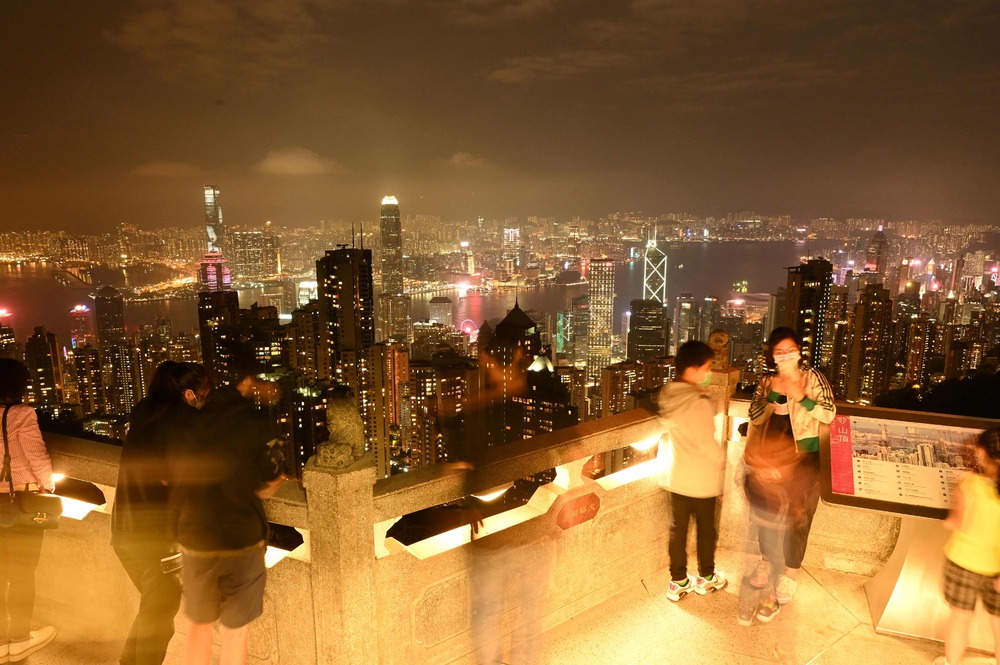
The Council on Tall Buildings and Urban Habitat says we have more than 500 high-rise buildings taller than 150 meters, most skyscrapers in the world and more than 50 percent of the 7.4 million people live above the 15th floor.
Imagine if a power blackout occurred. Police 999 emergency call centers would have limited services. Most hospital surgeries would be forced to a halt. Stock market and bank transactions would be interrupted. Elevators would stall and strand passengers in tall buildings. Internet and phone services would be disrupted. Life and commerce would come to a standstill.
Even a single outage would create a long-term impact on Hong Kong's reputation as a global financial center.
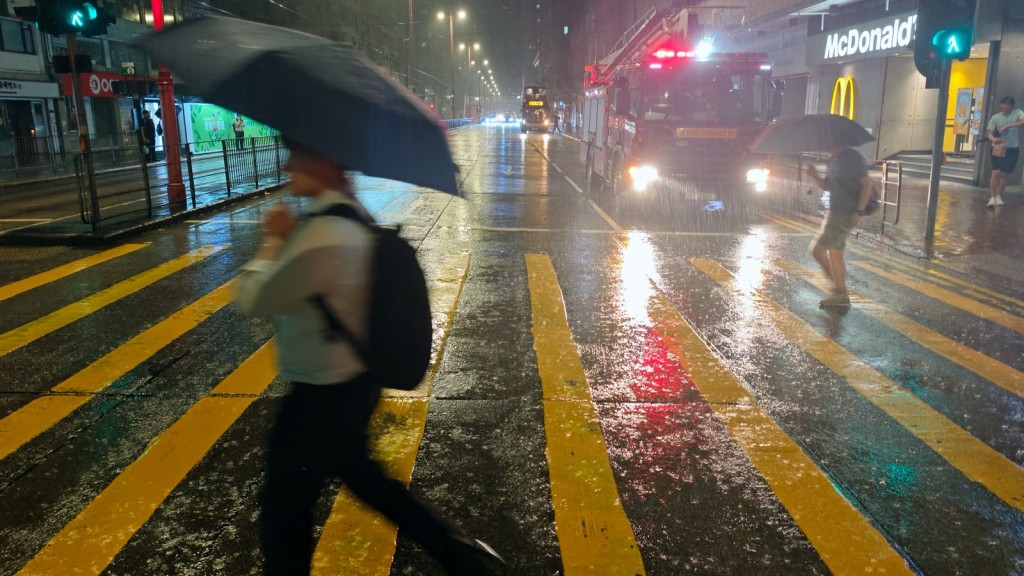
The most common source of power interruption here is damage to or faulty overhead and underground cables. This is typically caused by excavation works, thunderstorms and floods.
Adequate maintenance, sufficient reserve capacity and backup generation are critical for utilities to sustain a reliable supply and mitigate the risk of outages.
Meeting these goals and standards over the long term requires significant investments and 24/7 operation by a hardworking professional team.
Our power companies have been using technology and creativity to find new ideas and apply innovative technologies. For example, companies have applied predictive maintenance to detect and correct problems before power disruption incidents (like direct hits by super typhoons) occur.
Recently there have been calls to purchase and import nuclear and renewable energy. It is argued that imported electricity would be cleaner and cheaper than that produced here.
But is it as reliable? Since mid-September, Guangdong has reported sporadic power crunches.
It is reported that there are power cuts up to eight times a day, four days in a row, and that it will get worse as the busy holiday season approaches. Factories have to rely on their own power generators and take night shifts to maintain basic operations.
Outages have occurred. But the disruption over the past couple weeks has seen the worst cuts for more than two decades, affecting millions of households and factories, not merely in eastern manufacturing hubs but also in landlocked central China, according to State Grid Corp.
The potential for lower reliability represents economic and social risks. For mission-critical services, reliability is a key business and operational concern, rather than merely an inconvenience.
Dr Jolly Wong is a policy fellow at the Centre for Science and Policy, University of Cambridge