Read More





Omens of fear, wings of hope in Arab lore | Arabic Window | Amjad Refai
28-05-2026 06:26 HKT
Sculpting the face of the city | La Vie en Rose | Joanne Chan
28-05-2026 06:19 HKT




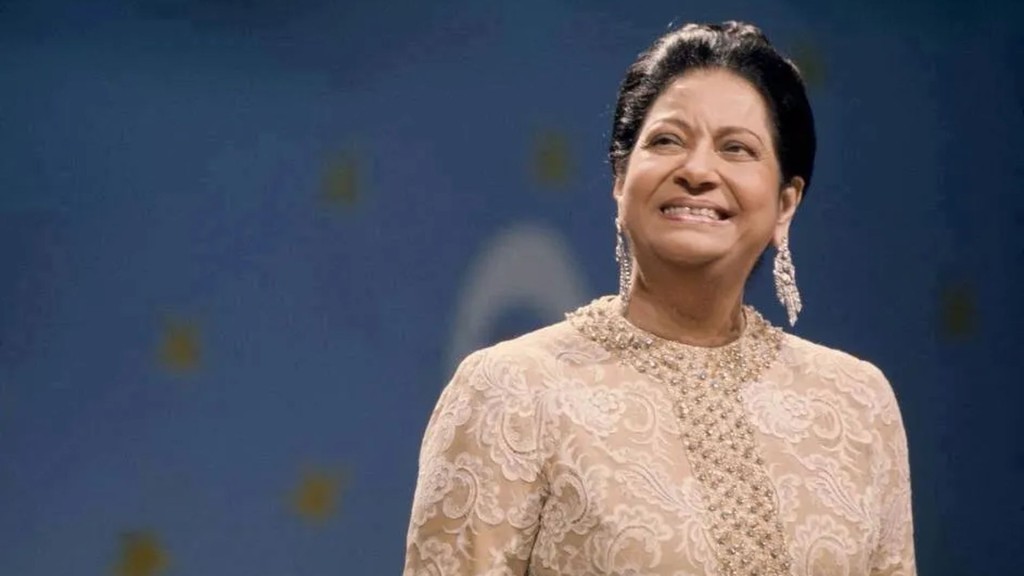
Every era has its renowned singers. Arab history witnessed female stars like Dananir in the Abbasid era and Wallada bint al-Mustakfi in Andalusia. Yet, none attained the titles, reverence, and immortality of Umm Kulthum.
The twentieth-century Arab world was a stage for a strenuous rebirth and a major cultural renaissance. Music broke free from narrow palace corridors and Sufi chanting circles, finding a new voice through modern radios and gramophones. In the quest for a voice to express the nation’s conscience, the star of a rural girl emerged, destined to reshape the Arab soul and eternally rule the throne of Tarab, or musical enchantment.
From the womb of the Egyptian countryside, the voice of Fatima, later Umm Kulthum, arose. She began her journey disguised as a boy, reciting religious poetry behind her father. However, upon touching Cairo’s soil in the 1920s, she cast off this masculine cloak, breathed in the fragrance of modernity, and forged an unprecedented glory.
More than a performer with a golden throat, she was a complete cultural institution. With unparalleled artistic brilliance, she revolutionized Arab singing, rescuing it from frail lyrics and weak, repetitive melodies.
Politically, she transcended music to become an icon and the voice of Arab nationalism. After the 1967 setback, as despair gripped the nation’s veins, she did not weep over the ruins. Instead, she rose like a phoenix, touring world capitals to raise funds for the war effort.
For half a century, she shone as a unique star, a wellspring of authentic melody that quenched the thirst of the deprived. She elevated the Arabic song to lofty heavens in meaning, imagination, and purpose, giving it a new splendor beyond a mere plea for applause. With exceptional awareness, she wove the threads of her immortal aura, forever becoming the “Star of the East.”
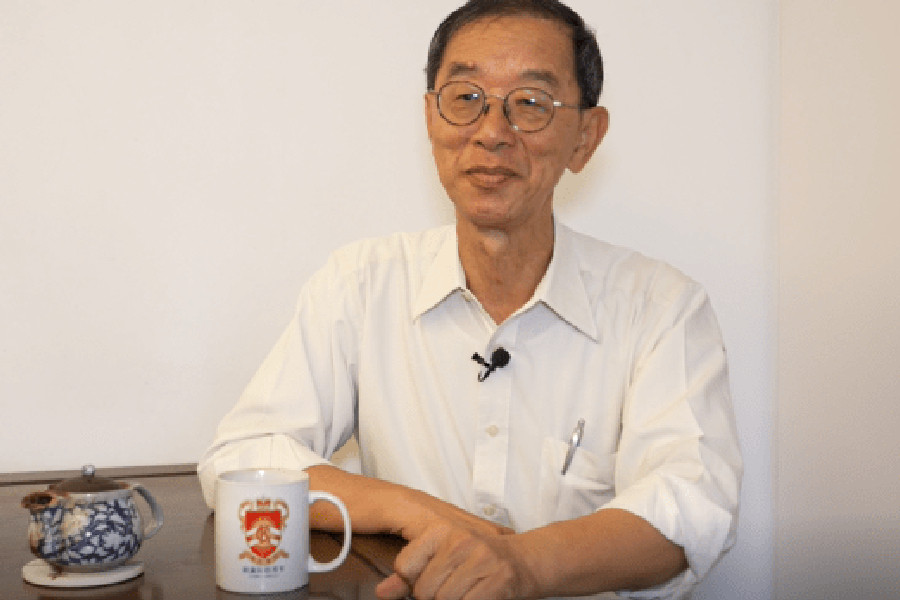
Amjad Refai is the director of the Arabic Programme at the University of Hong Kong