Read More





The Death of Late Night? What Colbert’s Final Bow on May 21 Means for TV
18-05-2026 21:09 HKT


ImmD crackdown targets moonlighting domestic helpers arresting 17
19-05-2026 17:52 HKT


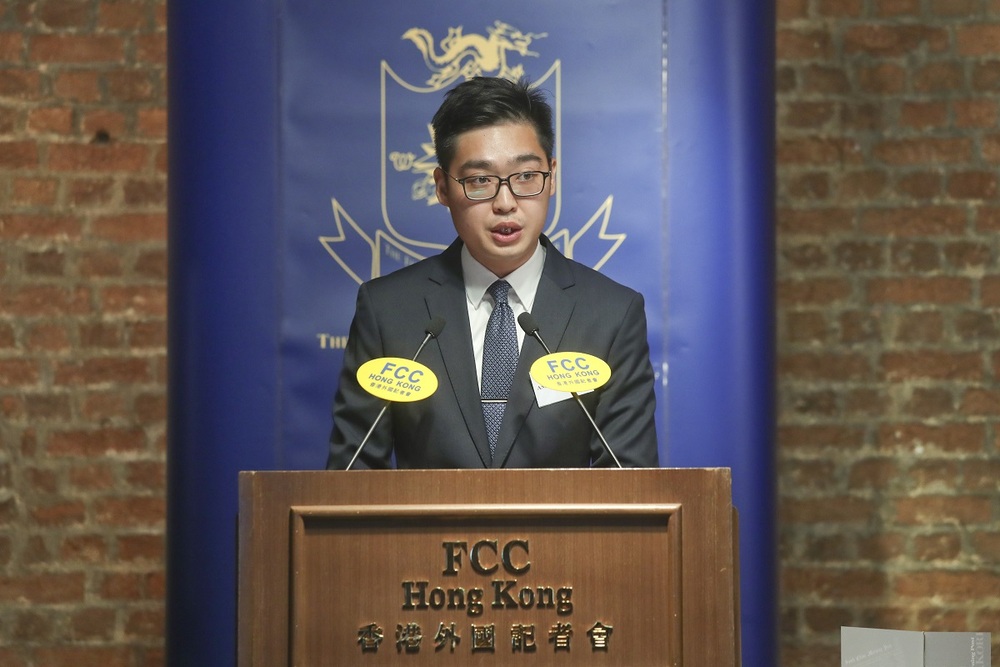
The Foreign Correspondents Club, or simply the FCC as it is known to many taxi drivers, has a long history and a reputation for fine journalism. So it was with pleasure, together with a little trepidation, that I agreed to speak at a recent FCC lunch.
As you would expect, the open-minded journalists who are the backbone of the FCC believe in untrammeled free speech. Freedom to write and speak and the freedom to report the facts as they see them are attributes hard-wired into the DNA of all journalists. I say this with the experience of having been a journalist myself - I reported from inside China during the last years of the Cultural Revolution - before I followed up my career as a barrister.
The FCC, though, has a problem because its landlord is the Hong Kong government. It was the then British governor Murray Maclehose who arranged for the homeless FCC to occupy the old Dairy Farm building in Ice House Street. No doubt in half-seriousness he said: "Maybe the journalists will write more favorably about the government if we are their landlord."
Even in those days the colonial government was constantly criticized by Hong Kong's free press.
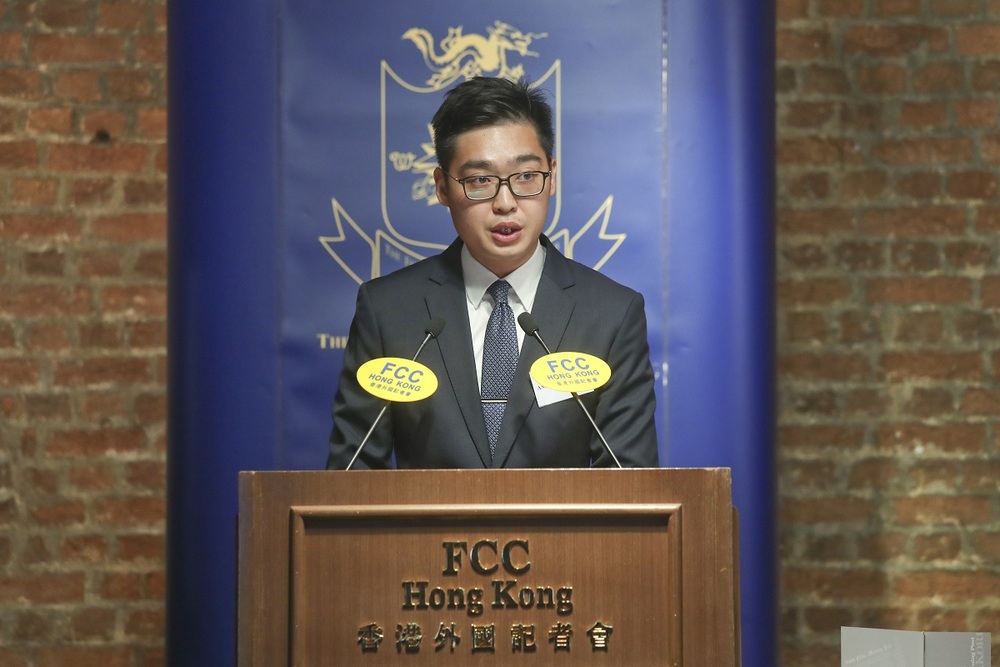
In 2018 the FCC crossed a red line when it invited a youthful politician from the National Party, Andy Chan Ho-tin, to speak at a club lunch. Former chief executive C Y Leung was furious, as was no doubt the central government in Beijing. He demanded the FCC be evicted from its premises.
The subsequent fracas brought that simmering problem to the surface: to what extent can the club use rented premises to incur the wrath of the government - a government that in an earlier incarnation had provided the premises as an act of helpful generosity?
The clock is ticking and the end of the FCC's lease looms on the horizon. Indeed there are just 15 months to go, to January 2023, until the lease ends. Will the government, I ask myself, renew the lease or will its bad memory of the FCC's invitation to the National Party back in 2018 dominate its decision?
Like all its members (I am one too) I ardently hope the FCC will survive. The club occupies a pivotal site in Central and takes good care of an important heritage building that dates back to 1890. It was the work of architects firm Danby & Leigh who, in subsequent incarnations, were also responsible for Saint Andrew's church, the Helena May club, the Mandarin Oriental hotel and even Ocean Park.
The FCC is part of the soul of Central. It occupies nearly 18,000 square feet and pays an incredibly modest rent of HK$32 for each square foot. In fact, this rental was agreed in 2015 when Leung was chief executive.
The truth is that if in 2023 the government demands a market rent, the FCC will be forced into homelessness and likely disappear from the map. It would be a sad day.
Three years ago there were worries that the government might terminate the lease in retaliation for that National Party invitation. After all, the lease does allow such a termination if the premises "are not being used to the satisfaction" of the landlord with no need for compensation to be paid.
A new issue for the club is article 20 of the national security law, which prohibits secession and carries a maximum punishment of life imprisonment, and which presumably means that a repeat of what happened in 2018 is so unlikely as to be an impossibility.
Let's hope the FCC survives. It is still a place where all sectors of society from diplomats, businessmen, writers and even lawyers can meet. It will always have a role to play so long as the government allows it to do so.
Cheng Huan is an author and a senior counsel who practices in Hong Kong