Read More
Wallis WangAccording to the Domestic Health Accounts 2022/23 released by the Health Bureau yesterday, Hong Kong's total medical expenses accounted for 10 percent of the city's gross domestic product. This also represents a 14.5percentincrease from the previous year's HK$247 billion expenditure.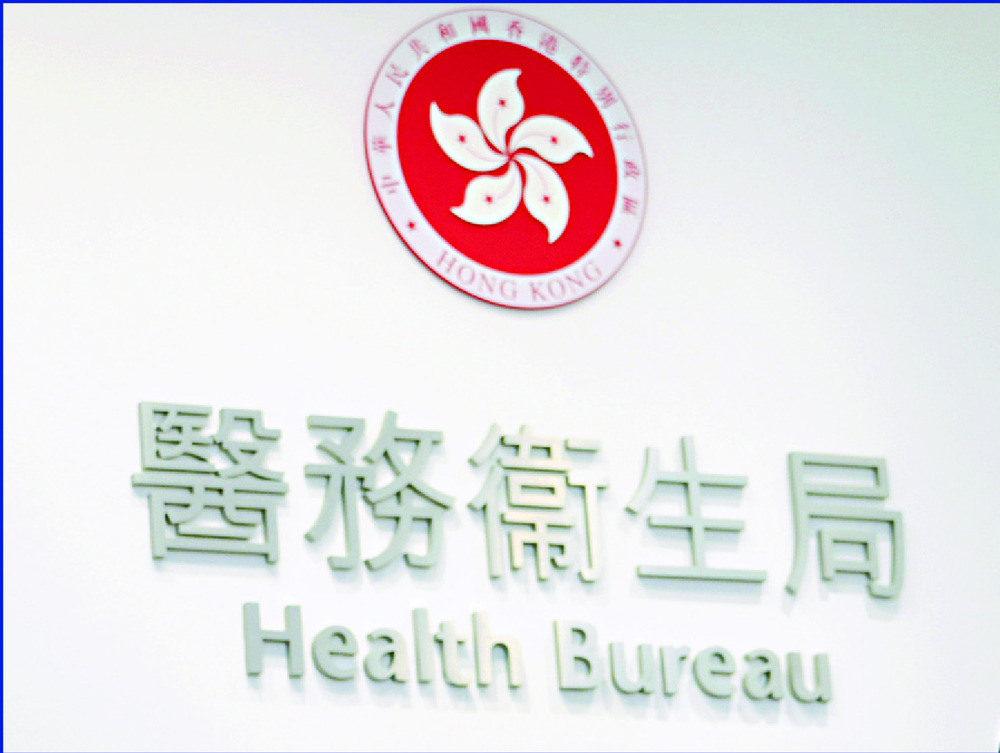
The average health expenditure per Hongkonger surged to HK$38,670 in 2022/23, as the city recorded a total health expenditure of HK$284 billion.
ADVERTISEMENT
SCROLL TO CONTINUE WITH CONTENT
The rise was driven by a doubling of Covid-related public expenditure to HK$43.7 billion in 2022/23 from HK$21.2 billion in the previous year.In contrast, private healthcare spending was not significantly impacted by the pandemic.
Over 60 percent of the total HK$284 billion expenditure was funded by public sources, amounting to HK$173.7 billion - around 20 percent higher than the previous year,the bureau revealed.The health expenditure per capita also rose by over HK$5,000 compared to 2021/22.
The data showed 58 percent of current health expenditure was paid via government schemes, while 27 percent was out-of-pocket payments by citizens.
There was also a notable increase in medical expenses paid by insurance companies, accounting for 15 percent of the total expenditure.In the public sector, the majority of expenditure was incurred at hospitals, which accounted for 56 percent of public current health expenditure. Residential care facilities also contributed over 10 percent of the public expenditure.
In the private sector, medical expenses were primarily spent at ambulatory healthcare centers, hospitals and medical goods retailers.Over 34 percent of the current health expenditure, or more than HK$89 billion, was spent on primary healthcare services, with 47 percent of these services funded by the public.
The Health Bureau said the data "enables policymakers, researchers and the public to assess the performance of the local health system and evaluate health policies."It also allows for comparisons with other economies that use the same framework, the bureau added.
The data also includes various government subsidies to healthcare programs in the Greater Bay Area.wallis.wang@singtaonewscorp.comSing Tao