Read More
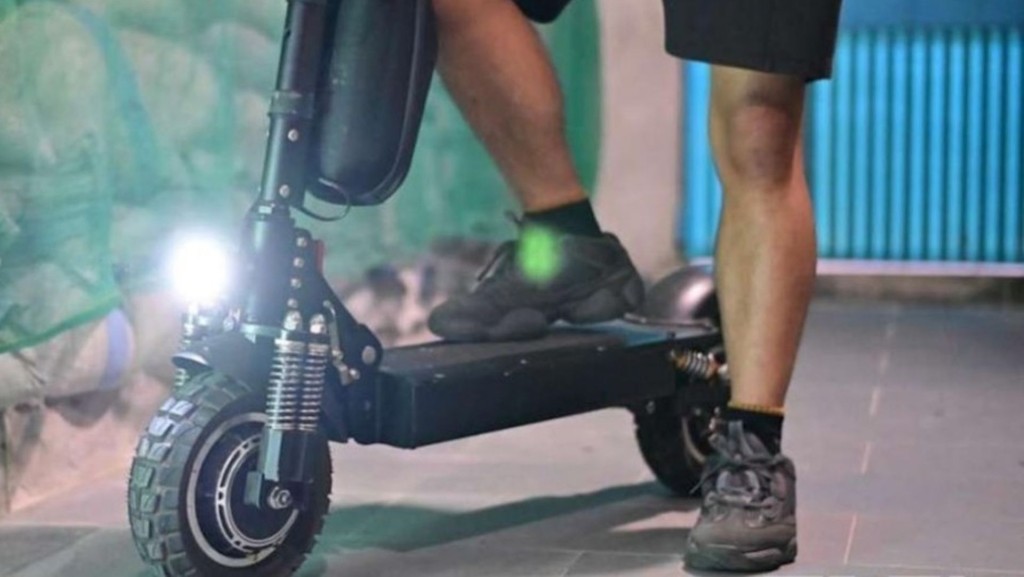
The government plans to introduce legislation this year to regulate electric mobility devices like e-bikes and e-scooters, including requiring certified products to bear a QR code label and users to be at least 16 years old and wear helmets.
ADVERTISEMENT
SCROLL TO CONTINUE WITH CONTENT
Secretary for Transport and Logistics Mable Chan made the announcement in the Legislative Council on Wednesday in response to a query. She said the aim is to allow safe use in designated areas, such as suitable cycle tracks, as a green travel option for short first-or-last-mile journeys, especially in new development areas.

Secretary for Transport and Logistics Mable Chan
Under current law, using such devices on footpaths and cycle tracks is illegal. Police data shows arrests rose from 647 in 2024 to 760 in 2025. Traffic accidents involving these devices increased from 3 to 8, and fire incidents from 12 to 17, mainly due to electrical faults.
Chan said the regulatory framework's core is a product certification mechanism. The Transport Department is working with the Hong Kong Productivity Council on details. Certified products will carry a QR code label for identification.
Battery safety is a key focus, particularly fire risks from lithium-ion batteries. Standards from the mainland and internationally will be referenced, requiring products to pass tests for overcharge, short circuit, overheating and impact resistance. The government is also exploring including less flammable semi-solid and solid-state batteries in the scheme.
Besides the age and helmet rules, users will only be permitted to use certified devices. The government will work with police and the Road Safety Council to enhance public education and issue a code of practice.
Lawmaker Kazaf Tam Chun-kwok raised concerns about recent accidents involving short circuits during charging and asked about interim measures. Chan said departments have been instructed to study imposing stricter temporary regulations using existing laws or administrative means while preparing the new legislation, referencing mainland cities' practices on product certification and fire safety.