Read More
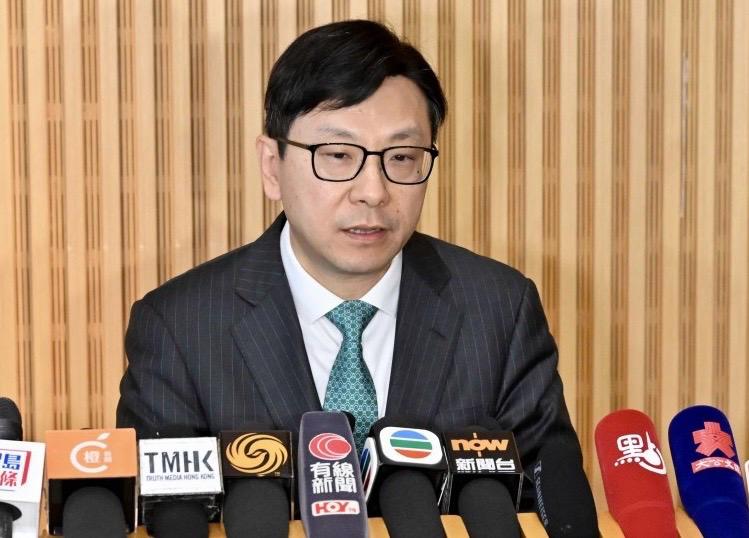
An intelligent accident detection system will be installed in 300 high-risk households, with completion targeted by the third quarter or earlier, Secretary for Labour and Welfare Chris Sun Yuk-han said.
ADVERTISEMENT
SCROLL TO CONTINUE WITH CONTENT
The system, proposed in the 2025 Policy Address, is designed to identify dangerous situations involving high-risk elderly people and enhance timely assistance.
In a written reply to a legislator, Sun said preparatory work is underway. Specific arrangements are expected to be announced as early as the first quarter, followed by trial installations for relevant residents.
Sun noted that the government and the Social Welfare Department are currently promoting two pilot schemes.
One scheme, implemented in collaboration with the Housing Authority, provides community support for high-risk groups who are not receiving social welfare services. Using coordinated data, authorities identify high-risk families—such as elderly people living alone, elderly couples, or carers of elderly or persons with disabilities—and deploy care teams to conduct home visits and offer support.
The scheme has been expanded from Kwun Tong and Sha Tin to all 18 districts. As of December 2025, care teams had contacted more than 27,000 high-risk families, provided over 1,800 welfare service referrals, and assisted in applications for emergency alarm systems.
The second pilot scheme is the Carer Support Data Platform, launched in July 2025, which offers emergency support when caregivers are hospitalized.
The platform integrates data from the Social Welfare Department, the Hospital Authority, and the Housing Department. When a caregiver’s hospitalization is reported through the system, staff proactively contact the family to arrange emergency assistance such as respite care or meal delivery.
Sun said that as of last December, the Social Welfare Department had contacted more than 3,600 caregiver cases through the platform. Three cases required emergency support, while the others were provided with contact information for follow-up.
The government plans to systematize the database and gradually expand its coverage to include high-risk families living in Hong Kong Housing Society rental public housing and so-called “three-nil buildings” — buildings without owners’ corporations, resident organizations, or property management companies.