Read More
The Hong Kong government stresses that saving lives through seat belt use remains the core goal, even as it removes certain mandatory wording from the new law and focuses on education rather than strict enforcement.
ADVERTISEMENT
SCROLL TO CONTINUE WITH CONTENT
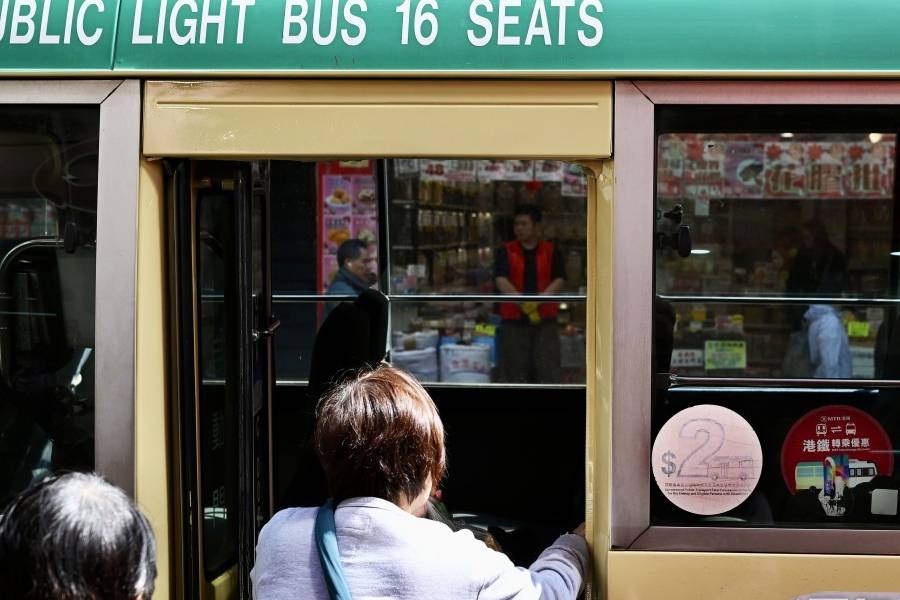
The government recently introduced new seat belt rules extending the requirement from taxis and minibuses to franchised buses and other commercial passenger vehicles. The aim was to better protect passengers.
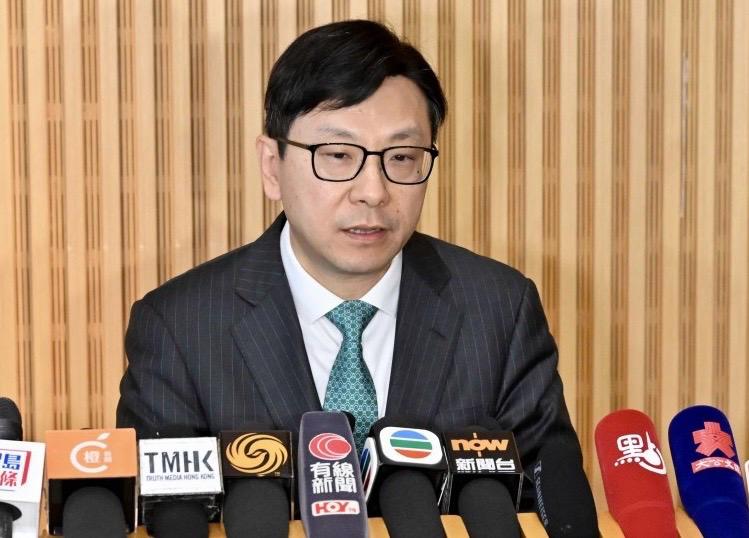
Last Friday, Secretary for Transport and Logistics Mable Chan announced that some parts of the legislation did not fully reflect the original intent.
The government will delete those provisions, review the rules, and consult the Legislative Council again after refinement.
Chan emphasized that the policy’s purpose is to provide stronger passenger protection. She said the government values public views and will continue to promote voluntary seat belt use through education and publicity.
Seat belt debates are not new in Hong Kong. Past serious bus accidents, including those involving schoolchildren and franchised buses, caused heavy casualties. International studies show wearing a seat belt can reduce death risk by about 40 percent and serious injury risk by nearly 70 percent in head-on crashes or rollovers.
In 2021, a non-franchised bus carrying schoolchildren overturned on Tai Chung Kiu Road. All children on board escaped with only minor injuries because they were wearing seat belts. This incident clearly demonstrated the protective value.
Many places like the UK and Australia already require seat belts on public transport.
Hong Kong’s change followed the 2018 fatal Tai Po bus crash and recommendations from the Independent Review Committee on Hong Kong’s Franchised Bus Service.
The committee suggested adding seat belts, especially on upper-deck seats of buses running long routes with few stops on expressways.
One committee member, HKUST Chair Professor of Civil and Environmental Engineering Lo Hong-kam, said the group believed people would naturally use seat belts once installed.
He noted that mandatory wearing is considered the most effective way to achieve widespread use, though enforcement details were not finalized.
Hong Kong’s geography—hilly, winding roads, steep slopes, sharp bends, dense population and heavy traffic—increases bus rollover and accident risks. Multiple severe bus crashes in the past underline the need for better protection.
The government views seat belts, speed limiters, and other safety features as a complete package to improve bus stability and reduce serious outcomes.
By quickly addressing public concerns and adjusting the law, the government shows willingness to improve the policy.
Authorities, bus operators, and passengers all share responsibility to raise safety awareness and reduce the chance of heavy casualties in future accidents.