Read More
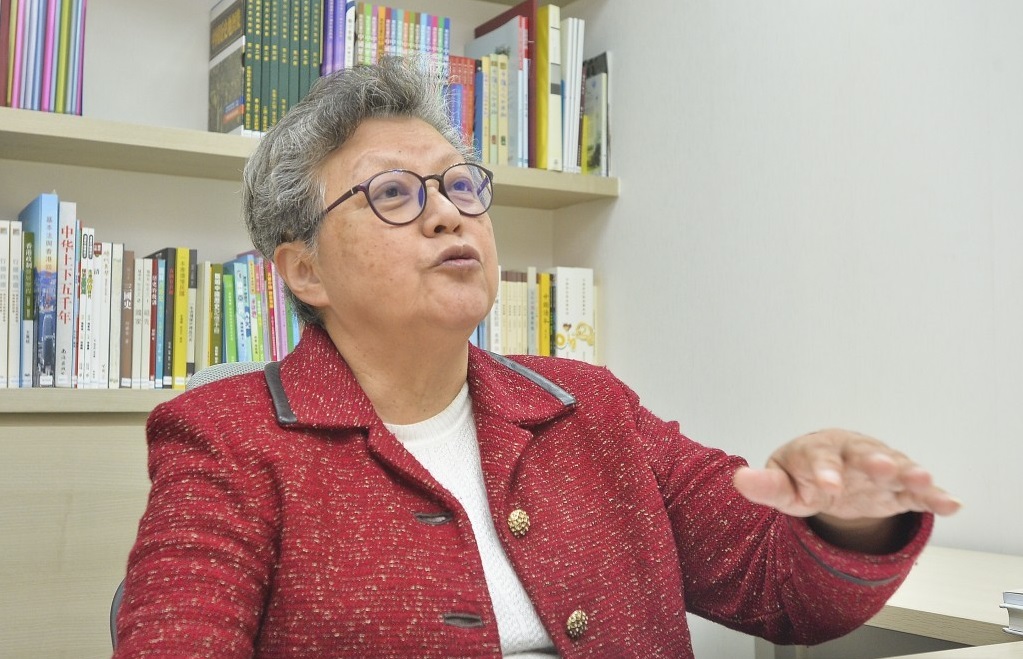
Lawmakers should place greater emphasis on scrutinizing legislation and balance different views to ensure laws reflect their original intent and remain workable in practice, said Rita Fan Hsu Lai-tai, former Legislative Council president and former Standing Committee member of the National People’s Congress.
ADVERTISEMENT
SCROLL TO CONTINUE WITH CONTENT
Writing in a newspaper column on Tuesday, the former LegCo chief said legislators should fully perform their role in the Legislative Council by fulfilling three key functions, including giving serious attention to the examination of bills through detailed, clause-by-clause vetting in Bills Committees.
She said that during the vetting process, lawmakers must carefully consider opinions from all sides to reach solutions that are acceptable and feasible, while balancing different interests so that provisions align with the purpose for which the law was originally introduced.
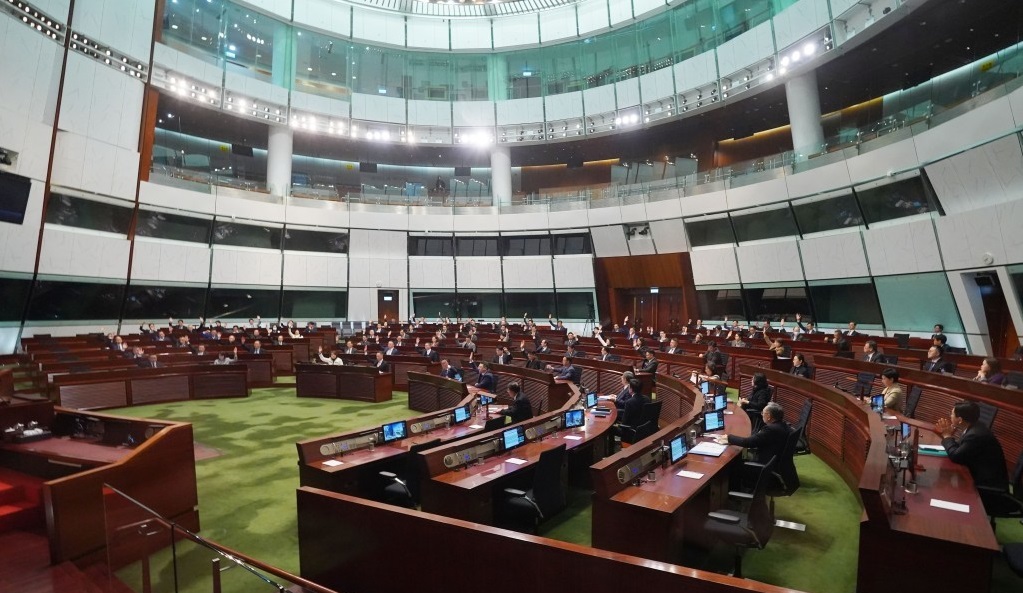
Fan said Legislative Council work should be regarded as lawmakers’ “primary duty.”
She cited earlier remarks by Xia Baolong, director of the Hong Kong and Macao Affairs Office of the State Council, who said Hong Kong practices an executive-led system and set out five expectations for legislators.
Fan noted that from the period after Hong Kong’s return to the motherland until 2020, the relationship between the Legislative Council and the executive branch had often given the public the impression that checks outweighed cooperation.
She wrote that some “so-called democrats,” with support from external political forces and certain media outlets, frequently criticized government officials and the chief executive, while establishment lawmakers were also affected by this confrontational atmosphere.
She said that following the enactment of the Hong Kong National Security Law and the improvement of the electoral system, officials and lawmakers are now required to be patriotic and share common goals, leading to greater coordination. While mutual checks and balances remain, they are now conducted in a more rational and reasonable manner.
Fan said lawmakers should also act as a bridge between the government and the public by explaining government policies, draft legislation, and ordinances to citizens, collecting public views, reflecting them to the government, and relaying the authorities’ responses back to constituents.
Inside the legislature, she said members are required to scrutinize bills, prepare questions, draft motions and amendments, and take part in debates.
“To be a responsible lawmaker, this work must be placed first,” she wrote, reiterating that Legislative Council duties are legislators’ main occupation.
Fan added that lawmakers should make good use of both oral and written questions, as well as non-binding motion debates, to explain to the public the necessity and benefits of government policies.
Through the exchange of views and official responses, citizens can better understand the reasoning behind policies and the pros and cons of different options, which in turn helps build recognition and support, said Fan.
She said legislators can then share this information within their constituencies, sectors, and groups in more engaging ways, while continuing to gather feedback to help the government better understand public sentiment.
Fan emphasized that scrutiny of legislation, though time-consuming and often low-profile, is one of the legislature’s most important responsibilities.
“One law affects thousands of households,” she wrote, adding that Hong Kong’s rule of law is built on fair and workable legislation, and the Legislative Council is one of the cornerstones safeguarding that foundation.
She expressed hope that a legislature composed of patriots would pool collective wisdom, avoid excessive individualism, and work in step with the executive branch to help Hong Kong move from stability to prosperity and restore its status as the “Pearl of the Orient.”