





Read More




UK denies BN(O) visas to Hongkongers with protest convictions: report
23-09-2026 18:59 HKT
Hong Kong relaxes eligibility for HZMB Seamless e-Channel service
24-09-2026 20:01 HKT


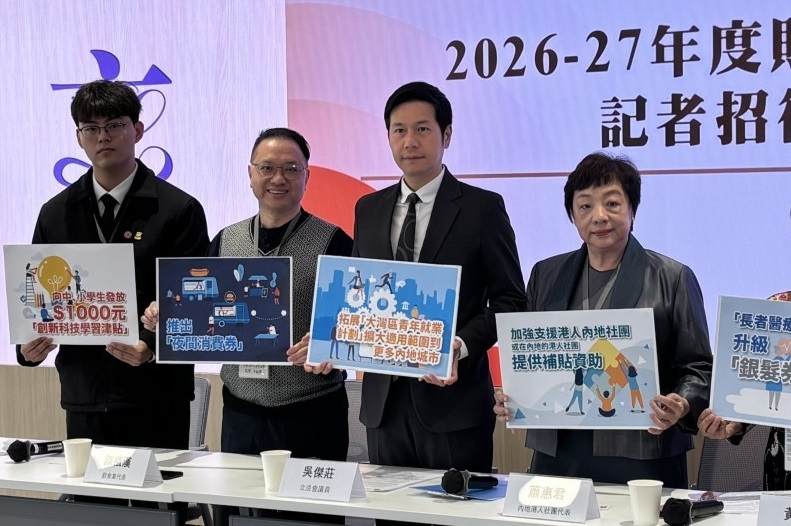
Lawmaker Johnny Ng Kit-chong has put forward a series of proposals ahead of the government’s Budget to be delivered on February 25, including issuing nighttime electronic consumption vouchers to boost the night economy and expanding the Elderly Health Care Voucher Scheme into broader “silver vouchers” that could be used for activities such as travel.
Speaking at a press conference Monday, Ng said the upcoming Budget should focus on “making the pie bigger” by actively exploring new economic growth drivers, while at the same time providing more targeted support to different segments of society so that the fruits of development can be shared more fairly.
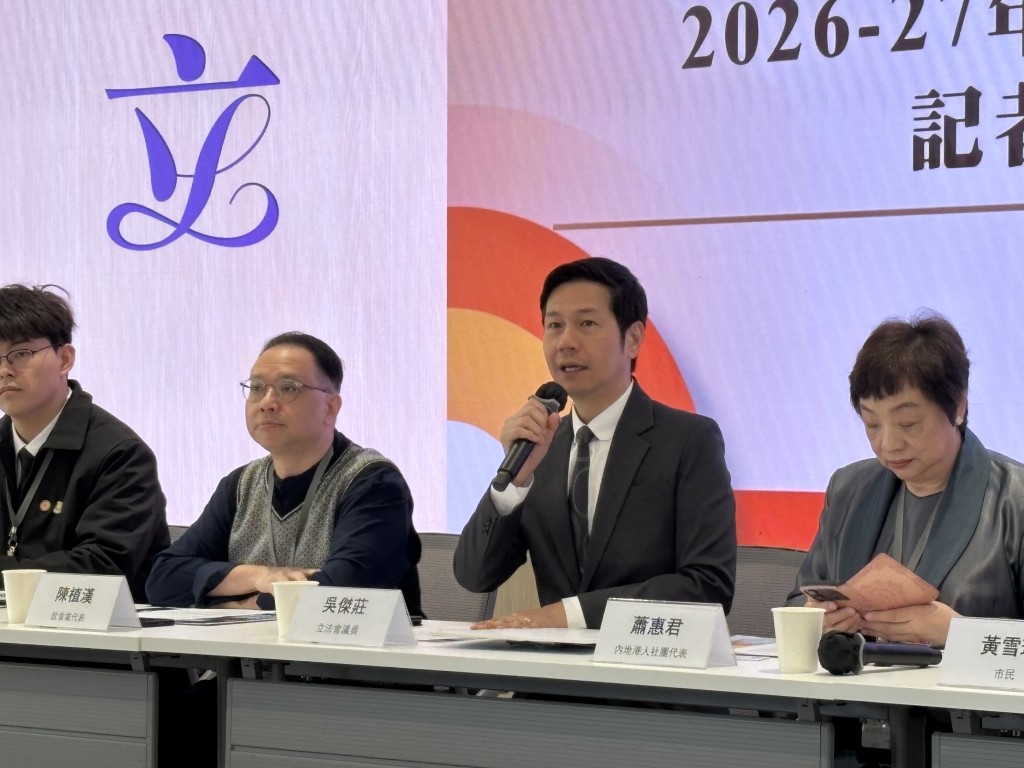
Ng cautioned that public finances must still be handled prudently despite signs of improvement in the government’s fiscal position. He noted that Hong Kong had faced fiscal deficits in recent years, while major projects such as the Northern Metropolis would continue to require substantial investment and government borrowing in the years ahead.
Against this backdrop, he said the government should not lightly resort to cash handouts.
Among his key proposals is the introduction of nighttime electronic consumption vouchers, which would be restricted to use after 9pm to directly stimulate evening spending and support sectors such as catering, bars, and cinemas.
Ng said the scheme could encourage residents to go out and spend at night, helping shops extend their operating hours. Even visitors without vouchers could benefit from a livelier night scene, he added, as increased foot traffic would support longer opening hours and higher revenues, allowing businesses to cover additional staffing costs.
However, he said details such as the subsidy level and total fiscal commitment would need to be calculated by government departments.
The proposal has found support within the catering industry. Industry representative Louis Chan said Hong Kong’s nighttime economy has become noticeably quieter since the pandemic, with few restaurants operating after 9pm.
He suggested that any nighttime vouchers should be redeemable only after that hour at licensed local restaurants, excluding takeaway platforms and online transactions, to ensure spending flows directly to physical eateries.
Chan estimated that about 17,500 restaurants could benefit from the scheme, potentially creating between 17,500 and 26,250 nighttime jobs and contributing an estimated 0.4 to 0.6 percent growth to Hong Kong’s gross domestic product.
Meanwhile, Ng proposed expanding the existing Elderly Health Care Voucher Scheme into a more comprehensive “silver voucher” program. He said many grassroots seniors remain active and mobile, yet the current scheme focuses mainly on medical treatment rather than broader well-being.
The lawmaker argued that the ultimate goal of healthcare is to promote health rather than only treat illness, and that improving seniors’ mental well-being could help strengthen physical resilience and reduce disease risks. He therefore suggested allowing vouchers to be used for activities such as short trips, giving seniors more opportunities to enjoy life.
Echoing the idea, grassroots elderly representative Wong Suet-chu said that while the existing medical vouchers have helped seniors manage their health, converting the scheme into “silver vouchers” usable for travel and other activities could better enhance seniors’ quality of life.
Meanwhile, to better support Hong Kong residents living on the mainland, Ng proposed strengthening assistance for mainland-based Hong Kong community organizations through direct subsidies, enabling them to play a greater role in supporting national development strategies.
The lawmaker also suggested providing an “innovation and technology learning allowance” for primary and secondary students to encourage learning and application of digital technology and artificial intelligence.