From an Italian chocolatier to a mainland tech innovator, companies are leveraging Hong Kong’s unique position as a testing ground and strategic gateway to launch successful international expansions.
Venchi: a sweet fusion from a Hong Kong jewelry shop corner to Asia
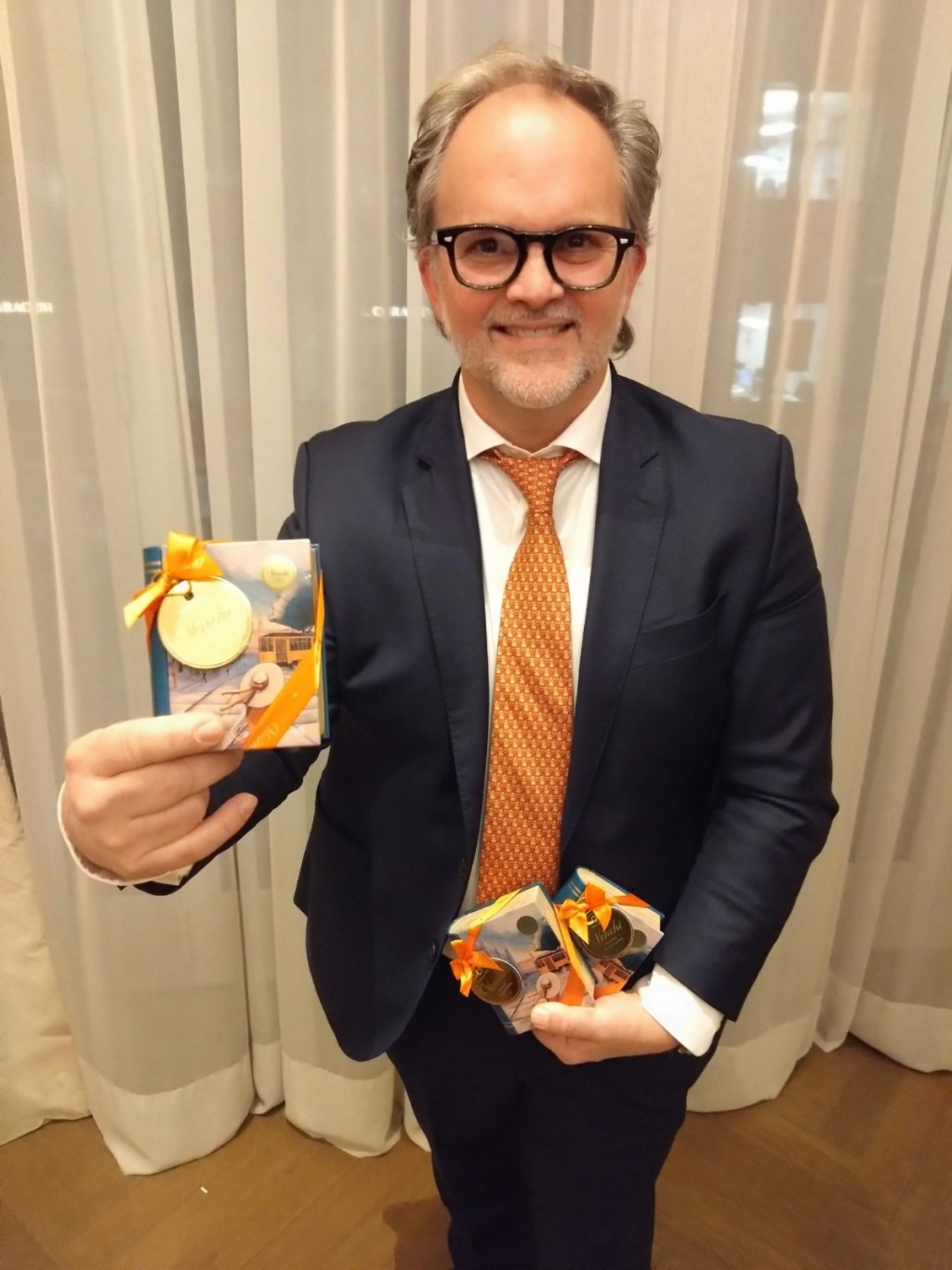
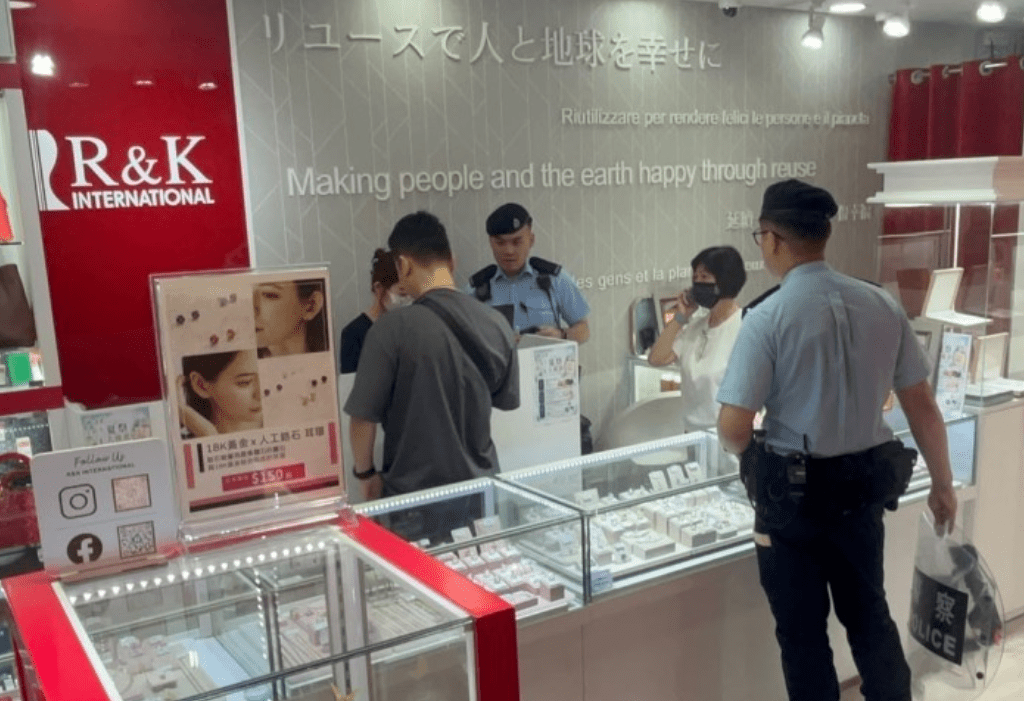
For the Italian chocolate maker Venchi, its Asian empire began not with a flagship store, but with a corner in a Hong Kong jewelry shop owned by a couple in 1999.
“When people came and didn’t have enough money to get a diamond, they could get a chocolate,” recounted brand ambassador Giovanni Battista Mantelli.
But Venchi took control of the retail business and started its Asian expansion from Hong Kong since 2006.
Giovanni Battista Mantelli
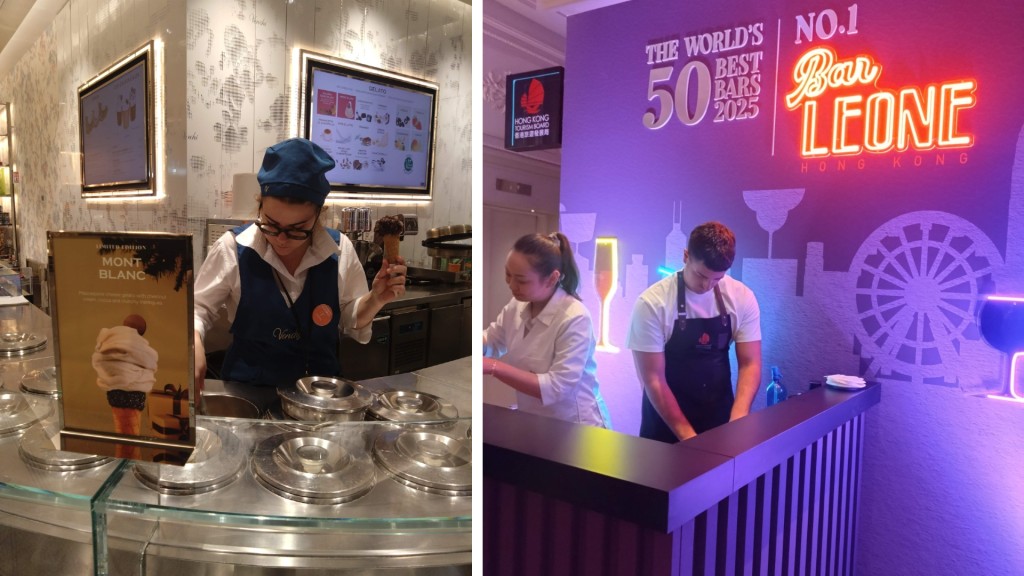
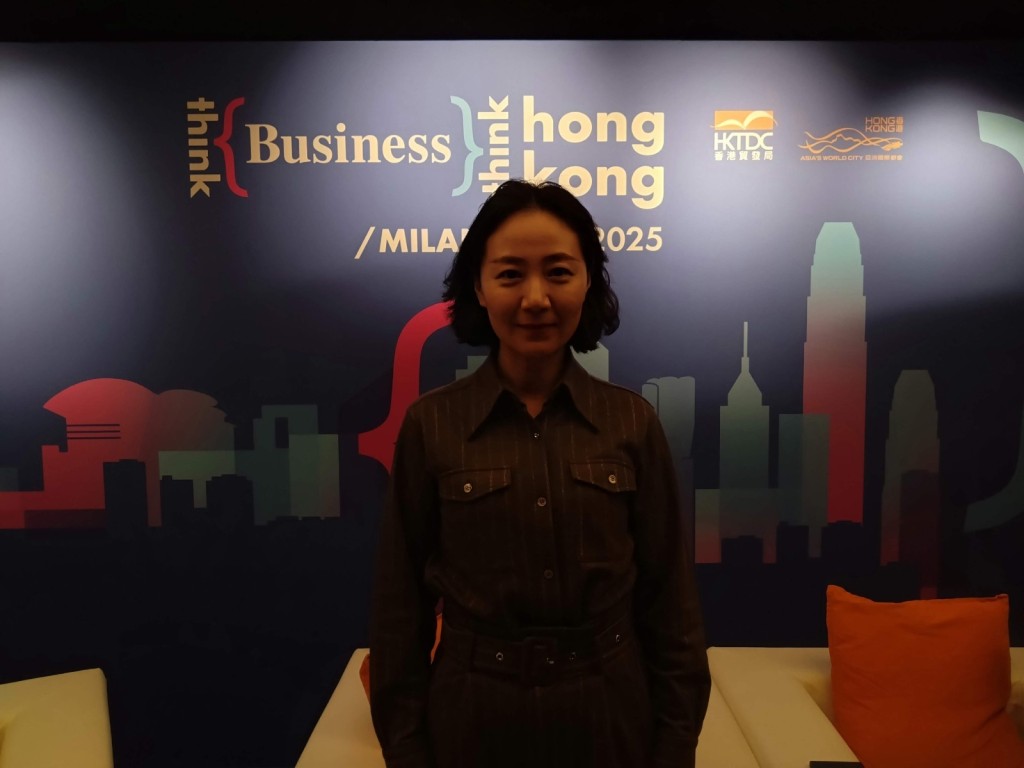
The city became Venchi’s “living laboratory.” Hong Kong’s openness to culinary experimentation allowed the company to innovate boldly, creating unique pairings such as its signature chocolate caviar on top of dim sum and pork belly. This fusion extends to its gelato, described as the “summer version of its chocolate,”where authentic Italian ingredients like Piedmontese hazelnuts and Bronte pistachios meet local flavors like egg tart, sesame paste, and milk tea, which was served at the “Think Business, Think Hong Kong” event dinner. When Venchi first went to China in Chengdu, fresh milk for making gelato was unavailable back then and was imported from Hong Kong.
In China, Mantelli said Venchi experimented with ginger milk, spicy “mala” seasoning, olive oil, and “kung pao” bean curd. It also experimented with matcha and plum wine in Japan.
Despite global challenges like soaring cocoa prices, Mantelli insists on maintaining premium quality. “Maybe I don’t give you one kilo bar chocolate of Venezuela, but I give you five grams,” he explained. “And you have the coin to collect and to taste. So it’s affordable price.”
This strategy of cultural fusion and accessible luxury, honed in Hong Kong, has since propelled Venchi to over 100 stores across Asia.
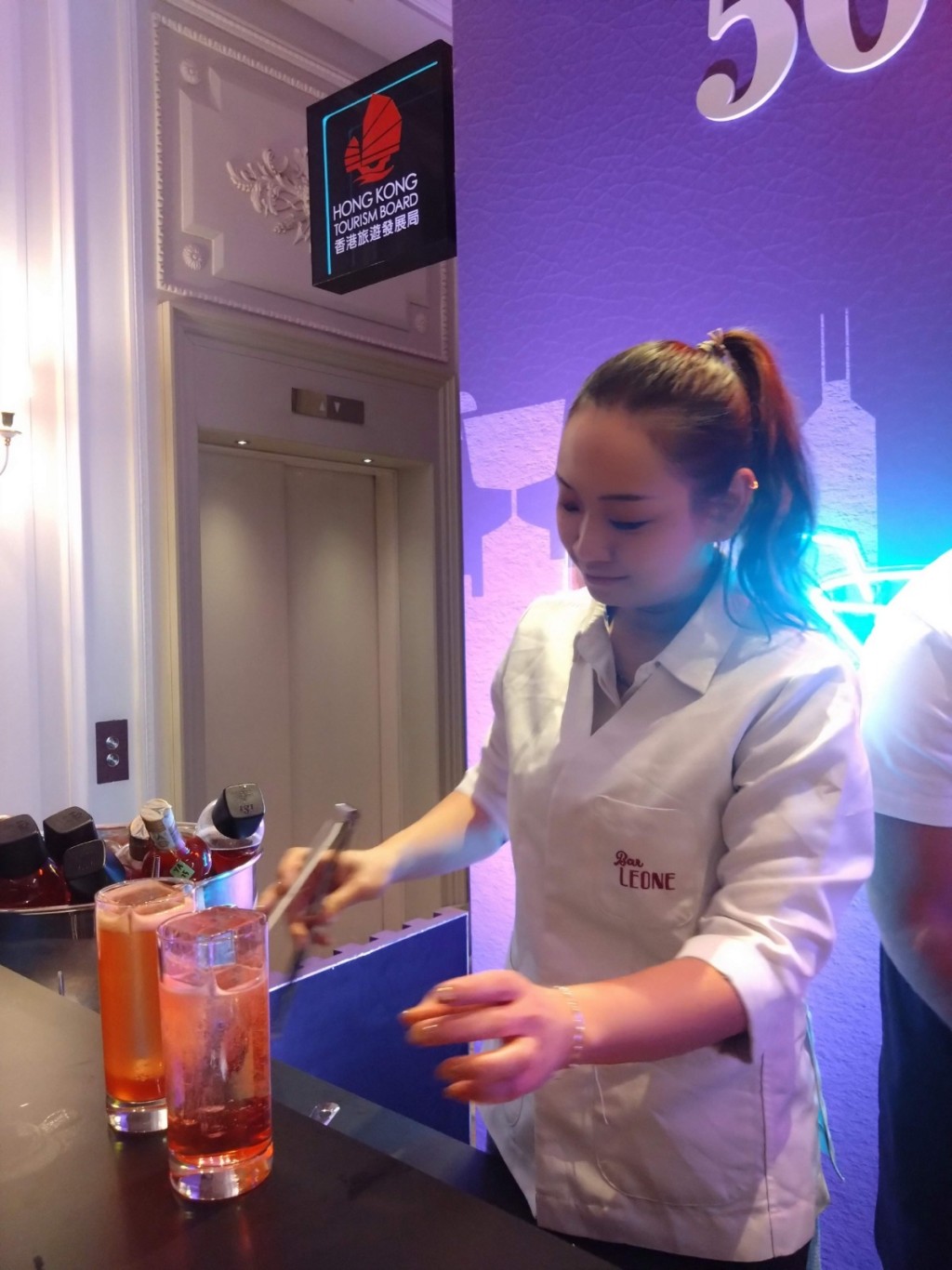
Likewise, world number one drinks establishment Bar Leone was inspired by the convivial drinking culture of Rome.
One of the co-founders is Italian bartender Lorenzo Antinori. Specially-designed cocktails were brought to the dinner event.
Monx: a Hong Kong professional services provider founded by an Italian
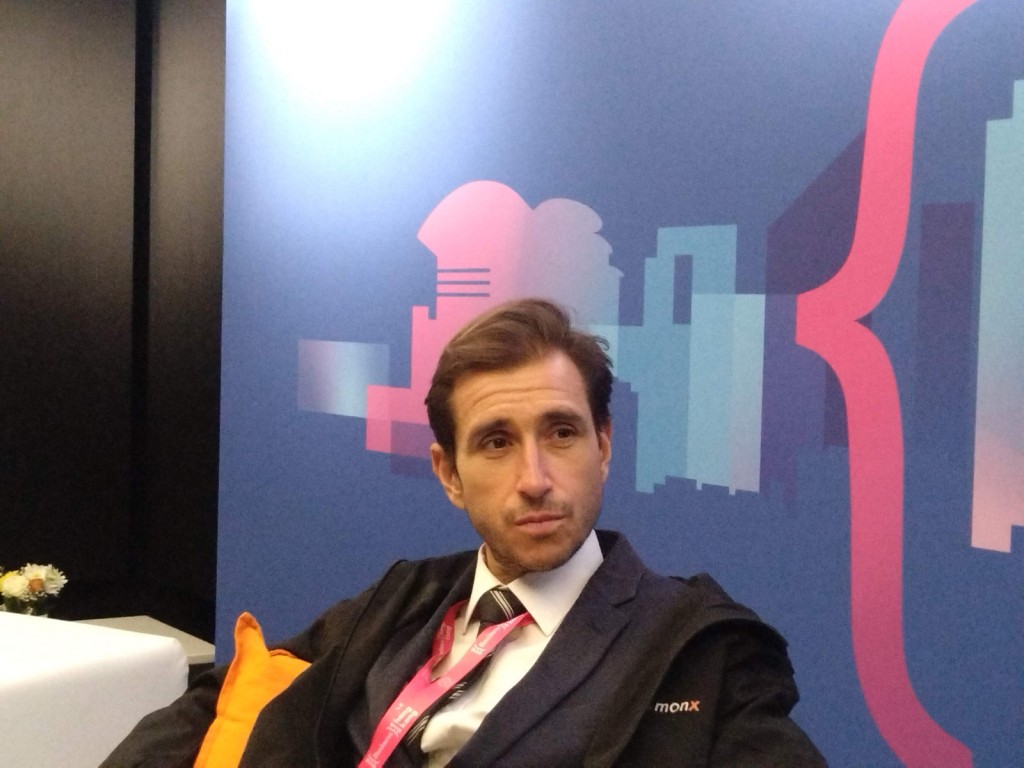
For Stefano Passarello, founder of professional services firm Monx, the decision to base his company in Hong Kong – as often asked about in comparison to Singapore and Dubai – was a calculated one. “The Greater Bay Area will be bigger than Silicon Valley. Hong Kong is just one step away from Shenzhen,” he said, highlighting the unparalleled access to mainland China’s innovation engine.
Passarello said Hong Kong offers a more straightforward visa process than Singapore and a more cost-effective talent pool than mainland China. “It’s difficult to get a visa in Singapore … It’s not a matter if you have money or not. If they have many bankers, you won’t be able to get a visa even if you are a banker.”
He revealed that he prefers the organic crypto development in Hong Kong to the aggressive growth in Dubai.
Stefano Passarello
As for costs, he said: “I need to pay 35,000 yuan (HK$38,508) a month in Beijing and Shanghai for an English-speaking accountant, plus 40 percent social security. In Hong Kong, I pay HK$50,000 plus only 5 percent MPF.”
While he notes the city’s pollution as a drawback, the business benefits – from low tax to incentive programs – have enabled Monx to support thousands of international clients through its global office network and its headquarters in Hong Kong.
Westwell: building a global reputation from a Hong Kong hub
For Shanghai-based Westwell, which automates ports and airports worldwide, Hong Kong is more than a market; it is a vital partner for global validation. Since establishing its international headquarters and an R&D center at the Hong Kong Science Park last year, the city has become the proving ground for its autonomous vehicle technology. “Hong Kong is our bridge to the world,” said Kay Yang, chief executive of Westwell’s international headquarters. “As a private Chinese tech company, our product had to be first-class. Hong Kong provided the stage to prove it.”
Kay Yang
She emphasized that conducting technical verification in Hong Kong’s high-stakes environment provides an internationally recognized stamp of approval.
This credibility has been crucial for overcoming global skepticism. Yang argues that success comes from superior cost-efficiency, not low prices – a claim proven by their success at the UK’s Port of Felixstowe, where their autonomous “Q-Trucks” now outperform manual operations. From its Hong Kong base, Westwell has diversified from seaports into the city’s airport, handling air cargo and developing complex multimodal transport systems.
These stories underscore how Hong Kong’s unique ecosystem of market access, international standards, and strategic connectivity provides the essential ingredients for businesses to build a trusted, global reputation.