





Read More



Morning Recap - September 15, 2026
5 hours ago








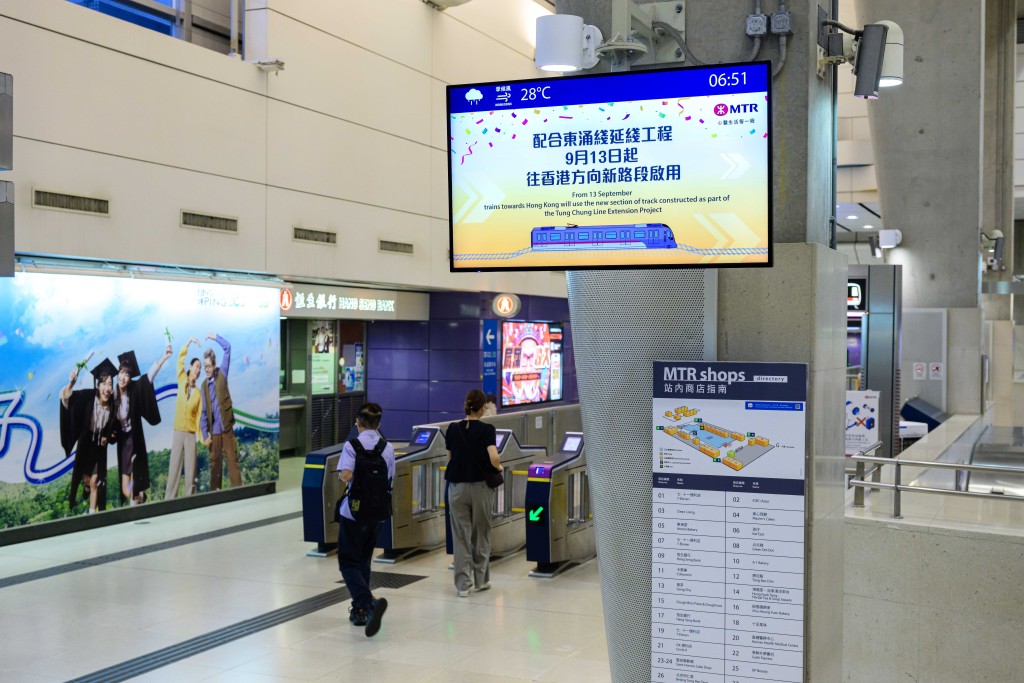
MTR opens new Tung Chung Line Extension track section with smooth service
13-09-2026 12:59 HKT


In a drive towards carbon neutrality, Hong Kong Baptist University (HKBU) has developed a new interactive map that identifies leading neighborhoods in solar energy and efficiency across Hong Kong and other Asian-European cities.
The project, titled “Asian-European Cities Online Energy Map”, is an interactive tool designed to visualize, track, and monitor energy-saving hotspots.
Addressing the gap in open data between solar deployment and community energy consumption, the project combines the “City Energy Map” and the “City Solar Map” to improve data-sharing practices and amplify social impact by promoting solar energy and energy-saving initiatives.
Using real-time electricity data from selected communities, the City Energy Map reveals untapped potential for energy conservation.
With a clear overview of urban energy patterns, the map helps researchers, policymakers, and the public identify trends, share best practices, and target areas for improving efficiency and adopting low-carbon solutions.
In addition to the actual amounts from energy-saving, participants highlighted the added values in terms of education, environmental, social and financial values.
A key upcoming feature, the City Solar Map, will establish a multi-sector consortium to develop an open-access, big-data-driven platform for solar energy monitoring.
The tool will visualize solar PV performance and carbon reduction benefits while incorporating first-hand solar owner stories to raise public awareness and encourage adoption.
The development of this open, shareable data platform has presented several challenges, including uncertainties surrounding Application Programming Interfaces (APIs), data completeness, standardization of solar data, mismatches in data, and the sharing of inverter accounts.
In the next phase, the team outlined plans to expand data-sharing partnerships across more Asian and European cities and integrate AI and smart analytics for solar and energy efficiency tracking.
The team will also encourage community-led innovation and participation in renewable projects, along with enhanced collaboration with government and industry bodies to improve open-access data governance.
Looking ahead, the team reaffirmed the goal to continue building a transparent, collaborative, and carbon-neutral energy ecosystem for future generations.