Read More



Night Recap - July 19, 2026
9 hours ago



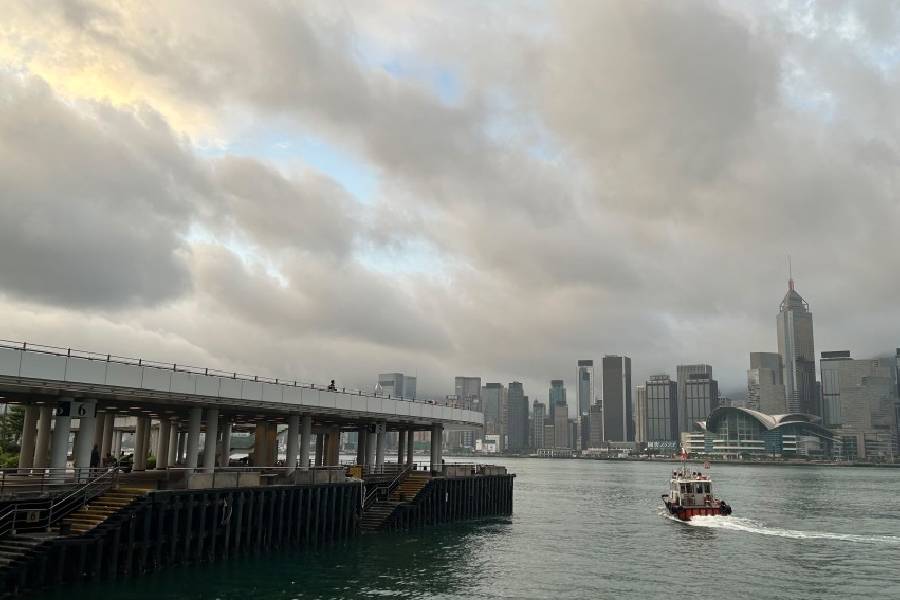
HK braces for heavy rain ahead of mid-week heat and potential storm
18-07-2026 14:30 HKT


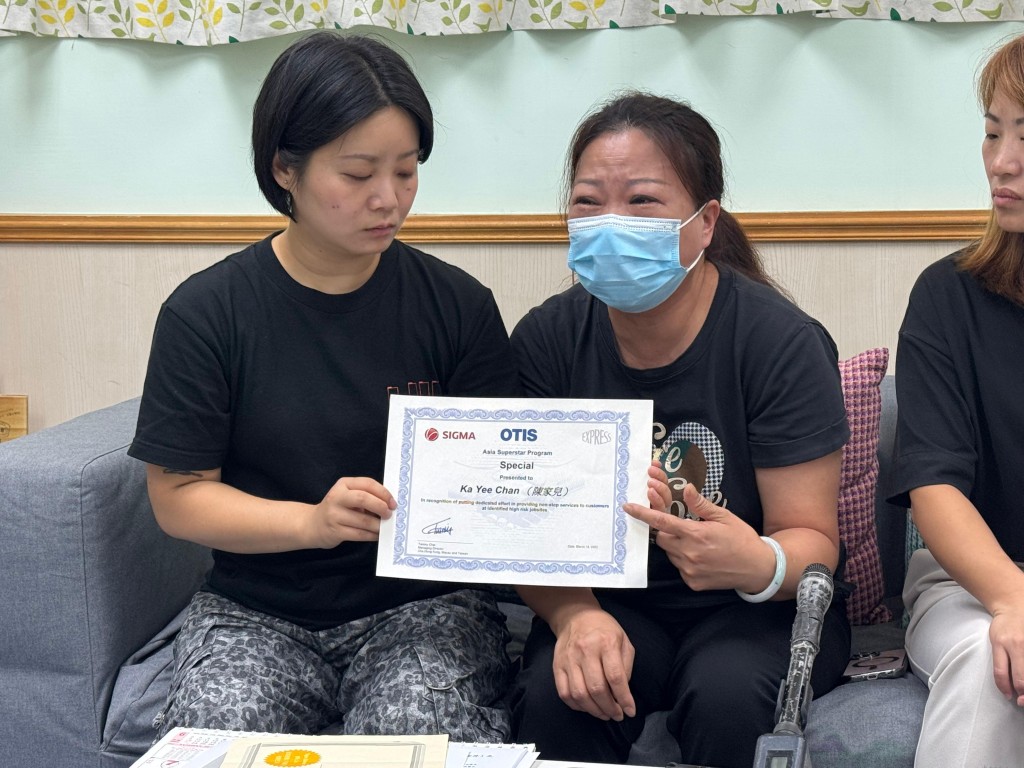
Hong Kong's elevator maintenance industry is in crisis, with severe understaffing and extreme overtime pushing workers to physical breaking point.
The city's 4,000 registered technicians are responsible for maintaining over 80,000 elevators—an impossible workload that sees each worker handling 6-8 elevators daily while being on constant call for emergency repairs.
This relentless schedule routinely forces technicians to work more than 300 hours per month, nearly double Hong Kong's median working hours of 170.
The tragic case of 59-year-old Chan, a veteran technician with 40 years of experience, exposes the deadly consequences of this broken system.
Last July, Chan collapsed and died from ischemic heart disease after working 59 consecutive hours. His autopsy report and work records tell a grim story—in his final six months, he averaged 352 hours per month, far exceeding the 256-hour threshold that Taiwan's occupational health guidelines classify as dangerous overwork.
Chan's widow now struggles to support their two university-aged children on her meager cleaning salary.
She recounts how her husband's HK$17,000 base salary forced him into constant overtime just to cover tuition and basic living costs. "He was treated as a machine, not a human being," she says through tears, recalling how his company offered no condolences, refused funeral expenses, and contested the family's compensation claim.
Hong Kong's outdated labor laws provide no protection in such cases.
The Employees' Compensation Ordinance only covers injuries from specific workplace accidents, leaving "death by overwork" in legal limbo.
While countries like Japan and Taiwan recognize overwork-related deaths (known as karoshi) and provide compensation, Hong Kong families must fight lengthy court battles with little hope of success.
Safety protocols are being ignored as companies cut corners. Official guidelines require two technicians for high-risk operations like rescuing trapped passengers, yet understaffing means workers often toil alone.
Chan was performing a solo emergency call when he collapsed. "If someone had been with him, he might have survived," his widow says, clutching security camera footage of his final moments.
The Association for the Rights of Industrial Accident Victims warns that this is no isolated case.
Their research shows the industry's systemic reliance on extreme overtime, with companies keeping base salaries artificially low to force workers into accepting dangerous hours.
Veteran technicians report monthly shifts exceeding 350 hours becoming routine, with nighttime emergency calls destroying any semblance of work-life balance.
As Hong Kong's aging elevator infrastructure requires more maintenance, advocates demand urgent reforms: proper staffing ratios, overtime regulations, and legal recognition of overwork deaths. "We need to stop treating workers as disposable machines," says one labor organizer.
For Chan's family, change comes too late—they now face a grueling legal battle while grieving a husband and father who literally worked himself to death.