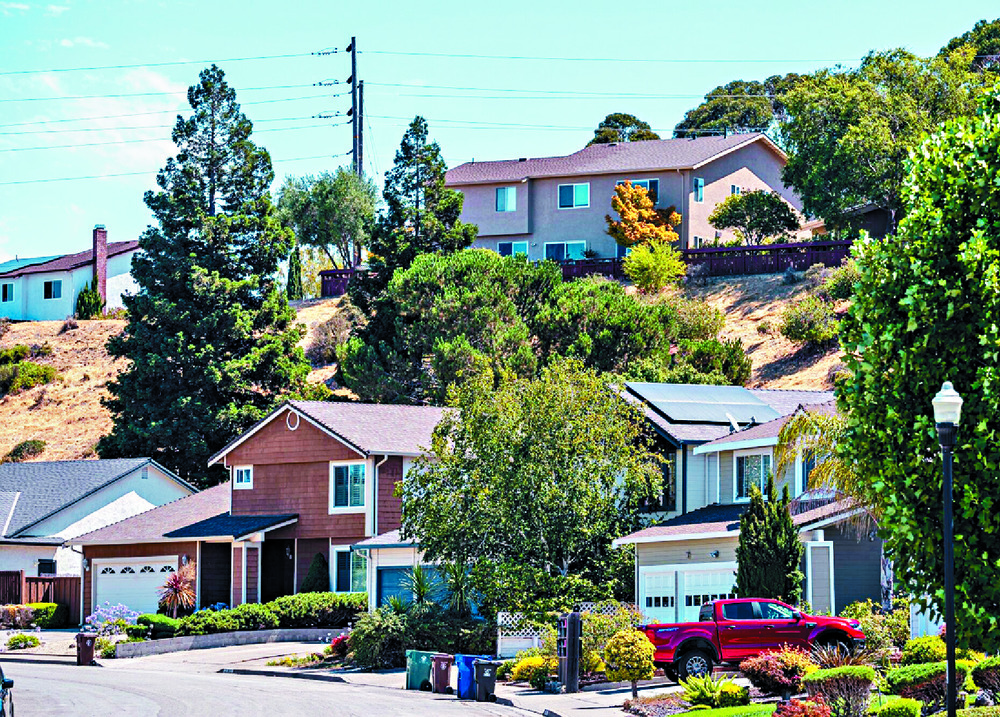
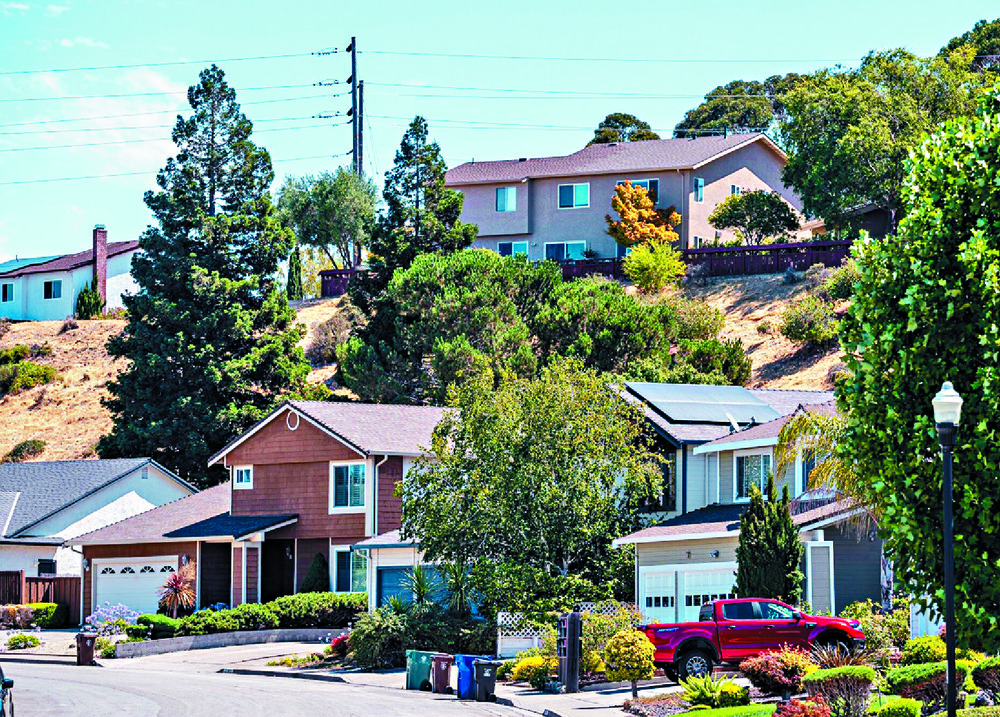
The cost of owning a home in the United States has surged 26 percent since 2020, as expenses such as taxes, insurance and utilities, all soared amid inflation.
The average annual outlay for owning and maintaining a typical single-family home - not including mortgage payments - amounted to US$18,118 (HK$141,320) in March, personal finance website Bankrate found.
That's US$1,510 a month, US$300 more than in 2020, when Covid lockdowns began.
The calculation is based on Redfin's March median sales price of US$436,291.
"It was really eye-opening," said Bankrate's Jeff Ostrowski. "Until you own a house, it doesn't dawn on you how much money you're throwing into the house every month and year."
Bankrate factored in taxes, insurance, energy costs, internet and cable bills, and 2 percent of the sales price for maintenance - expenses many buyers tend to underestimate.
Maintenance accounted for the largest share of ownership costs, so states where purchase prices rose dramatically during the pandemic saw bigger jumps in overall outlays. Property levies were the second-largest piece of the equation in high-tax states such as New Jersey and Connecticut. In others, energy bills came in second.
The past four years of inflation dealt the biggest blow to homeowners in Utah, where expenses surged 44 percent. Idaho was next at 39 percent, followed by Hawaii at 38 percent.
Alaska and Texas saw the smallest increases, 14 percent. Annual tallies varied widely, from US$11,559 in Kentucky to US$29,015 in Hawaii, with a typical single-family home price of US$993,000.
The totals in some cases may be overstated, especially for owners of new homes, but they're still helpful for buyers to keep in mind.
"It's certainly better to be over-prepared and have some extra money sitting in a high-yield savings account," Ostrowski said, "as opposed to under-prepared and scrambling."
Moreover, US home prices are expected to rise a bit faster this year than previously expected due to limited available supply, according to a Reuters poll of analysts, who saw affordable properties coming to market remaining below levels of demand in coming years.
An overwhelming 92 percent majority of analysts, or 22 of 24, said the pace of supply of affordable homes would fall short or far short of demand over the coming two to three years.
bloomberg and reuters