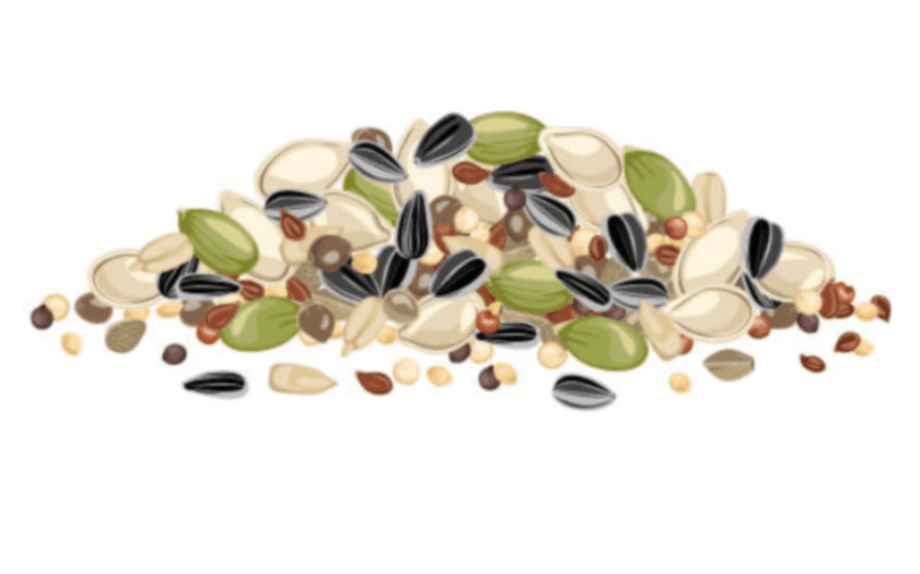
Chia seeds and flaxseeds have become popular "superfoods" in recent years, prized not only for their high fiber content but also for their healthy fats. However, they each have distinct advantages. Which one should you choose for constipation? How can you best absorb their Omega-3s? A dietitian compares their nutritional value and benefits, sharing the best ways to consume them.
Registered Hong Kong dietitian Jim Lau explains on his Facebook page the nutritional efficacy of chia seeds versus flaxseeds, addressing common questions about their consumption. For gut health, calcium, and Omega-3s, which one is better and how should you eat them?
1. Do Chia Seeds and Flaxseeds Have the Same Omega-3?
- Per 30g, flaxseeds contain 6000mg of ALA, while chia seeds contain 4900mg. Flaxseeds have 22pc more ALA, but its bioavailability is only 15-20pc.
- A study in the Journal of Food Chemistry suggests that chia seeds contain a specific fatty acid structure that may be more easily converted to DHA.
- Flaxseeds must be ground; whole flaxseeds have near-zero absorption.
2. Are Chia Seeds and Flaxseeds Equally Effective for Relieving Constipation?
- Chia seeds contain 5pc soluble fiber that forms a beta-glucan gel, absorbing water and expanding 12 times to promote bowel movements. They are recommended for acute constipation and should be consumed with plenty of water.
- Flaxseeds contain 40pc soluble fiber, primarily mucilage, which is better for soothing Irritable Bowel Syndrome (IBS). Therefore, flaxseed meal is recommended for those with chronic diarrhea.
3. Is More Expensive Always Better?
- Flaxseeds offer 50pc better value for money.
4. The King of Gut Health: Chia Seeds
- Key Component: 11g of dietary fiber per 30g, equivalent to about 4 apples.
- Golden Consumption Method: Soak 15g of chia seeds in 150ml of unsweetened almond milk for 30 minutes to form a gel that locks in moisture and aids bowel movements.
5. The Best Value for Omega-3: Flaxseeds
- Key Component: Provides 6000mg of ALA per 30g.
- To boost bioactivity, dry-fry flaxseeds in a pan over low heat for 3 minutes, which can increase lignan activity by 300%.
6. The Mineral Champion: Chia Seeds
- Per 30g, they contain 179mg of calcium, which is 6 times that of milk.
- Their phosphorus content is twice that of salmon, supporting cellular energy metabolism.
5 Types of People Who Should Be Cautious with Chia Seeds and Flaxseeds
Are chia seeds and flaxseeds suitable for everyone? Lau warns that the following 5 types of people should exercise caution:
- Individuals with low blood pressure: Regularly consuming chia seeds can lower systolic pressure by 6mmHg, so blood pressure needs monitoring.
- Those with a history of intestinal adhesions: The expanding gel of chia seeds could potentially cause intestinal obstruction. Flaxseed meal is recommended instead.
- Individuals with hormone-sensitive conditions: The lignans in flaxseeds may affect estrogen metabolism. Limit intake to 10g per day.
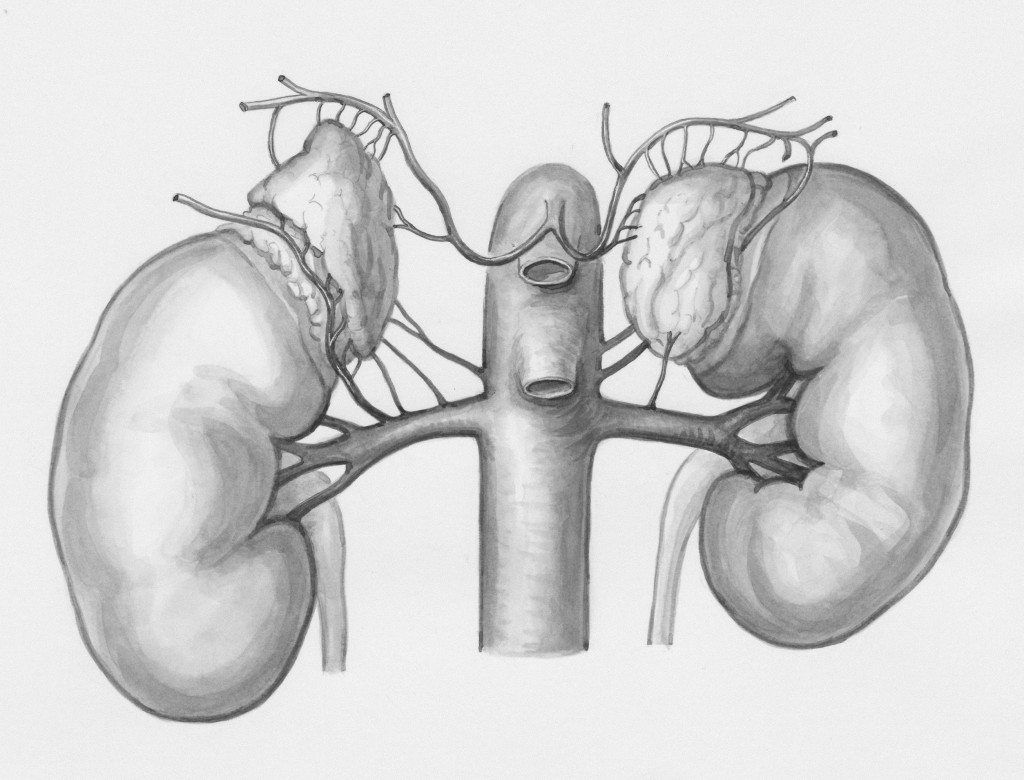
- Patients with kidney disease or high potassium levels: Both chia seeds and flaxseeds are not recommended.
- People taking anticoagulants (blood thinners): Chia and flaxseeds are too high in vitamin K and are not suitable for individuals taking blood-thinning medication.